

Many dog owners struggle with their dogs not listening to them no matter how many times they're told. Training is especially difficult with dogs that are perceived as "stubborn" or "independent." This article, themed "how to train a stubborn dog," provides seven easy-to-follow steps explained from a neutral perspective. It's a helpful resource for those who want to train their dog while respecting their personality, reducing stress, and making the process enjoyable.
Understanding So‑Called Stubborn Dogs
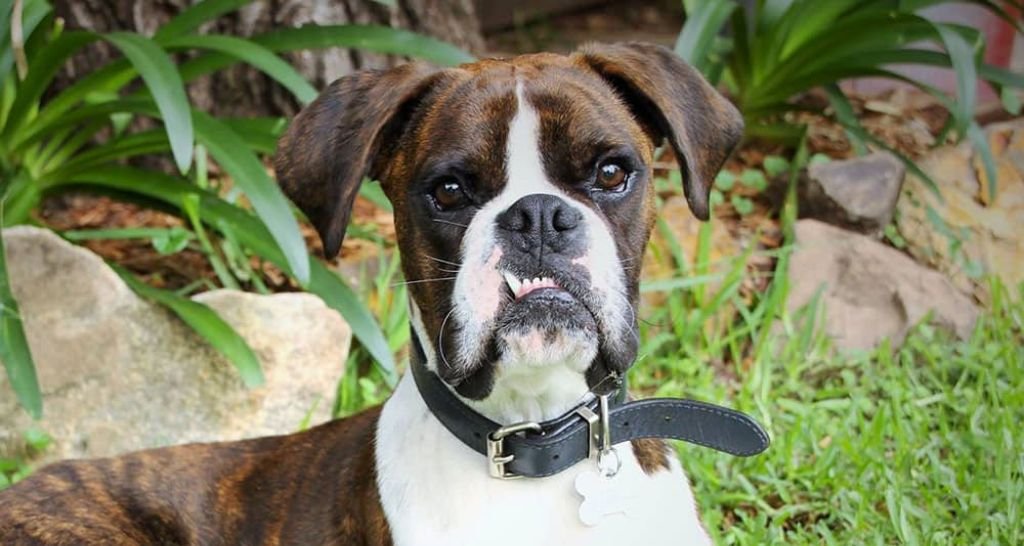
Many so‑called stubborn dogs are not deliberately disobedient. In most cases, a dog that ignores cues is confused, anxious, overexcited, or distracted. Dogs repeat behaviors that feel safe and rewarding, and avoid behaviors that feel scary or pointless.
Understanding how dogs learn changes the perspective: a dog labeled stubborn is often a smart problem‑solver who has learned that listening does not pay off, or that humans are unpredictable. When owners start using clear cues, consistent rewards, and a calm attitude, apparent stubbornness usually fades and cooperation increases.
Is Your Dog Really Stubborn or Just Confused?
Many owners label a dog as stubborn when the dog simply does not understand what is being asked. Dogs do not disobey out of spite; they repeat behaviors that feel safe or rewarding. If a cue has not been taught clearly, the dog is more confused than defiant. Before assuming stubbornness, check whether the cue was practiced in different places, rewarded often enough, and shown in small, easy steps.
A useful sign is consistency: if the dog “ignores” a cue in some situations but responds in calm, simple settings, the skill is not fully learned yet. In that case, returning to basic training and clearer communication usually improves behavior more effectively than scolding or punishment.
Common Reasons Dogs Resist Training
Dogs rarely resist training out of “spite.” In most cases, a dog that seems stubborn is struggling with one or more common obstacles:
- The cue was never clearly taught or has been taught inconsistently
- The reward is not motivating enough in the current situation
- The environment is too distracting or stressful
- The dog is tired, hungry, overexcited, or unwell
- Past punishment has made the dog anxious about responding
Understanding why a dog resists makes it much easier to adjust the training plan effectively.
Breeds, Personality, and Past Experiences
Breed tendencies, individual personality, and past experiences strongly influence how “stubborn” a dog seems. Some breeds, such as independent hunting or guardian breeds, were developed to make decisions on their own, so they may not respond instantly to every cue. Confident or easily distracted personalities can also appear resistant.
Past experiences are equally important. Dogs that experienced harsh punishment, inconsistent rules, or little socialisation may hesitate, shut down, or ignore people during training. Understanding a dog’s background and natural traits helps owners choose kinder methods, realistic expectations, and suitable rewards, which leads to smoother progress.
Preparing to Work With Your Dog

Before starting formal training, preparation helps a so‑called stubborn dog succeed. The key is to remove confusion and set the dog up to be right often. First, ensure basic needs like exercise, toileting, and mealtime are covered so the dog can focus. Next, choose simple rules for daily life and agree on them with all family members. Prepare high‑value rewards, a calm training area, and a short daily schedule. With a clear plan and relaxed environment, many “stubborn” reactions already begin to fade.
Set Clear Goals and House Rules
Clear goals and house rules make training a so‑called stubborn dog much easier. First, decide which behaviors are non‑negotiable: for example, no jumping on guests, walking without pulling, waiting at doors, or where the dog may sleep. Next, write simple rules that every family member can follow in the same way. Consistent rules prevent confusion, reduce unwanted behavior, and show the dog what brings attention and rewards in daily life.
Choose Rewards Your Dog Truly Loves
The more “stubborn” a dog seems, the more particular they may actually be about rewards. First, it is important to try different options such as treats, toys, praise, and physical affection, and observe which one your dog responds to best. Prioritize items that increase focus, such as soft treats that feel more “special” than everyday food, or toys for tug-of-war. Since smells and sounds can compete for your dog’s attention outdoors, using a reward that is more appealing than the environment can make learning easier.
Create a Low‑Distraction Training Space
A calm, simple environment helps so‑called stubborn dogs concentrate. Choose a quiet room away from doors, windows, and busy walkways. Turn off the TV and put phones on silent. Remove toys, food bowls, and other exciting items. Use a non‑slip surface so the dog feels secure when sitting or lying down. If needed, use baby gates or a leash to limit wandering. As the dog improves, distractions can be added little by little.
Step 1: Teach One Simple Skill at a Time
A “stubborn” dog usually struggles when asked to learn too much at once. Training is smoother when owners focus on one clear skill at a time, such as “sit,” “come,” or “stay.” Decide the priority behavior and practice only that during a session. Once the dog performs it reliably in quiet situations, gradually raise the difficulty. Concentrated practice prevents confusion, reduces frustration, and helps the dog understand exactly which action earns rewards.
Don’t Assume Your Dog Already Knows It
Many “stubborn” dogs have simply never been clearly taught what a cue means. Sitting sometimes for “sit” or coming only indoors when called can give the impression of understanding, but the behavior is not reliable. Owners often overestimate past training, especially with rescue dogs. For solid results, treat every cue as new: start at the easiest level, reward generously, and only expect reliability after many successful repetitions in different places.
How to Break Behaviors Into Tiny Pieces
Many “stubborn” behaviors become manageable when each skill is broken into tiny, easy steps. Instead of jumping straight to a perfect sit-stay at the door, first reward your dog for looking at you, then for starting to sit, then for placing the bottom on the floor, and finally for holding the position for one second. Gradually extend time, add distance, and only later add distractions. When the dog succeeds often, confidence grows and resistance usually fades.
Step 2: Use Calm, Consistent Cues
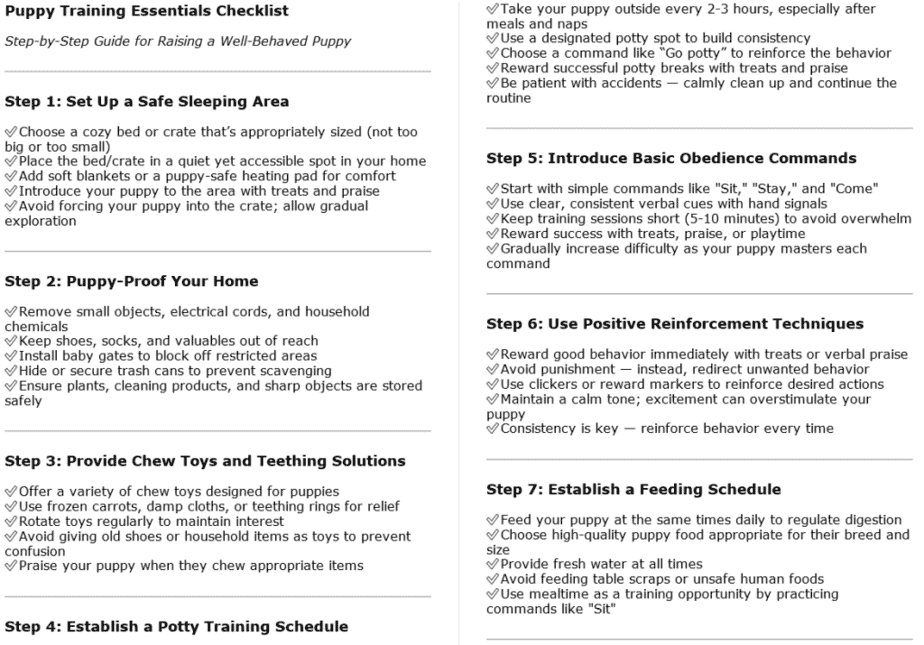
Calm, consistent cues help so‑called stubborn dogs understand what is expected. When wording, tone, and body language stay the same, the dog can link one clear signal to one clear behavior. Frequent changes in cues make dogs look uncooperative, not stubborn. Using a neutral, steady voice and relaxed posture also prevents arousal or anxiety, so the dog can focus and learn more quickly in every session.
Pick Words and Hand Signals and Stick to Them
For a so‑called stubborn dog, clear and consistent cues are essential. Choose one short word per behavior, such as “sit,” “down,” or “come,” and avoid using similar‑sounding alternatives. Pair each word with a simple hand signal, for example a raised palm for “stay.” Everyone in the household should use the same words and gestures every time, so the dog can build reliable associations and respond more quickly.
Avoid Common Mixed Signals From Humans
Many “stubborn” behaviors come from mixed messages from humans, not from the dog’s attitude. Common examples are calling a dog once, then repeating the cue many times; sometimes allowing jumping up but scolding guests for the same behavior; or saying “come” in a cheerful voice one day and in an angry tone the next. Dogs learn patterns. When rules, tone, or body language change, the dog cannot predict what earns rewards, so responding slowly or ignoring cues becomes safer from the dog’s point of view.
Step 3: Reward the Behavior You Want
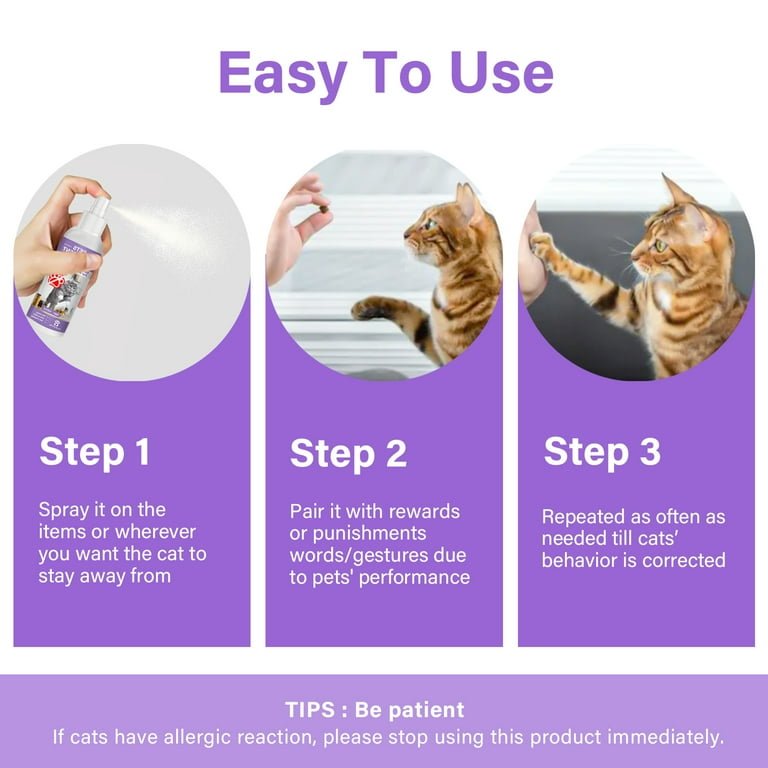
Reward‑based training means paying your dog for the exact behavior you want more of. Instead of focusing on mistakes, attention goes to moments of success: a sit, a pause before bolting, a glance toward the handler. The reward can be food, toys, or praise, but it must be something the dog values. By consistently pairing correct choices with good things, the dog learns that cooperating is worthwhile and begins to offer polite behavior more often, even in harder situations.
Positive Reinforcement for “Stubborn” Dogs
Many so‑called stubborn dogs respond far better when training focuses on rewarding what they do right instead of punishing mistakes. Positive reinforcement means immediately giving something the dog loves (food, toy, praise, access to a sniff) when the desired behavior happens. The dog then chooses to repeat that behavior because it predicts good outcomes. For resistant dogs, gentle guidance plus frequent, well‑timed rewards builds trust, motivation, and confidence, which greatly reduces “stubborn” behavior.
Timing Your Rewards for Fast Learning
Reward timing greatly influences how quickly a so‑called stubborn dog learns. The reward should arrive within 1–2 seconds of the desired behavior. Delayed rewards make it unclear which action earned the treat. For example, give the reward as the dog’s bottom hits the floor for “sit,” not after the dog stands again. Use a clicker or a short marker word such as “Yes!” to mark the exact moment, then follow with the treat right away.
Step 4: Keep Sessions Short and Fun
Short, enjoyable sessions help so‑called stubborn dogs stay motivated. Long, repetitive training often leads to boredom or frustration, which looks like resistance. Aim for success in small bites, then stop while the dog is still interested. Use games, play, and frequent rewards to keep energy positive. Ending on an easy win helps the dog look forward to the next lesson and learn more quickly over time.
How Long to Train Each Day
For so‑called stubborn dogs, short, frequent sessions are most effective. A good starting point is 3–5 minutes, 3–6 times per day. Puppies or easily frustrated dogs may need even shorter sessions, such as 1–2 minutes. End training while the dog is still engaged, not after focus is lost. On busy days, even a few 30‑second “mini sessions” before meals or walks can maintain progress without overwhelming the dog.
Signs Your Dog Is Frustrated or Tired
Dogs often look “stubborn” when they are actually frustrated or tired. Noticing early signs helps prevent meltdowns and setbacks in training.
| State | Common Signs |
|---|---|
| Frustrated | Barking at the handler, pawing, grabbing the leash, whining, jumping, mouthing |
| Tired | Slower responses, lying down, turning away, sniffing the ground, yawning |
Other warning signals include lip licking, avoiding eye contact, or suddenly losing interest in food. When several signs appear, end on a small success, reward, and give a break before continuing training.
Step 5: Add Distractions Gradually
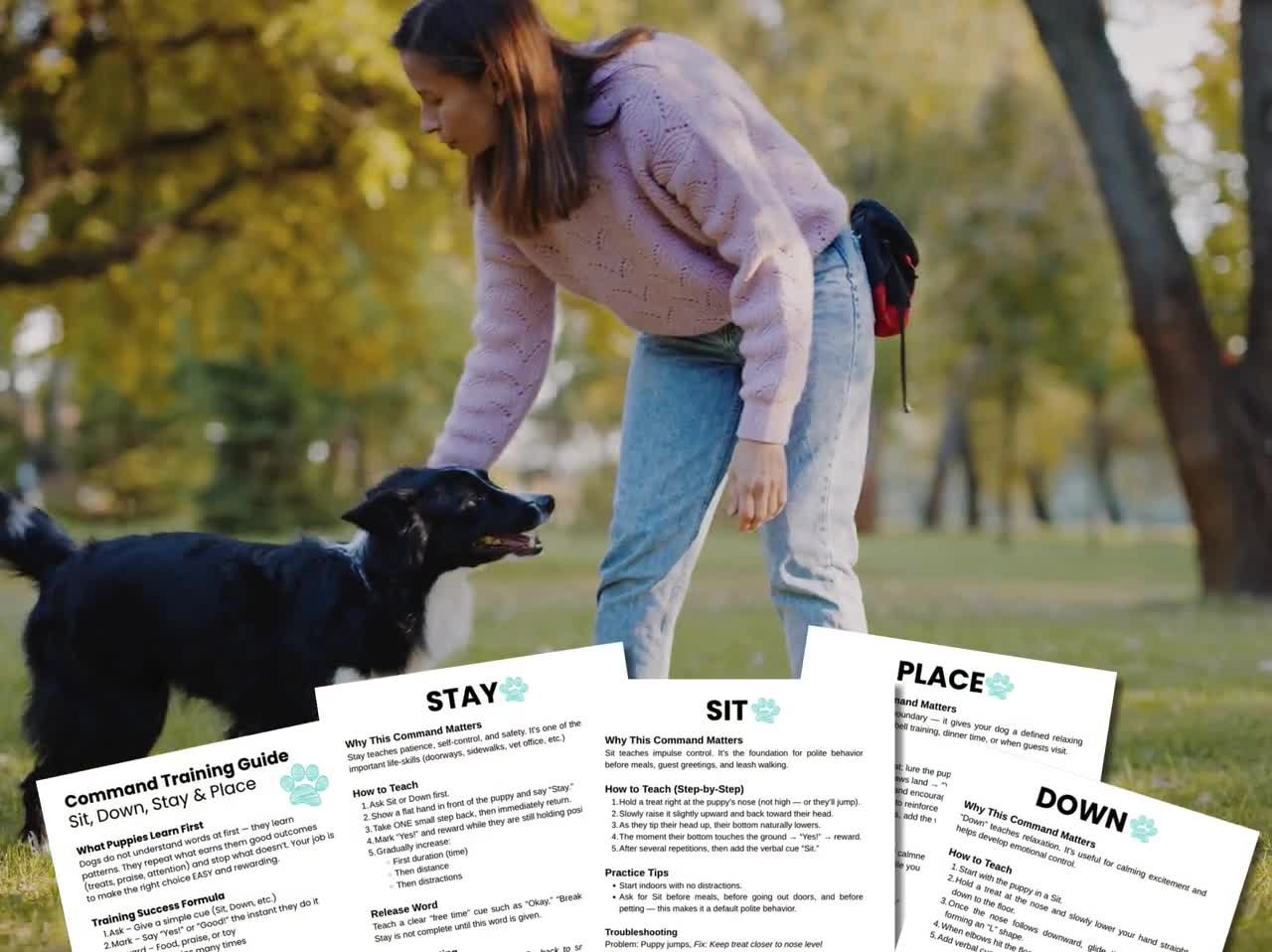
Gradual exposure to distractions helps so‑called stubborn dogs succeed instead of shut down. Start by asking for known cues in a quiet room. Once the dog responds reliably, add one mild distraction at a time: a toy on the floor, a family member walking past, or the TV at low volume.
Only increase difficulty when the dog is getting it right about 8 times out of 10. If the dog starts ignoring cues, go back to an easier level: move farther from the distraction, use a higher‑value reward, or shorten the task. Step‑by‑step progress builds confidence and prevents frustration for both dog and owner.
Why Dogs “Forget” Cues in New Places
Many owners feel a dog is stubborn when it suddenly stops responding in a park or on a walk. In reality, dogs do not generalise cues well. A cue learned in a quiet living room means “sit here, in this situation” to the dog, not “sit everywhere, anytime”. New places add powerful smells, people, and noises. The dog’s brain focuses on staying safe and exploring, so the familiar word becomes background noise unless training has been repeated in varied environments.
Practice in Real‑Life Situations Safely
Real‑life practice should be planned, brief, and safe. Start in a quiet outdoor area with your dog on a regular leash or long line so there is no risk of running into roads or strangers. Begin with cues your dog knows well, such as “sit” or “watch me,” then slowly move closer to mild distractions like parked cars or distant dogs. Reward frequently for checking in and responding. If your dog starts ignoring cues, increase distance, lower difficulty, and end on a small success.
Step 6: Build Focus With Mental Exercise
Mental exercise helps so‑called stubborn dogs focus, relax, and learn more quickly. Many dogs misbehave because they are bored, not defiant. By giving the brain a job, unwanted behaviors such as barking, chewing, or ignoring cues often decrease naturally.
Short problem‑solving tasks, nose‑work, and simple thinking games can be as tiring as a long walk. For best results, owners are advised to combine physical walks with daily mental challenges that match the dog’s age, health, and personality.
Games and Puzzles for Easily Bored Dogs
Easily bored dogs need brain work as much as physical exercise. Simple food‑puzzle toys, snuffle mats, and stuffed Kongs turn mealtime into a problem‑solving session. Nose‑work games such as “find the treat” or “find the toy” tap into natural sniffing instincts and build focus. Short shaping games—rewarding tiny steps toward a behavior—also keep sharp dogs engaged and less likely to act “stubborn” from frustration.
Training Tasks That Tire Out a Busy Mind
Mentally demanding tasks can tire a dog more effectively than a long walk. Short “brain workouts” help stubborn dogs relax and focus.
- Sniff-and-search drills: Scatter a few treats in one room and let the dog hunt. Gradually make hiding spots harder.
- Shaping games: Reward tiny steps toward a goal, such as touching a target with the nose or putting paws on a mat.
- Obedience circuits: Combine sit, down, stay, and come in quick succession for a few minutes.
End while the dog is still engaged so that training stays enjoyable.
Step 7: Stay Patient and Adjust the Plan
Training a so‑called stubborn dog is rarely a straight line. Progress often comes in small, uneven steps, so patience becomes part of the training plan. When a method is not working, it is helpful to adjust difficulty, rewards, or the environment rather than labeling the dog as defiant. Lowering the criteria, using higher‑value rewards, or shortening sessions can restart learning. By observing the dog’s responses and calmly tweaking the plan, owners support steady, long‑term improvement.
What to Do When Progress Stalls
Progress often stalls because the task is too hard, too fast, or too confusing for the dog. First, go back a step: reduce distractions, move closer to the dog, or ask for an easier version of the behavior. Increase the reward value temporarily to rebuild motivation. Next, check cue consistency among family members and use the same word and hand signal. Finally, track sessions in a simple log so small improvements are visible and adjustments become easier.
When to Get Help From a Professional
Professional help is recommended when safety, daily life, or progress are at risk. Consider a trainer or behaviorist if:
- Aggression, biting, or serious resource guarding appears
- Anxiety or fear causes nonstop barking, destruction, or elimination in the house
- No improvement despite several weeks of consistent training
- Family members feel stressed, scared, or out of ideas
Seek a force‑free, reward‑based trainer or veterinary behaviorist to avoid harsh methods and protect the dog’s welfare.
Real‑World Examples of Turning It Around

Real‑world success stories help owners of so‑called stubborn dogs feel hopeful. By seeing concrete changes in everyday problems, readers can picture how the 7 steps work in practice. The following examples focus on typical challenges—ignoring recall, settling a newly adopted adult, or overexcitement—and show how clear goals, great rewards, short sessions, and patience gradually transform behavior into reliable habits at home and outdoors.
Re‑Training a Dog That Ignores “Come”
Many so‑called stubborn dogs simply have a weak recall history. First, stop calling "come" when the dog is unlikely to respond; avoid repeating the cue in busy places. Go back to basics indoors on a leash or long line. Say the cue once, then gently guide the dog toward the handler and reward with high‑value treats or play. Practice many easy, successful repetitions at short distance before slowly adding space and mild distractions.
Next, make coming to the handler truly rewarding. Randomly call the dog, reward well, and then release to play again so recall does not always end fun. Avoid scolding when the dog finally returns; punishment makes dogs slower to come. For safety outdoors, use a long line until recall is reliable. Over time, the dog learns that hearing "come" always predicts something worth hurrying for.
Helping a Stubborn Rescue Dog Settle In
Rescue dogs often look stubborn because they feel unsafe or confused, not defiant. The first priority is routine and predictability: fixed times for walks, meals, and rest reduce anxiety and make training easier. Keep rules simple and consistent so the dog can understand the new home.
Use high‑value rewards for calm behavior such as choosing their bed, checking in with eye contact, or responding to their name. Keep early training sessions very short and easy, and avoid pressure to "be perfect" quickly. For many rescues, slow introductions, quiet spaces, and gentle handling help behavior improve far more than strict corrections.
Key Tips for Training a Stubborn Dog
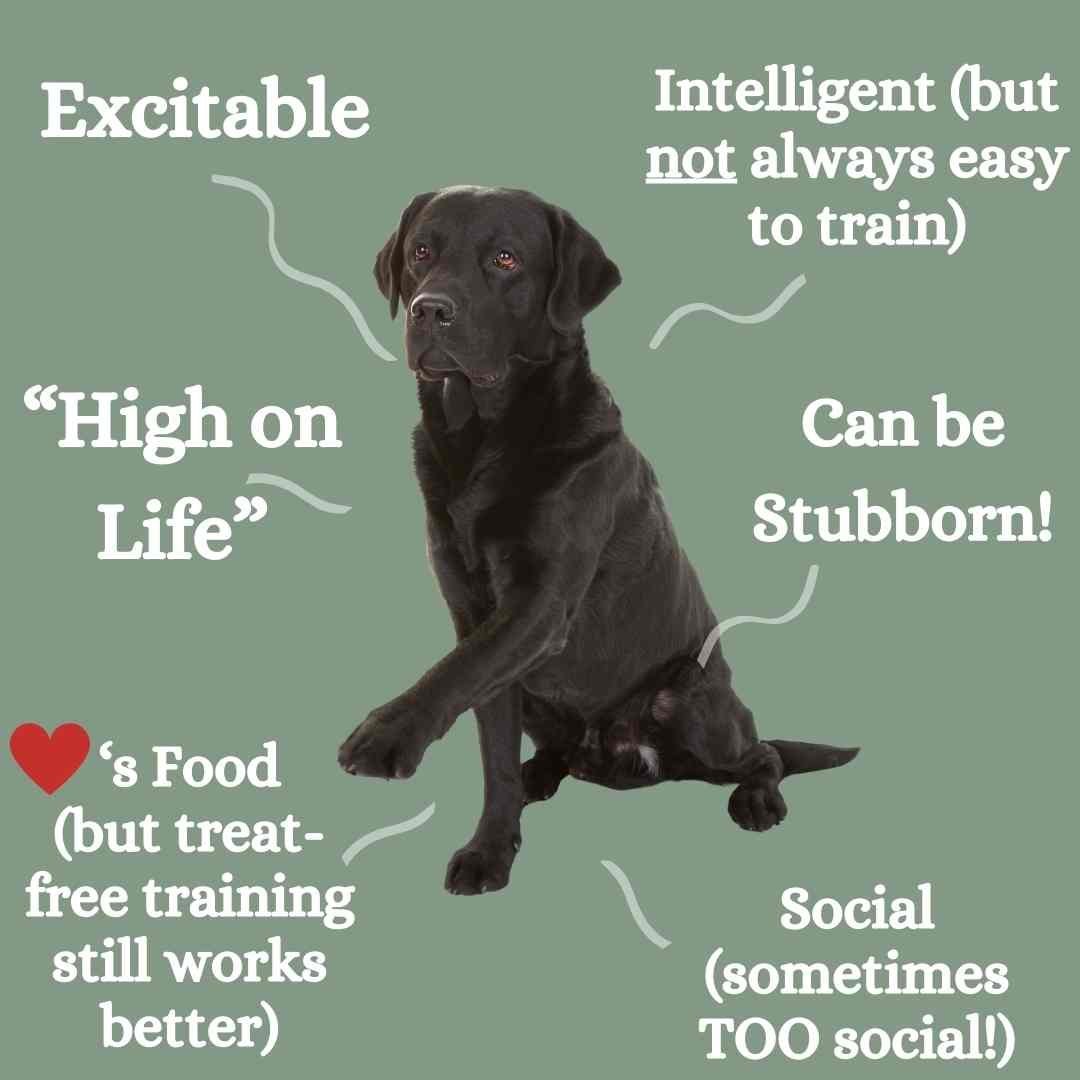
For so‑called stubborn dogs, clear, consistent routines are more powerful than occasional “big” training sessions. Daily life should quietly teach good habits through short, repeatable patterns.
Key tips include:
- Use the same words and hand signals every time for each behavior
- Reward wanted behavior generously, especially calmness and checking in
- Manage the environment to prevent rehearsing bad habits
- Provide enough exercise and mental enrichment before demanding focus
- Change one variable at a time when increasing difficulty
By pairing structure with rewards, many “stubborn” dogs become eager partners.
Mistakes That Make Dogs Seem More Stubborn
Many dogs are labeled stubborn due to human mistakes during everyday interactions. Common errors include using too many cue words for the same action, repeating cues rapidly, or changing rules depending on the situation. Inconsistent rewards also confuse dogs; sometimes pulling on the leash works, sometimes it does not.
Another frequent mistake is punishing slow learning or fear. Scolding, leash jerks, or yelling make dogs avoid the trainer rather than the behavior. Asking for difficult tasks in highly distracting places too soon also leads to failure. When mistakes are reduced, most dogs show far less “stubborn” behavior.
Daily Habits That Support Better Behavior
Small habits in daily life strongly influence so‑called stubborn dogs. First, keep mealtimes, walks, and rest on a regular schedule so the dog feels secure. Use the same cues and rules at home: sit before food, wait at doors, no jumping for attention. Short, playful training (1–3 minutes) before walks or play helps the dog practice listening when excited. Ensure enough exercise and mental stimulation to prevent pent‑up energy from turning into “bad behavior.” Finally, reward calm behavior in everyday moments so manners become a natural routine.
This article helps you understand the true nature of stubborn dogs and provides a detailed explanation of the seven steps to "Training a Stubborn Dog." It organizes the environmental factors and owner interactions that contribute to stubbornness, and summarizes practical tips from a third-party perspective that are easy to implement daily, such as choosing rewards, short and fun exercises, and gradually increasing the difficulty level.


















![5 sites for finding foster homes for rescued dogs and cats [Basic information before rescuing]](https://with-my-dog.com/wp-content/uploads/2021/09/andriyko-podilnyk-M4NYOsSre6g-unsplash-300x240.jpg)