
![Dog Diet [Food]](https://with-my-dog.com/wp-content/uploads/2021/10/dog-g9601cd196_1920.jpg)
Approximately half of all pet dogs are obese, meaning many need to diet.
Even dogs who become overweight often face a series of health problems, and weight issues can worsen chronic illnesses. If you're even slightly concerned, start taking action today!
What causes dogs to become overweight?

In both humans and dogs, obesity is diagnosed when fat exceeds the ideal body weight by 15-30%.
While a veterinarian is the best and ideal way to assess your dog's condition, there are ways to check its weight at home.
Try feeling your dog's ribs while holding it. If you can't feel its ribs, it's out of breath while walking, it's walking a little slower than before, it's sleeping more than usual, etc., then it's likely that your dog is no longer overweight.
What causes dogs to become overweight?
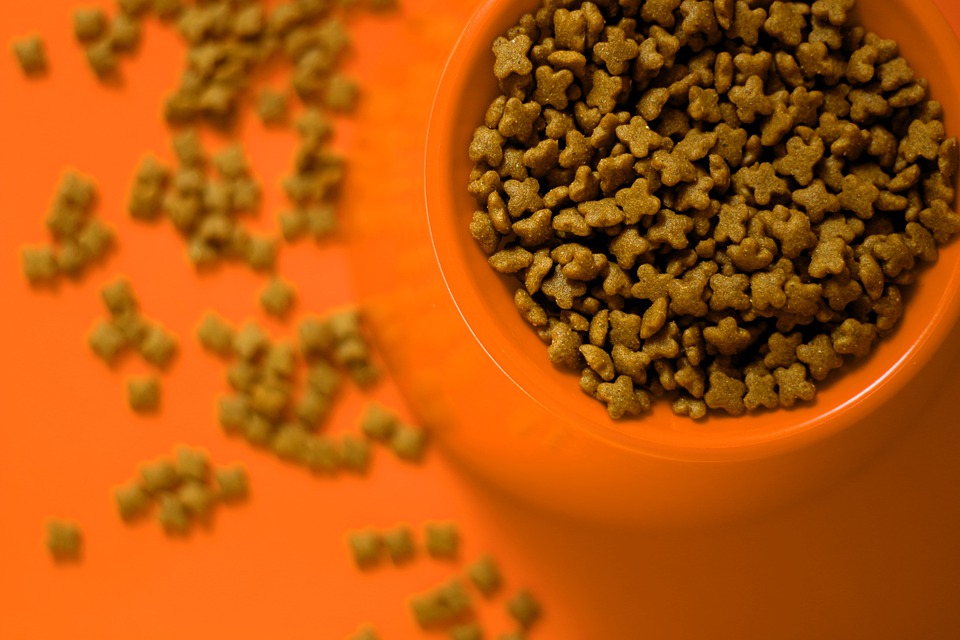
Lack of exercise and excessive calorie intake. The most common causes of obesity in dogs are overfeeding and consuming too many calories.
In addition, some dog breeds are genetically prone to gaining weight and have difficulty managing their weight. Examples include golden retrievers, bulldogs, and cocker spaniels.
Excess weight puts undue stress on bones and joints, and increases health risks such as diabetes, arthritis, cancer, and high blood pressure. It also makes dogs more susceptible to heat and may suffer from heatstroke and respiratory distress.
How should I diet my dog?

Just like with humans, the two foundations of dieting are "dietary management" and "exercise." If you're concerned about your dog's obesity, start by reviewing the amount of food they're eating.
◆Do not feed your dog human food
Human food is high in salt and fat, and may contain dangerous substances that can cause poisoning in dogs. If you are feeding your dog human food, stop giving it to your dog immediately.
◆Reduce the amount of food
Just as humans have different absorption and metabolism rates, so do dogs. Even if your dog eats the daily amount listed on the back of a commercial food package, some dogs will gain weight and others will lose it. It's not necessary to feed your dog the amount listed; weigh your dog weekly and consult with your veterinarian to determine the appropriate amount for your dog.
Suddenly reducing food intake can be stressful both physically and mentally. This can lead to behavioral problems like stealing food or excessive barking, and can even cause excessive stomach acid vomiting due to hunger. Unlike humans, dogs cannot speak, so they cannot communicate when they are not feeling well. Excessive dieting is extremely dangerous, so be sure to avoid it.
◆Switching to Diet Food
There are diet foods available commercially, so you can switch to those. We recommend diet foods that meet the requirements of a low-fat, high-fiber diet. The higher the fat content, the more palatable your dog is and the more likely it is to overeat, so choose a low-fat food. Also, the higher the fiber content, the more likely your dog is to feel full.
However, if you suddenly stop feeding your dog the previous food and switch to the new food, your dog may refuse to eat or may develop an upset stomach. Switch gradually by gradually mixing the new food into their current food.
◆Make mealtime adjustments
Try using utensils designed to prevent your child from eating too quickly, educational toys for food, and other ways to lengthen mealtimes. By extending mealtimes, you can reduce the amount of food your child eats and still feel satisfied. (Note: When using educational toys or plastic bottles, be careful not to accidentally eat food. Always keep an eye on your child.)
◆Make snack adjustments
Giving your child too many snacks can also lead to weight gain. Gradually reduce the amount of treats you give them. Dogs are creatures who derive pleasure from the number of treats they receive, not the size of the treat. By dividing treats into smaller portions and giving them multiple times, you can reduce the amount of treats your dog needs while still maintaining their satisfaction.
What Owners Can Do
Dogs don't prepare their own food, so you, the owner, need to control their diet and treats. The key to a successful dog diet is whether you understand and follow the correct method.
Especially if you have a family, be sure to work together as a family. Everyone in the family needs to be on the same page about your dog's weight and make an effort to change their lifestyle.
Even if your dog has started a diet, if someone in the family secretly gives him extra treats or meals, that one bite can be "too much" for a small dog. Owners must first fully understand this and make an effort to prevent their dog from becoming obese for their own convenience.
Summary
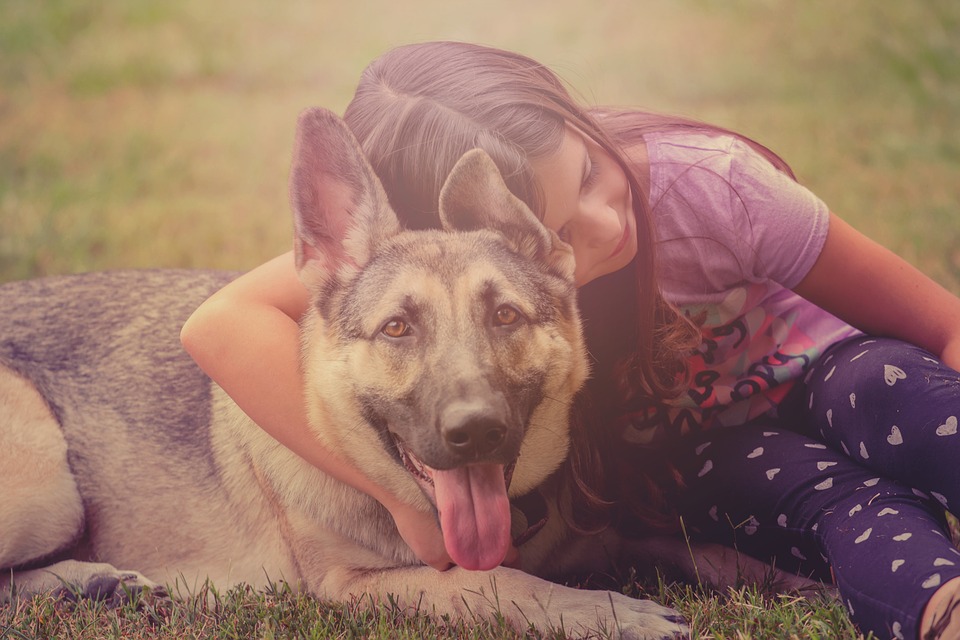
Going on a diet can be difficult and frustrating for pet owners.
Even if you reduce the amount of food you give your dog, don't feel that your love for him has diminished.
Maintaining a healthy weight ensures a healthy and happy life with your dog. Let's build a healthy body so that you and your family can spend a lifetime together in laughter!










![[What are the cutest dog breeds?] Introducing popular dog breeds!](https://with-my-dog.com/wp-content/uploads/2021/10/dog-g3ab76451a_1920-150x150.jpg)





![Want to see cute dog photos? A collection of popular sites [including free stock images]](https://with-my-dog.com/wp-content/uploads/2022/07/image4-11-300x200.jpg)

![[Popular dog food rankings] Recommended dog food and how to choose it](https://with-my-dog.com/wp-content/uploads/2021/10/入れ替え_5枚目-300x200.jpeg)