
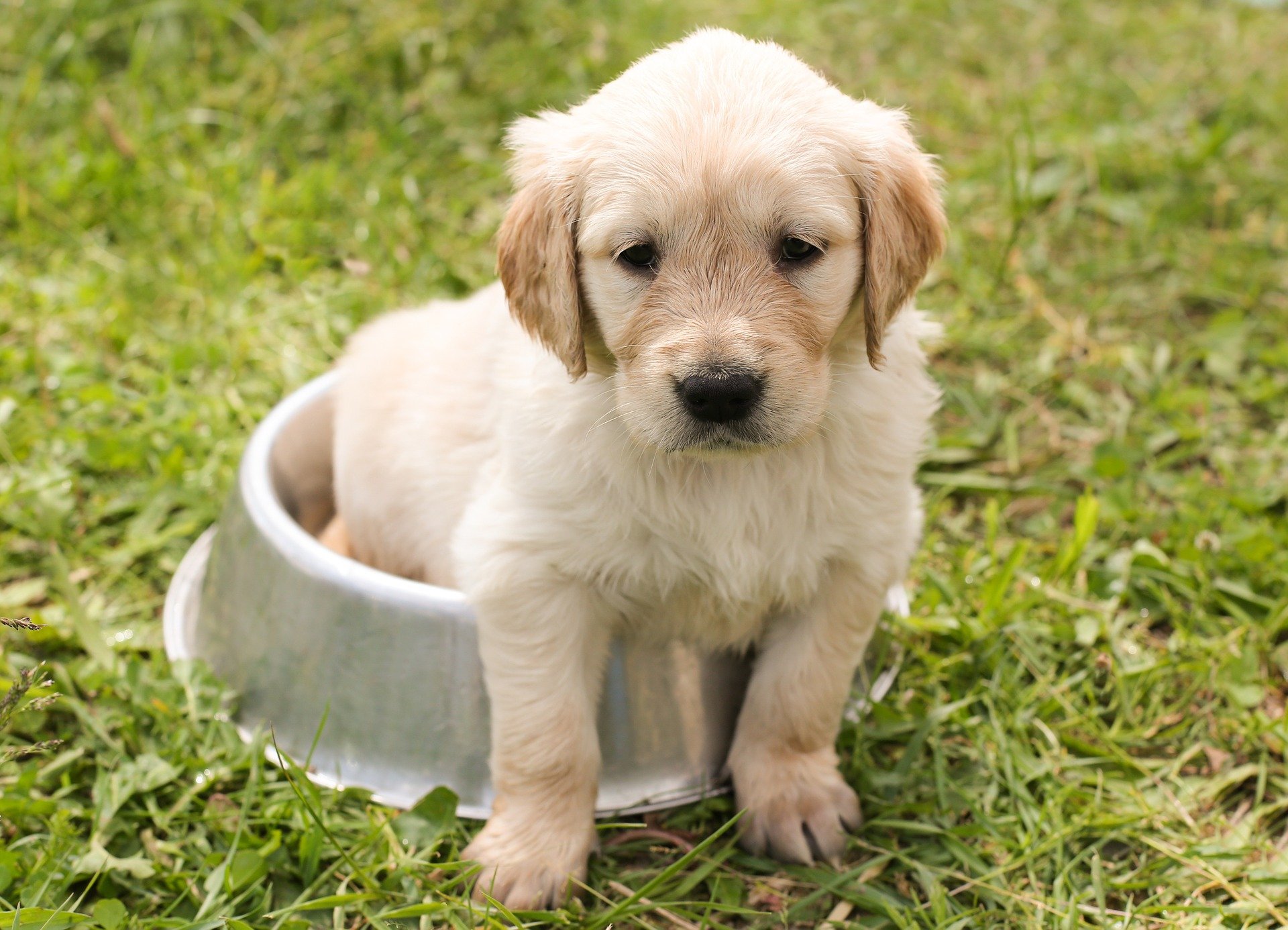
"He always looks forward to his meals, but he won't eat them..."
"Even after he eats, he vomits and has diarrhea..."
Have you ever experienced something like this?
For pet owners, this can be very worrying. There are many possible reasons, including a mental illness or other underlying causes.
Read this article to learn the causes and solutions for when your dog won't eat.
Why Dogs Don't Eat for Days
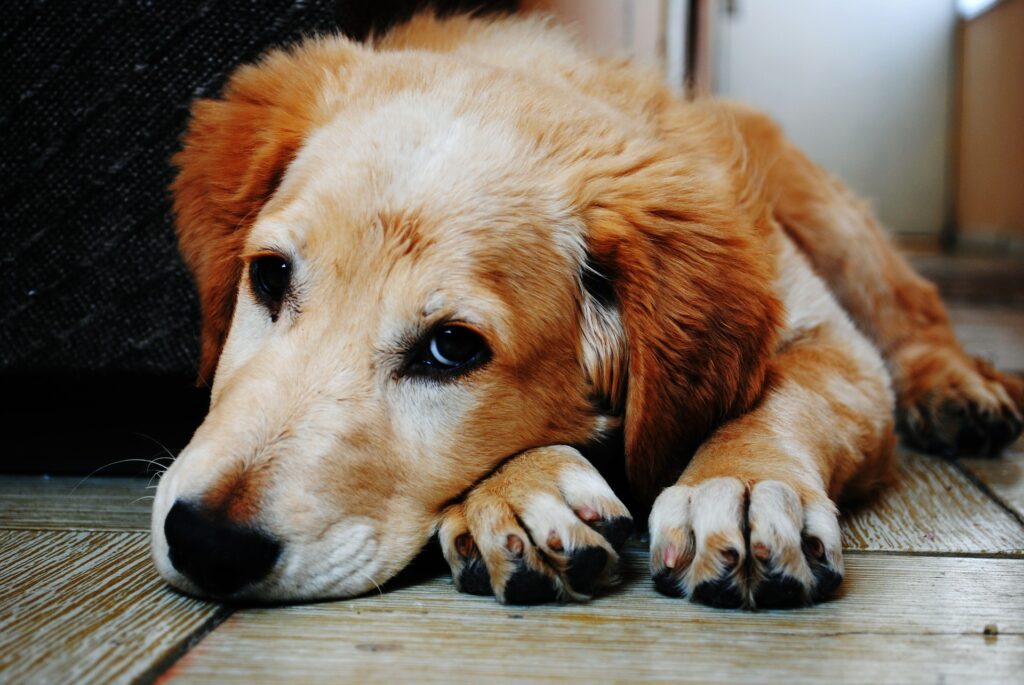
If your dog, who usually eats well, suddenly stops eating for several days, it may be a sign of poor health.
There are four main reasons why dogs don't eat.
Let's look at your dog's behavior to determine the reason and take appropriate action.
1. Illness

After observing the situation for 2-3 days, if your pet's eating habits become irregular or it stops eating, you may suspect illness.
Examples of illnesses include:
- Oral disease
- Internal organ disease
- Respiratory disease
- Digestive disease
- Parasitic infection
These are some examples.
It's best to take your dog to the vet as soon as possible.
Infectious diseases can be prevented with vaccinations, so be sure to get your dog vaccinated regularly.
Also, it's not a good idea to force your dog to eat if it doesn't want to.
In some cases, your dog may accidentally ingest food, so you may need to deprive it of water or food.
Some conditions, such as intestinal blockage or gastric torsion, can be life-threatening. Therefore, if your dog stops eating and you suspect an illness, it's important to take him to the vet rather than making a self-diagnosis.
2. Stress
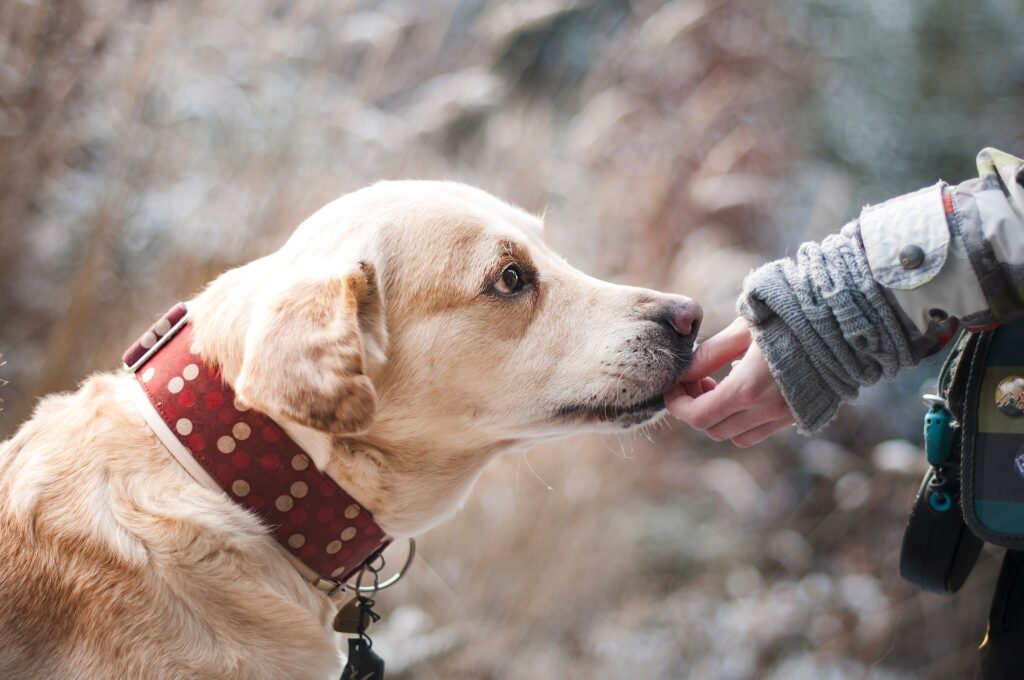
When their living environment changes or they experience stress, they lose interest in food and their appetite.
Another factor that can cause stress in dogs is their environment.
- Changes in the physical environment, such as moving
- Lack of communication
- Being in a different environment
- Being separated from their owner
These are some of the things that can cause stress.
If your dog seems stressed, reconsider its living environment.
Make sure to communicate with your dog regularly, such as by spending as much time together as possible and taking them on enjoyable walks.
Stress can also be caused by an underlying illness.
If you have any concerns, we recommend taking your dog to a veterinarian.
Even if your child is stressed, don't scold them or force them to eat if they don't eat.
3. Selfish
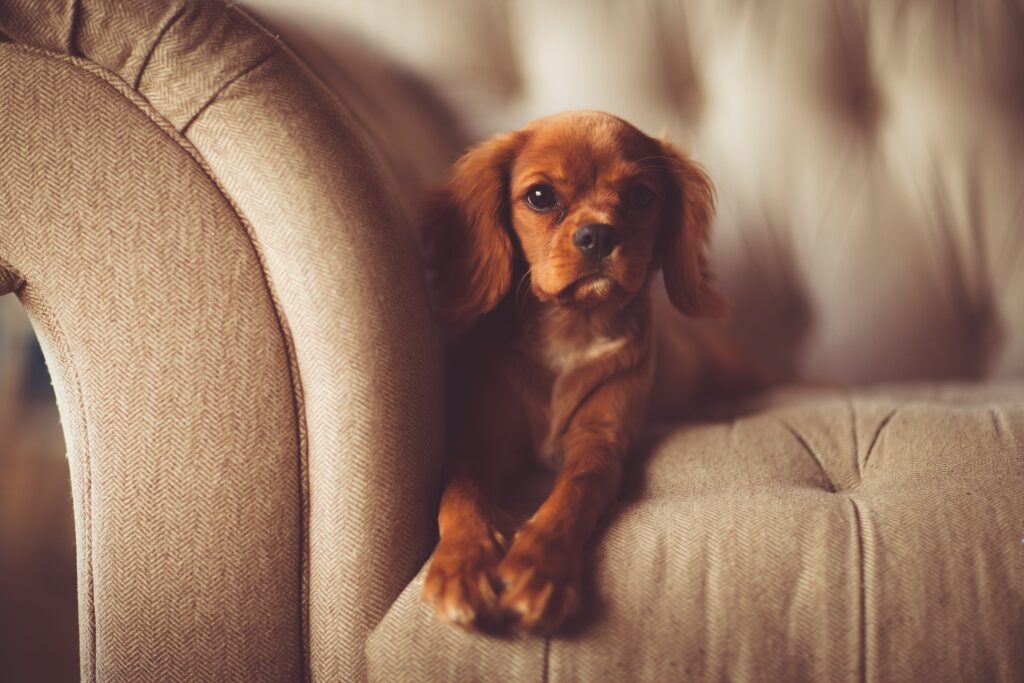
Sometimes dogs refuse to eat their food because they are picky eaters or just trying to be spoiled.
For example,
- Feeding treats instead of food
- Feeding human food
- Frequently changing the type of dog food
If you continue to do things like these,
They'll learn that they'll get more delicious food and stop eating.
It's a good idea to mix your dog's old food with the new one and see how it goes.
Also, even if your dog enjoys it, giving them too many treats or human food can lead to an unbalanced diet, so refrain from doing so too easily.
Discipline is also important. Instead of giving your dog other food if they refuse to eat, put their food away if they don't try to eat after 20 to 30 minutes.
Repeat this discipline until your dog starts eating regularly.
As you do this repeatedly, your pet will learn that there are no substitutes and will start eating the food you've prepared in advance.
4. Aging
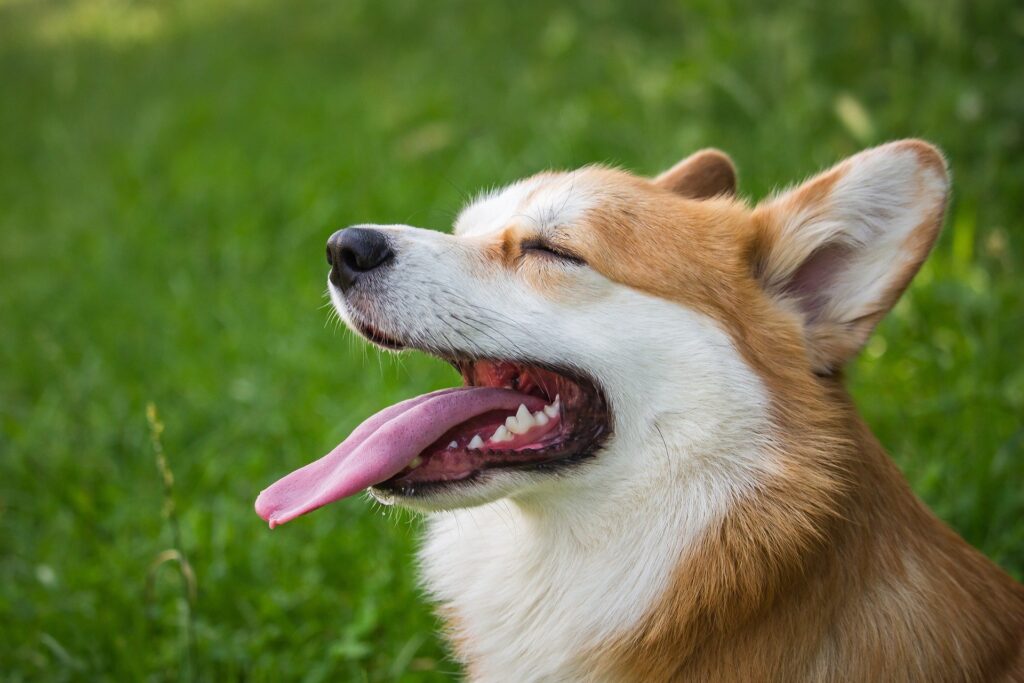
Just like people, dogs age.
- Decreased digestive function
- Decreased sense of taste and smell
- Deterioration of teeth and gums
- Weakened chewing ability
- Decreased energy needs due to decreased activity
For reasons such as these, your dog may no longer have the same voracious appetite as when he was younger.
Oral problems can make it difficult for your dog to eat hard foods, so warming dog food to enhance its aroma or offering softer foods can be effective.
Also, as dogs get weaker, they lose weight and become less able to eat.
While it's important to feed your dog at set times, it's also important to be considerate and allow older dogs to eat when they can.
Homemade food can also be effective in stimulating your dog's appetite, but suddenly switching from dog food to homemade food can make them wary.
In such cases, mixing homemade food with your dog's regular food may help make it easier to eat.
However, preparing nutritionally balanced food for an elderly dog can be extremely difficult.
It's a good idea to consult with a veterinarian or other specialist about how to prepare nutritionally balanced food.
In addition, "complete nutritional foods" for elderly dogs are now available, so it's recommended that you try them.
Summary
This time, we've listed the following four main reasons why dogs stop eating for days:
- Illness
- Stress
- Selfishness
- Aging
There are many reasons why a dog might stop eating, and ways to deal with it. One thing owners can do is to check their dog's health and condition daily.
Please be mindful of your dog's behavior and pay attention to it. Only you can truly understand your dog's condition.
If your dog shows any unusual behavior, such as diarrhea or vomiting, or is less energetic than usual, or if you have any concerns, consult a veterinarian or a specialist immediately.
We support a fun life with your beloved dog!









![[Shiba Inu] Why does he get angry when you touch his food bowl? Here are the reasons and three solutions](https://with-my-dog.com/wp-content/uploads/2022/07/image2-15-150x150.jpg)