
Hello!
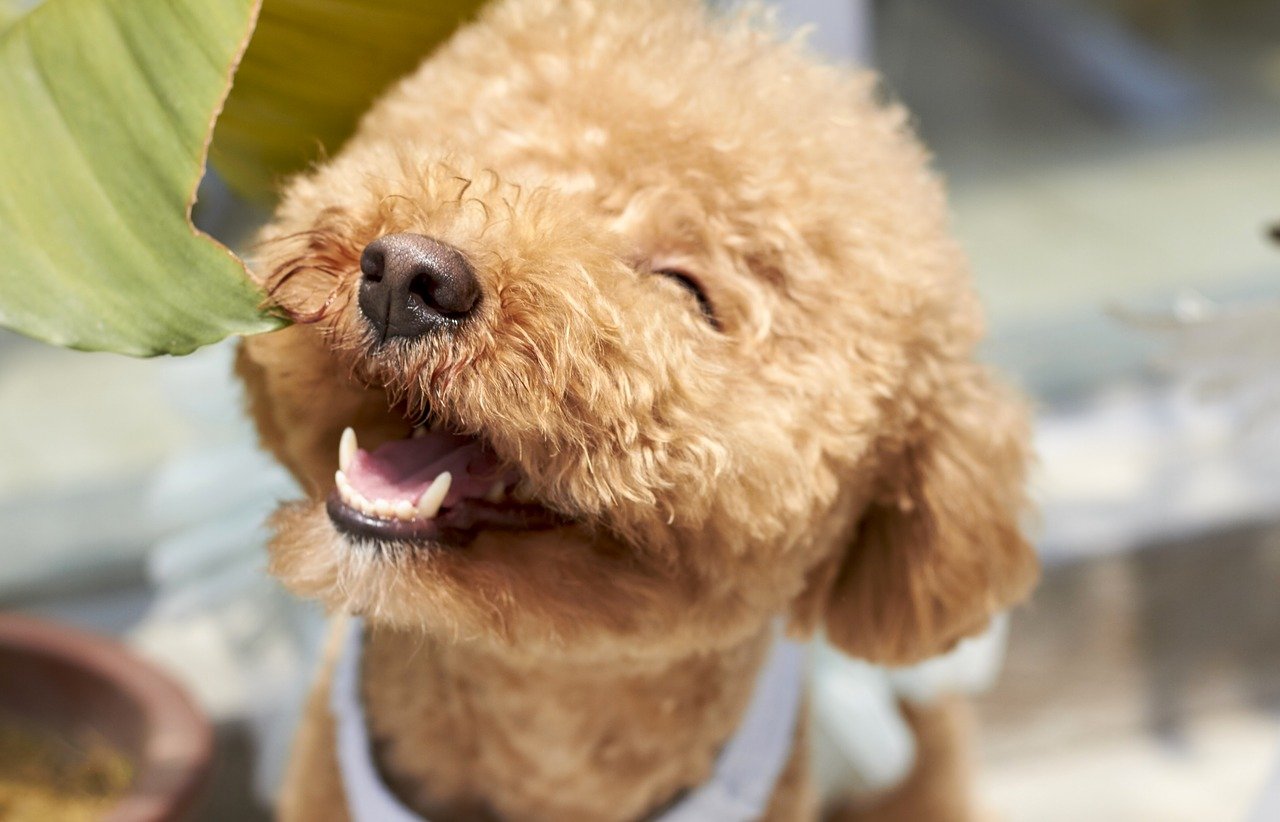
Today, I'd like to introduce dog food for the adorable Toy Poodle, a small dog with curly fur that's incredibly popular around the world!
Characteristics of Toy Poodles
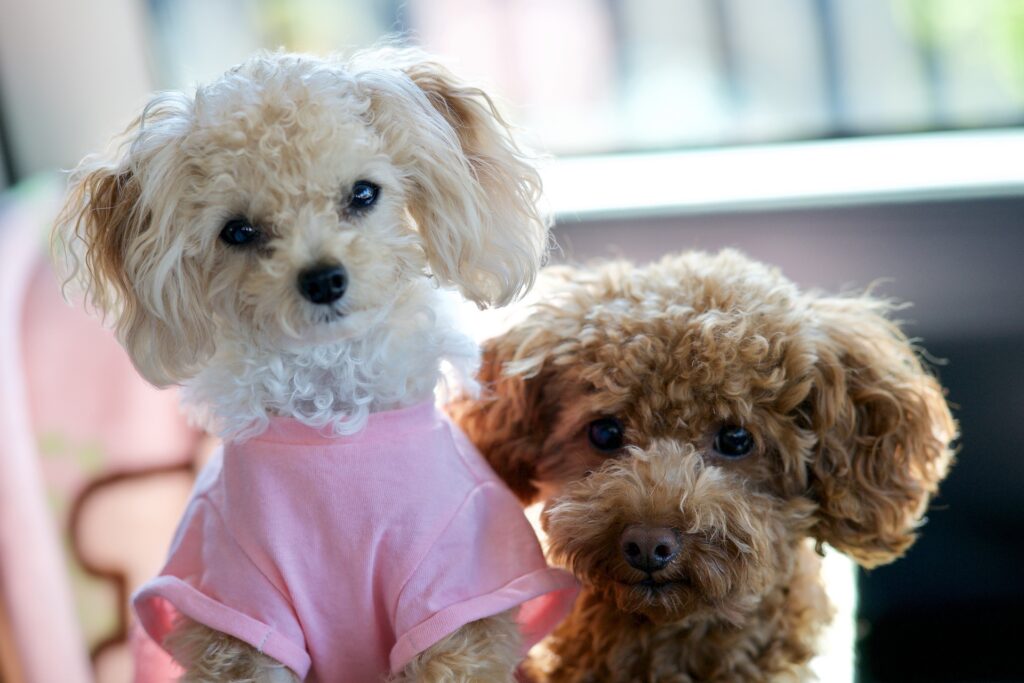
Toy poodles are about 26-28cm tall and weigh about 3kg, making them like stuffed animals and truly adorable!
Their curly coat doesn't shed easily, and they don't have the typical dog odor, making them a highly recommended breed for first-time owners!
On the other hand, their coat can easily tangle... Daily brushing is essential. It's also a form of communication, so it's recommended to brush them frequently! If you neglect brushing, their coat can tangle, which can lead to inflammation. Brushing is important.
They are quite intelligent, and seem to be able to understand their owner's words to some extent! They're incredibly easy to train and can even be quite affectionate. They're a breed that knows exactly how to captivate humans... (laughs) Perhaps due to their high intelligence, they're also quite the gourmets. They have very clear likes and dislikes, and many only eat the foods they love... Even their selfishness is adorable!
Toy poodles weren't originally small dogs; they've been bred many times to reach their current size.
As a result, many of them suffer from congenital illnesses.
Diseases that are prone to skeletal or constitutional factors
- Patellar luxation
- Epiphora (tear staining)
- Otitis externa
These conditions are congenital. Perhaps it's unavoidable due to the skeletal structure...
Let's explain the above conditions in detail!
Patellar Luxation
The patella is commonly referred to as the "kneecap."
This patella normally fits into a depression called the "trochlear groove" inside the femur. When it shifts inward, it's called "medial luxation," and when it shifts outward, it's called "lateral luxation." Luxation, where the bones shift out of place, is common in small dogs. Because their joints are so small, it can easily shift out of place with just a little force.
This type of dislocation can also be congenital (causing abnormalities in the muscles and ligaments around the knee joint from birth), and Toy Poodles may be prone to this condition. Acquired dislocations are often caused by jumping off high places, such as sofas or stairs.
The symptom is likely to be lifting the leg and walking in a hopping manner, so if you notice this, take your dog to the vet immediately.
Epiphora (Tear Stain)
Tear staining occurs when tears continue to flow from the eyes. As the tears dry and oxidize, the hair around the eyes turns reddish-brown.
Tear staining can occur in a variety of situations. For example, if something gets in the eye or if the eye is injured. Toy poodles have curly fur. The hair around the eyes also grows curly, so if hair gets in the eyes, it can cause tear staining.
To prevent tear staining, wipe away tears as soon as they appear. While there's nothing you can do about external factors, there are cases where tear staining has improved with foods that improve the intestinal environment. If your dog's tear staining isn't improving, it might be a good idea to reconsider its food.
Otitis Externa
If your dog frequently scratches its ears or dislikes having them touched, it may have otitis externa. Toy poodles have droopy ears, which make it easy for bacteria to grow in the ears.
- A strong, sour smell coming from the ears
- Stick earwax
- Ears get dirty quickly even after ear cleaning
If the above symptoms are present, it's likely otitis externa. Most cases of otitis externa are caused by a fungus called Macellatia. Treatment at the hospital involves ear cleaning and antibiotics.
Clean your pet's ears frequently and check daily for any of the above symptoms. With the above in mind, we'll explain the criteria for choosing pet food!
How to Choose Pet Food for Toy Poodles
Characteristics of Toy Poodles
- Small dog
- Foodie
- Prone to tear stains
Small dogs have small faces and jaws, so dog food with small granules is easier for them to eat. The expiration date for dog food is about three months. (Depending on storage conditions) Unless you have multiple dogs, it's best to choose small-sized dog food in small portions. Even if you buy tens of kilograms of food, there's a good chance they won't finish it before the expiration date.
They're foodies, so sometimes they won't eat anything you give them! It's a good idea to choose a food that you can try first and choose one that they enjoy.
As mentioned above, there are cases where tear staining is easily improved by foods that improve the intestinal environment. From that perspective, a food containing ingredients that are expected to improve the intestinal environment seems like a good choice. Dogs have few enzymes that digest grains, so it's not good for them to have difficulty digesting grains after ingesting them.
That's why we recommend gluten-free dog food, which doesn't contain grains.
Here, we'll introduce foods that meet the above criteria!
POM POM DELI
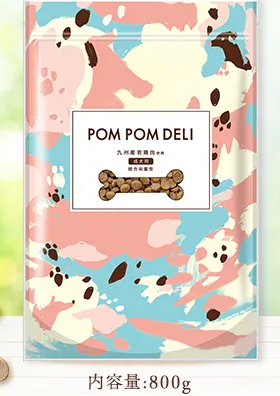
Ponpon Deli is veterinarian-approved dog food!
This dog food is recommended by approximately 92% of veterinarians! All animal protein is exclusively chicken! Recommended for dogs with allergies. Regularly feeding your toy poodle a high-protein diet will also improve their coat shine. ♪
The grains are less than 1cm in size. The perfect size for small dogs! Each bag is 800g, so you can easily use it all up within the expiration date—another reason we recommend it!
This food is said to provide all the nutrients your toy poodle needs in a day, so if you're not sure what to feed your toy poodle, why not give Pon Pon Deli a try?
Naturol
Premium Dog Food "Naturol" | ReasonWhy [Official]
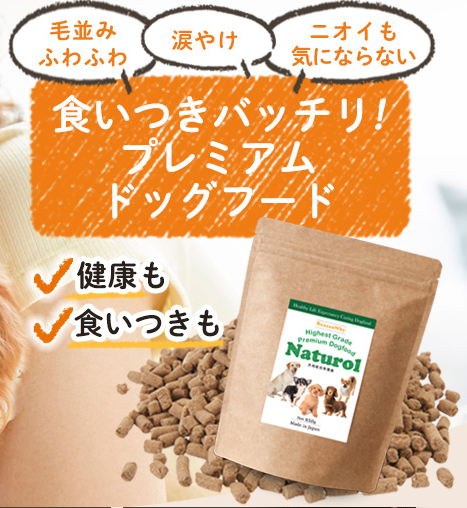
It's human-grade, made to a level that humans can eat, and it's grain-free, so it's gentle on your dog's stomach! Many people have reported that their dog's tear stains have decreased significantly since they started feeding it Naturol, making it a popular food that everyone recommends!
With a trial sale available at a very low price, this dog food really conveys the desire to encourage you to give it a try! While not veterinarian-supervised, it is a safe food recommended by veterinarians. The ingredients are clearly stated, and the food itself is highly rated, so be sure to give it a try! ♪
Summary
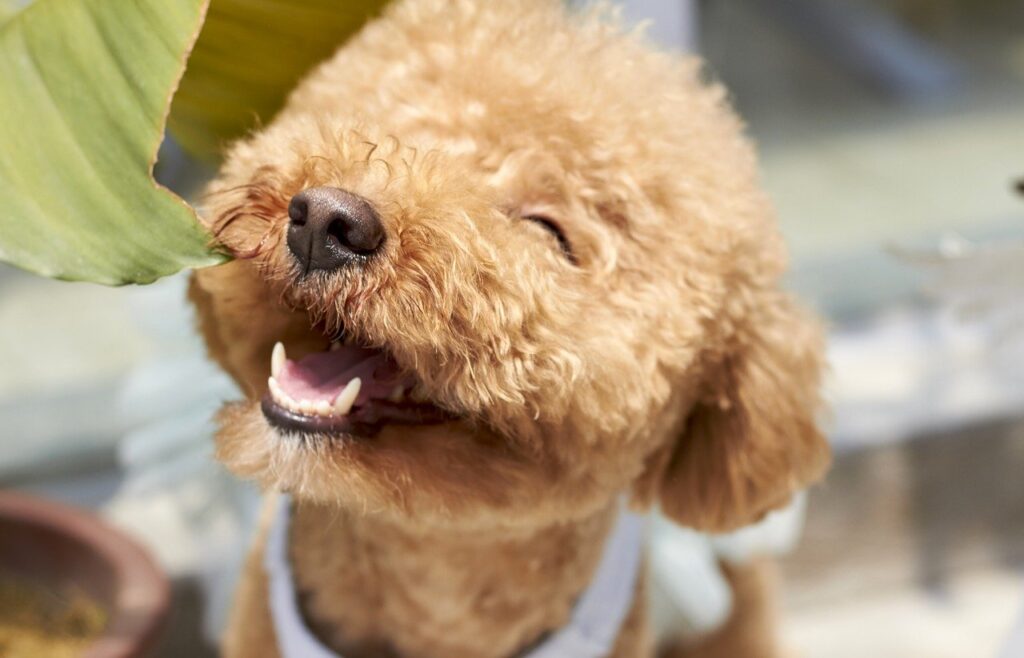
That concludes our recommended food recommendations for toy poodles!
In addition to the above, if you pay attention to factors like "kibble size," "protein content," and "intestinal environment improvement," you're sure to find the perfect food! Some puppies may become ill if they suddenly change their food.
When introducing a new food, it's recommended to gradually mix it with the previous food. It's also a good idea to start by giving it to them as a treat!
If you give your Toy Poodle treats instead of dog food because you think it's smart, it may learn that if it waits without eating, it will get a treat. Be careful not to only give it human food and treats just because it won't eat.




![[When to Neuter a Dog] Is it too late for an adult dog? Risks, advantages and disadvantages](https://with-my-dog.com/wp-content/uploads/2022/05/cocker-spaniel-g0d3ad5651_1920-150x150.jpg)
![[Dog Diet] How to Adjust Your Diet? Introducing Healthy Foods](https://with-my-dog.com/wp-content/uploads/2022/08/image4-e1660552565726-150x150.jpg)





![[Funny Dog & Cat Videos] Tips for Filming to Bring Out Their Charm and Make Your Dog Look Like That!](https://with-my-dog.com/wp-content/uploads/2022/04/3015452_s-300x200.jpg)