


Many dog owners struggle to choose the right dog food for their beloved pets, considering various factors such as safety, nutritional balance, and palatability. This article, based on "dog food reviews," introduces nine carefully selected dog foods recommended by veterinarians for 2024. We provide a clear and easy-to-understand overview of ingredients, components, and differences based on life stages from a third-party perspective, offering valuable information to help you choose the right food for your dog. This article compiles helpful information for those who prioritize their dog's health.
How We Chose These Dog Foods
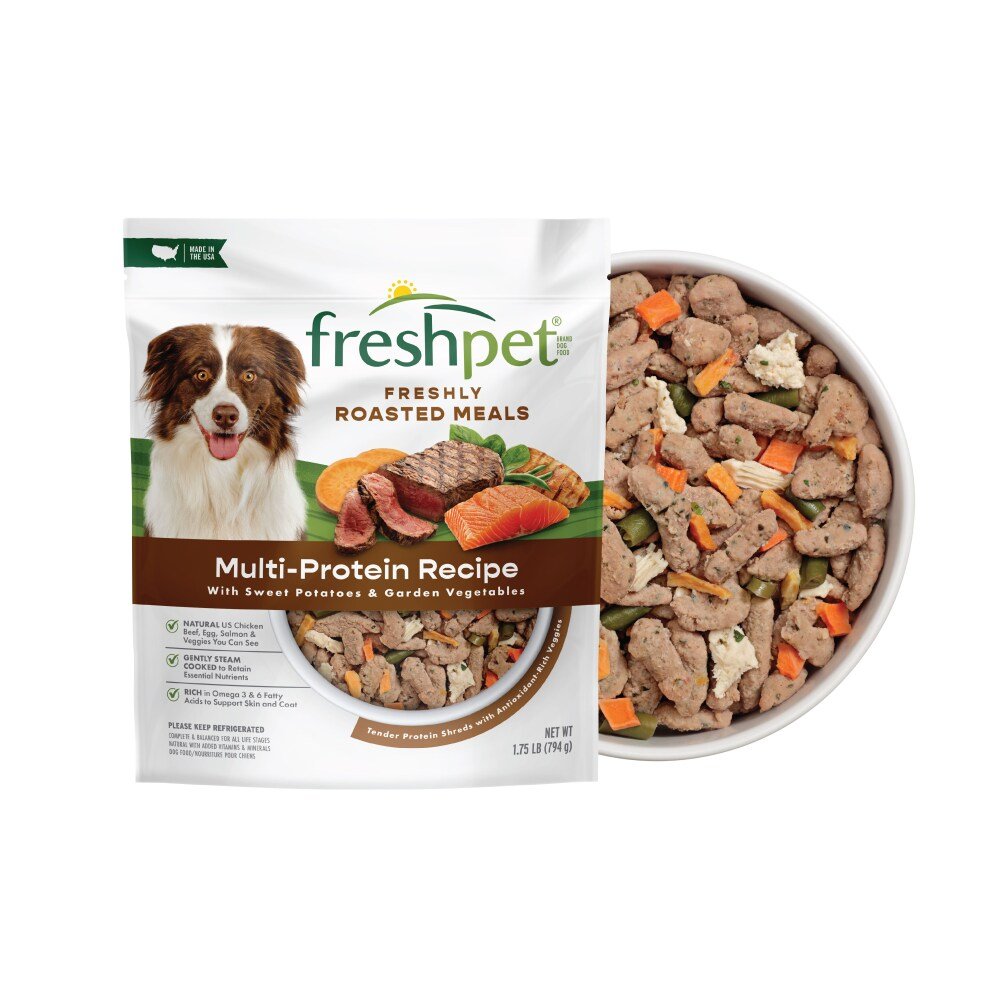
Dog owners often feel overwhelmed by countless brands and claims, so a clear and consistent selection method is important. The reviewed foods are chosen based on veterinary evaluation, safety record, ingredient quality, and real‑world results for dogs. Only products that meet AAFCO standards, disclose nutrient details, and have no serious unresolved recall issues are considered. Formulas must also show suitable recipes for different life stages and health needs.
Expert input and veterinary guidance
Veterinary nutrition specialists and general veterinarians were consulted to identify safe, balanced options that meet real‑world needs such as allergies, weight control, and sensitive digestion. Experts prioritized brands that invest in board‑certified nutritionists, ongoing feeding research, and clear formulations. Clinical experience from vets who monitor dogs on these diets daily helped confirm which foods support healthy skin, digestion, and energy over the long term.
Safety checks and recall history
Safety checks are central to reliable dog food reviews. Priority is given to brands with strong quality control, such as in‑house testing for bacteria, mycotoxins, and nutrient levels. Manufacturing in facilities with third‑party certification (SQF, ISO, or similar) is also valued.
Recall history is reviewed through FDA alerts and brand announcements. Foods with frequent, unexplained recalls or poor communication are rated cautiously, while brands that act quickly, expand recalls proactively, and improve processes earn more trust.
Ingredient quality and transparency
高品質なドッグフードを選ぶうえで重要なのが、原材料の質と情報開示の程度です。具体的には、肉・魚の表記が「チキン」「サーモン」などと原材料名が明確で、副産物や「肉類」など曖昧な表現が少ないほど信頼性が高いと考えられます。
また、人工保存料・人工着色料・過剰な香料を避け、天然由来の保存方法を採用しているかも確認が必要です。さらに、原材料の産地や製造工場、栄養成分の詳細を公式サイトで公開しているメーカーは、透明性が高く安全管理に積極的と判断できます。忙しい飼い主にとっては、ラベルと公式サイトを短時間でチェックするだけでも、安心できるフードかどうかを見分ける手がかりになります。
Feeding trials and real‑world testing
Feeding trials and real‑world testing provide evidence that a dog food works safely in everyday life, not just on paper. In formal feeding trials, dogs eat the diet for a set period while veterinarians monitor weight, stool quality, skin, coat, and blood values. Real‑world testing adds owner feedback on palatability, digestion, and energy levels over months or years, helping identify formulas that stay reliable beyond the laboratory.
What Dogs Need From Their Food

Dogs need food that delivers balanced nutrition, digestibility, and safety rather than trendy ingredients. A complete diet should supply all essential nutrients in the right ratios, matched to age, size, and health status. Equally important are high digestibility for comfortable stools, a reliable safety record, and clear labeling. When those conditions are met, dogs gain stable energy, a healthy coat, strong muscles, and long‑term protection for organs and joints.
Essential nutrients for adult dogs
Adult dogs need a balanced mix of protein, fat, carbohydrates, vitamins, minerals, and water. High‑quality animal protein supports muscles and organ function. Moderate fat provides energy and essential fatty acids like omega‑3 and omega‑6 for skin and coat. Digestible carbohydrates supply additional energy and fiber for gut health. Complete and balanced foods include controlled levels of calcium, phosphorus, and trace minerals, plus vitamins A, D, E, and B‑group, so separate supplements are usually unnecessary unless a veterinarian recommends them.
Life stage and size considerations
Life stage and body size strongly change how much energy and which nutrients a dog needs. Puppies and pregnant dogs require more calories, protein, and minerals for growth, while seniors often do better with fewer calories and joint‑support nutrients. Small breeds burn energy quickly and need calorie‑dense food; large and giant breeds need controlled calcium and slower growth to protect joints and bones.
Understanding AAFCO statements
AAFCO statements are short sentences on the package that show whether a food meets basic nutritional standards. They usually appear near the guaranteed analysis.
In simple terms, AAFCO statements answer three questions:
- For which dogs? Life stage (growth/puppy, adult, all life stages) and sometimes size.
- How was it tested? “Feeding trials” or “formulated to meet AAFCO profiles.”
- How complete is it? Look for wording like “complete and balanced”; supplements and toppers should not use this phrase.
Choosing foods with a clear AAFCO “complete and balanced” statement for the correct life stage is one of the quickest ways to avoid nutritionally unbalanced diets.
Best Overall Vet‑Recommended Dog Food
For the best overall vet‑recommended dog food, many veterinarians point to a complete, balanced dry formula from a major, research‑driven brand. Typical examples include lines such as Hill’s Science Diet, Purina Pro Plan, or Royal Canin for healthy adult dogs. These brands conduct feeding trials, employ veterinary nutritionists, and have strong quality‑control systems. A “best overall” option usually suits most healthy adult dogs, offers multiple protein options, and is widely available, making long‑term feeding and consistent nutrition easier for owners.
Who this food is best for
The "best overall" vet‑recommended formula is designed for healthy adult dogs with average activity levels. It suits many popular breeds, mixed breeds, and household pets that do not have complex medical issues. Guardians who want balanced nutrition with strong safety standards and clear labeling are an ideal match. However, dogs with diagnosed allergies, chronic digestive problems, or strict veterinary prescription needs generally require more specialized diets tailored to their conditions.
Key ingredients and nutrition profile
The reviewed formula uses named animal proteins as the first ingredients, typically chicken or salmon meal, to provide highly digestible amino acids for muscle maintenance. Whole grains such as brown rice and oatmeal offer slow‑release energy and natural fiber. Added omega‑3 and omega‑6 fatty acids from fish oil and flaxseed support skin, coat, and joint health. The recipe avoids artificial colors and flavors, and includes chelated minerals and vitamins to help ensure complete and balanced nutrition for adult dogs according to AAFCO guidelines.
"
Pros, Cons, and Owner Feedback
Many owners have reported improvements such as ""stable bowel movements"" and ""increased coat shine,"" and the palatability and digestibility are highly rated. Veterinarians also support the balanced protein and fat content and appropriate calorie density.
On the other hand, some consider the price to be somewhat high due to the use of premium ingredients, and the lack of large-capacity packs to be a drawback. Also, because of its high-protein formula, it may not be suitable for dogs with certain pre-existing conditions such as kidney disease, and consultation with a veterinarian before feeding is recommended."
Best Dry Kibble for Most Dogs
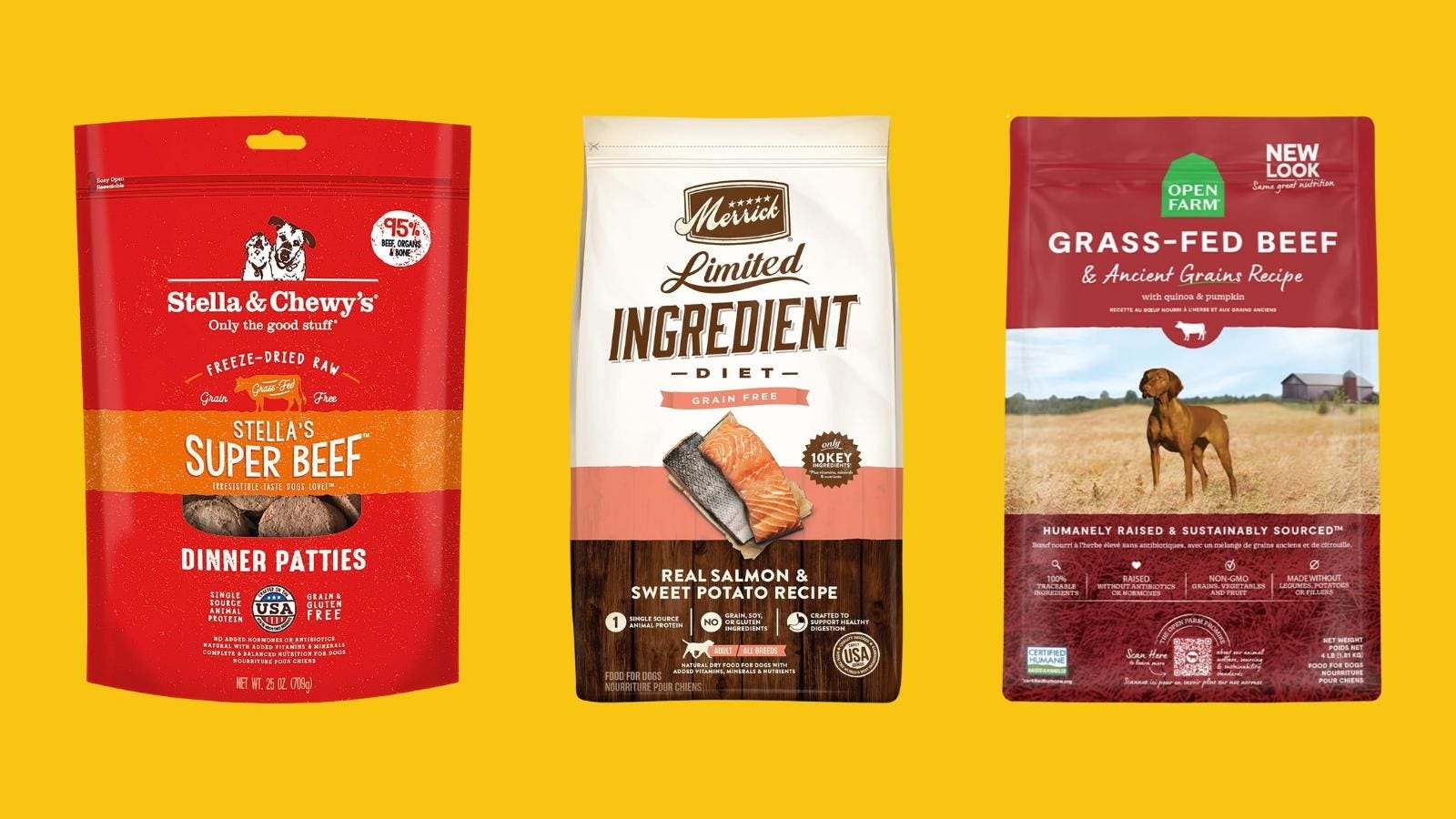
For most healthy adult dogs, a complete and balanced dry kibble is practical, affordable, and easy to store. Kibble helps support dental health through chewing, offers consistent nutrition in every bite, and allows precise portion control for weight management. High‑quality kibble should list a clearly named animal protein first, contain appropriate fat and fiber, and meet AAFCO standards for the dog’s life stage. Many families prefer kibble because it fits busy routines while still supporting long‑term health when chosen carefully.
Why vets like this formula
Veterinarians often favor a mid‑range, well‑researched kibble from a major manufacturer. Such formulas are typically backed by board‑certified veterinary nutritionists, long‑term feeding trials, and strict quality control. Protein and fat levels are balanced for most healthy adult dogs, and added omega‑3s, prebiotics, and antioxidants support skin, coat, and immune health. Clear AAFCO statements and a solid recall record further increase veterinary trust.
When to avoid this option
Owners should avoid this kibble for dogs with specific medical needs or strong sensitivities. Very small breeds, dogs with a history of pancreatitis, severe kidney disease, or prescription‑diet requirements may need a more tailored formula. Extremely picky eaters or dogs that struggle with hard kibble may also do better with a wet or fresh alternative. When in doubt, consult a veterinarian before changing to any new diet.
Best Wet Dog Food Options
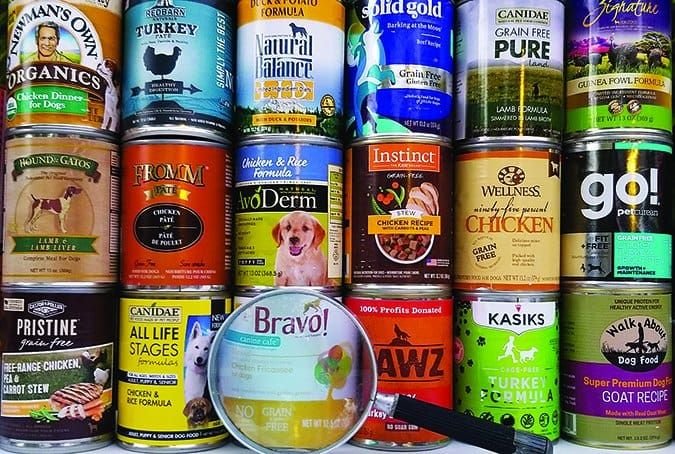
Wet food is often easier to chew and has a high moisture content, so it supports hydration and kidney health, especially in small or senior dogs. Strong aroma can also encourage picky eaters. Many guardians use canned formulas as a full meal or as a topper for kibble. However, wet diets are usually more expensive per calorie and must be stored properly after opening to prevent spoilage and digestive issues.
Benefits of canned and wet diets
Wet and canned dog food provide higher moisture content, which supports kidney and urinary health and helps dogs that drink little water. The softer texture is easier to chew for small breeds, seniors, and dogs with dental issues. Aroma and taste are usually stronger than kibble, so many picky eaters accept wet food more readily. In addition, energy and nutrients are often more concentrated, so smaller portions can still meet daily requirements when fed according to the label.
Top vet‑trusted wet food pick
Many veterinarians often recommend Hill’s Science Diet Adult Chicken & Barley Stew as a reliable wet food. The formula offers balanced protein, moderate fat, and easily digestible carbohydrates, so it suits most healthy adult dogs. Gentle fibers support digestion, while added vitamins, minerals, and antioxidants help overall wellness. Palatable texture and aroma also encourage good intake for picky eaters or dogs recovering from illness.
Best Dog Food for Puppies
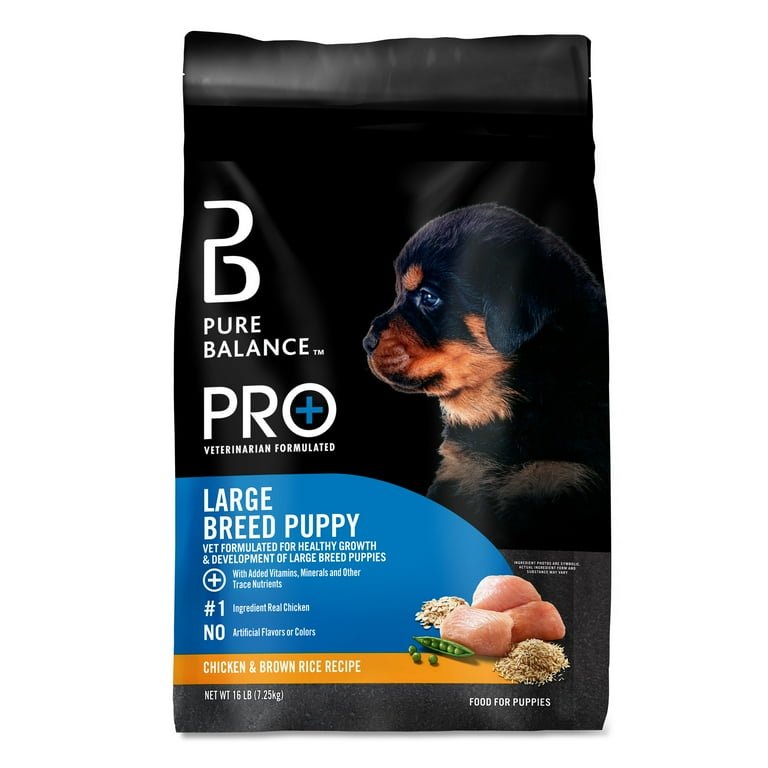
Puppies grow rapidly, so dog food for puppies must provide more energy, high‑quality protein, and balanced minerals than adult formulas. AAFCO‑approved puppy foods are designed to support healthy bones, brain development, and immune function. In particular, medium and large‑breed puppies benefit from carefully controlled calcium and phosphorus levels to avoid joint problems.
Owners should choose a complete and balanced puppy formula, then feed by ideal adult weight, not current size. Dividing the daily amount into several small meals helps protect the digestive system and maintain stable energy throughout the day.
Nutritional needs in growth stage
Puppies grow rapidly, so energy and nutrient needs are much higher than in adults. A balanced puppy diet requires more calories per kilogram, high‑quality animal protein for muscle and organ development, and precise calcium and phosphorus for safe bone growth. DHA (an omega‑3) supports brain and vision, while antioxidants and vitamins help build a strong immune system. Overfeeding or unbalanced minerals can lead to joint problems, especially in large‑breed puppies, so a life‑stage‑appropriate formula is essential.
Recommended puppy food review
Veterinary nutritionists often recommend a complete, AAFCO‑approved large‑ or small‑breed puppy formula from trusted brands such as Royal Canin, Hill’s Science Diet, or Purina Pro Plan. A strong puppy food should list a clearly named animal protein (chicken, salmon, lamb) as the first ingredient, include DHA for brain and eye development, and provide controlled calcium and phosphorus for safe bone growth. Owners frequently report shinier coats, steady weight gain, and firmer stools on such formulas, while drawbacks may include a higher price and slightly stronger odor compared with some grocery‑store foods.
Best Senior Dog Food Choices
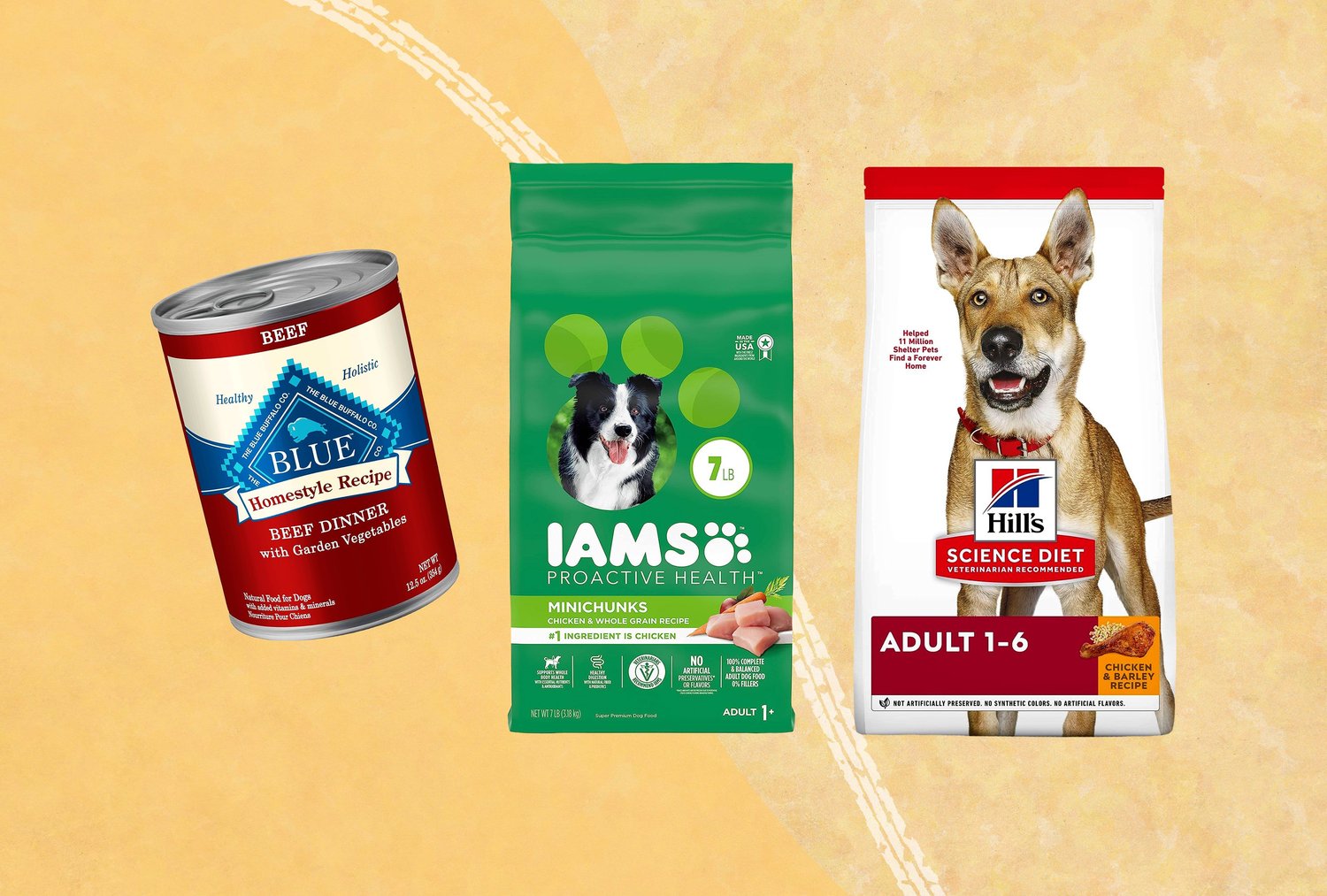
Senior dogs benefit from diets tailored to joint support, healthy weight, and easy digestion. Many vet‑recommended senior foods are slightly lower in calories, higher in high‑quality protein, and enriched with omega‑3 fatty acids, antioxidants, and added vitamins.
A good senior formula often includes glucosamine and chondroitin for mobility, controlled phosphorus for kidney support, and fiber blends that keep stools regular. Choosing a recipe with a clear AAFCO statement for “adult maintenance” or “all life stages” helps ensure complete, balanced nutrition for aging dogs.
Common health issues in older dogs
Senior dogs often face joint pain, weight changes, dental disease, and declining organ function. Arthritis can make movement painful, so many older dogs benefit from controlled calories and added joint nutrients. Kidney or heart disease may require moderate protein and lower sodium. Cognitive decline can cause confusion or restlessness. Gentle formulas that support digestion, maintain muscle, and protect organs help many seniors stay comfortable longer.
Vet‑approved senior formulas
Veterinary specialists often recommend senior formulas from major brands such as Hill’s Science Diet, Royal Canin, and Purina Pro Plan. Many are labeled “Senior,” “7+,” or “10+” and are designed to support joints, maintain lean muscle, and protect kidney and heart function. Ideal senior recipes include moderate calories, controlled phosphorus and sodium, added omega‑3s, and supplements such as glucosamine, chondroitin, and antioxidants. Owners should confirm an AAFCO‑compliant complete and balanced label and consult a veterinarian before changing food, especially for dogs on medication.
Best Food for Sensitive Stomachs
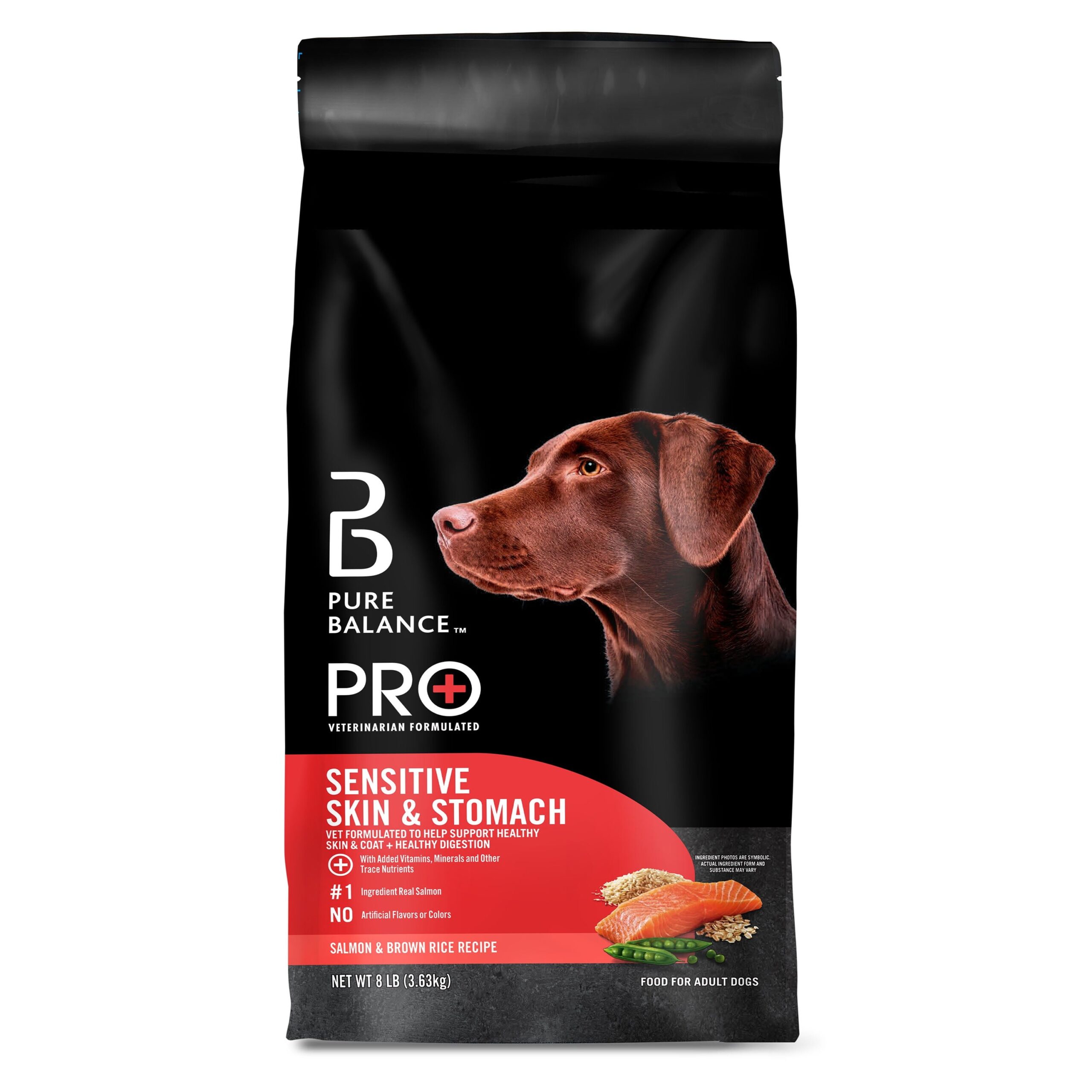
Dogs with delicate digestion benefit from simple recipes with highly digestible ingredients. Many veterinarians recommend formulas based on one main animal protein, moderate fat, and easily absorbed carbohydrates such as rice or potato. Avoiding heavy fillers, excessive fat, and strong artificial additives helps reduce stomach burden. Probiotics and prebiotic fibers are also useful, because they support a balanced gut environment and can help stabilize stool quality over time.
| Point to check | Recommended choice |
|---|---|
| Ingredient list | Short, recognizable ingredients |
| Protein source | Single, clearly named meat |
| Additives | Limited artificial colors and flavors |
| Digestion support | Probiotics, gentle fiber sources |
Signs of food sensitivity
Food sensitivity often appears as repeated mild problems rather than a one‑time upset. Common signs include soft stool or diarrhea, frequent gas, bloating, and occasional vomiting, especially soon after meals. Some dogs show chronic itching, ear infections, or licking at paws and belly. Slow weight loss, dull coat, or refusing food can also suggest a problem. If symptoms last more than a few days, consulting a veterinarian before changing food is strongly recommended.
Limited‑ingredient and gentle diets
Limited‑ingredient diets reduce the number of components in a recipe so owners can more easily identify which ingredient is causing trouble. Gentle formulas often use highly digestible proteins (chicken, turkey, salmon) and simple carbs (rice, potato, oats), and avoid common triggers such as beef, dairy, or strongly flavored additives. For sensitive dogs, choosing one main protein, one main carb, and minimal extras can ease gas, loose stool, and mild skin irritation.
Best Dog Food for Allergies
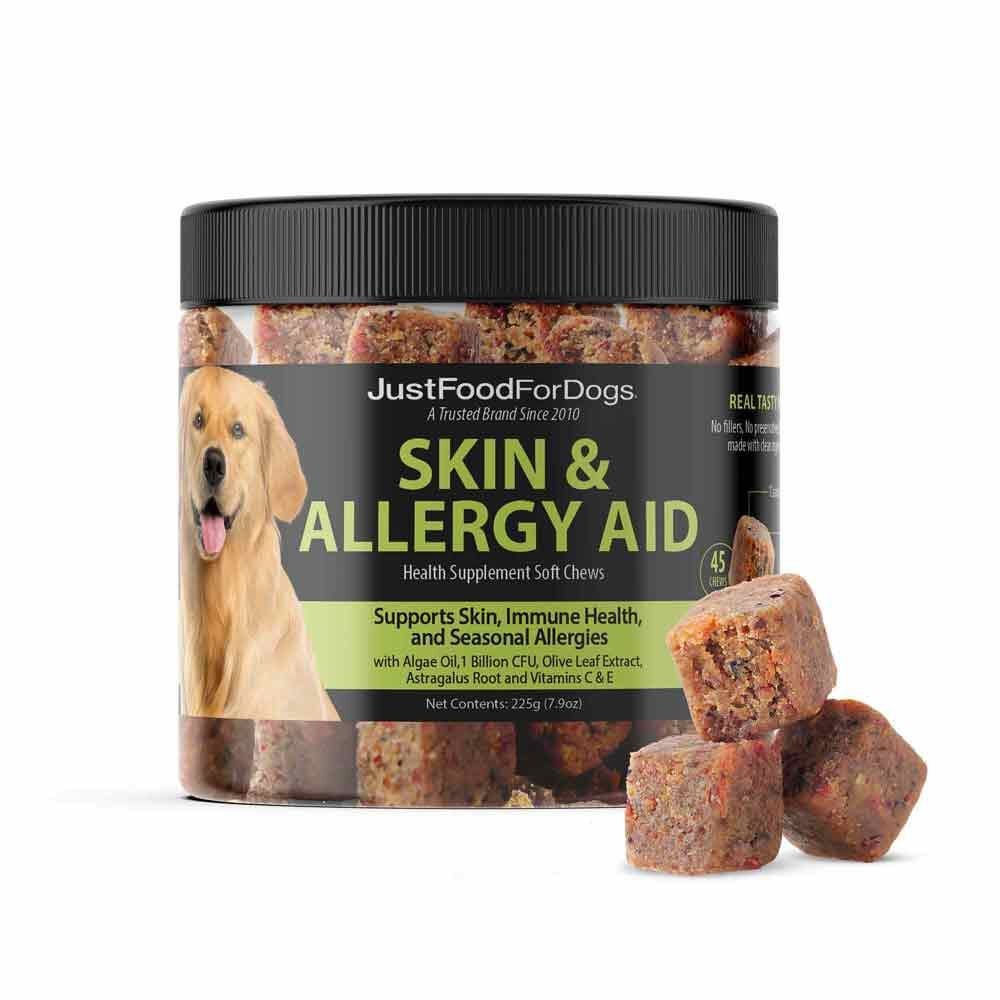
Dogs with food allergies need carefully selected, highly digestible ingredients that avoid their specific triggers. In many cases, veterinarians recommend:
- Hydrolyzed protein diets (proteins broken into tiny pieces less likely to cause reactions)
- Novel protein diets (such as duck, venison, or rabbit instead of chicken or beef)
- Limited‑ingredient formulas that reduce the number of potential allergens
For dogs with confirmed allergies, therapeutic veterinary diets are often the safest choice, because they are produced under strict quality control and have strong evidence behind them. Over‑the‑counter “hypoallergenic” foods may help mild cases, but owners should consult a veterinarian for proper diagnosis and an elimination diet before choosing long‑term food.
Protein vs. grain allergies
Many dogs with “allergies” actually have reactions to proteins, not grains. The immune system usually targets animal proteins such as chicken, beef, dairy, or egg. Grain reactions (to rice, corn, wheat) are far less common.
| Type of allergy | More common cause | Typical examples |
|---|---|---|
| Protein allergy | Yes | Chicken, beef, dairy, egg, sometimes soy |
| Grain allergy | Rare | Wheat, corn, barley, rice |
If symptoms improve with a grain‑free food but the protein also changed, the improvement likely comes from a new protein source, not from removing grains.
Hydrolyzed and novel protein diets
Hydrolyzed protein diets use proteins broken into very small fragments so the immune system cannot recognize them as allergens. They are often prescribed for moderate to severe food allergies or when the trigger ingredient is unclear. Novel protein diets use uncommon meats such as venison, duck, or kangaroo, aiming to avoid previously eaten proteins.
In general, hydrolyzed diets are more suitable for dogs with complex or multiple allergies, while novel protein diets are often tried first for mild to moderate cases. Both options should be introduced under veterinary guidance and fed exclusively for several weeks to accurately evaluate effectiveness.
Best Fresh and Human‑Grade Dog Food
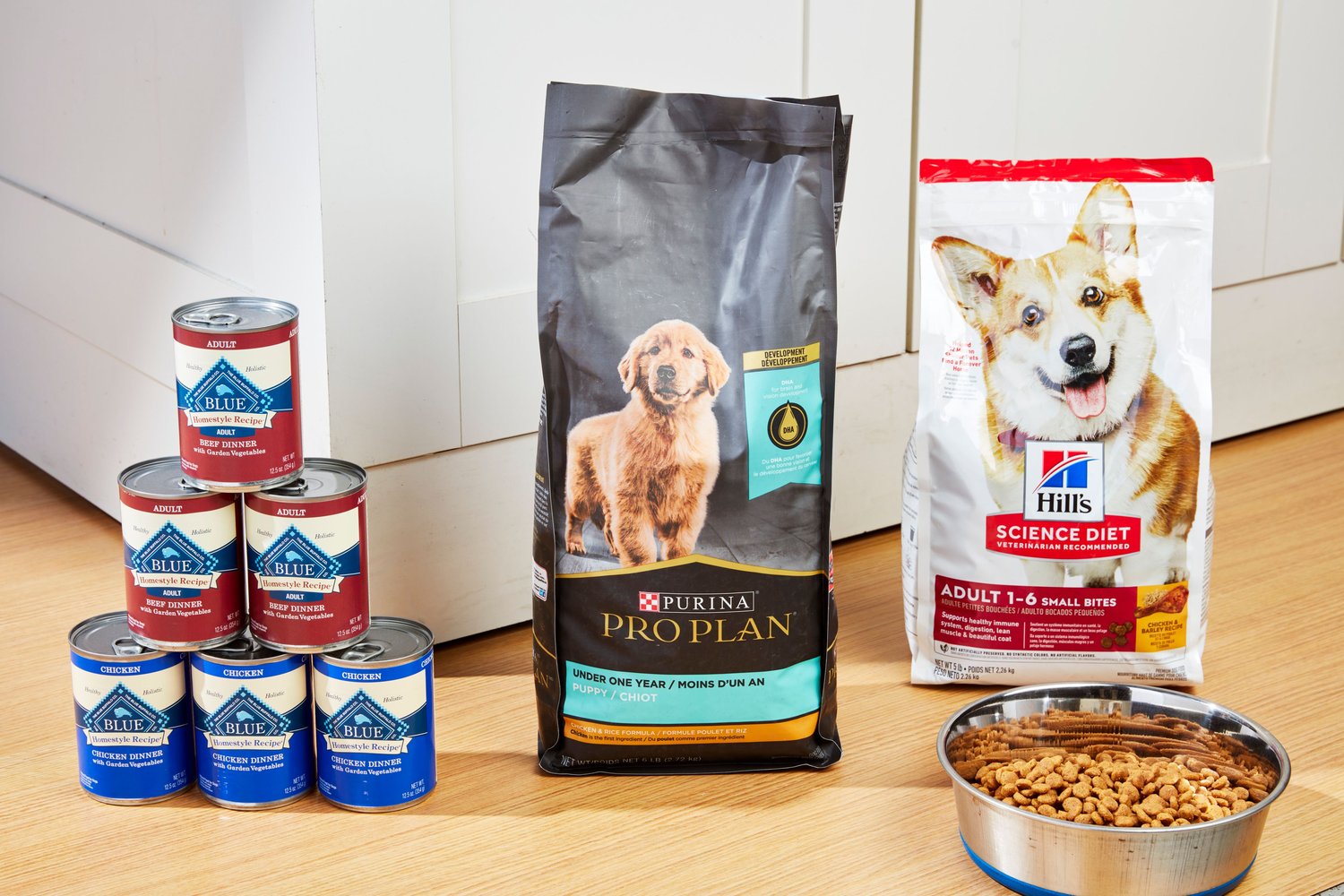
Fresh and human‑grade dog food uses ingredients that are legally fit for human consumption and handled in cleaner facilities than many standard kibbles. Recipes are often gently cooked or lightly processed to preserve nutrients and flavor. The main appeal is high ingredient transparency and palatability, which can help picky eaters, dogs with sensitive digestion, and owners who prefer a "home‑cooked" style diet without losing complete and balanced nutrition. Cost and fridge/freezer space are the main trade‑offs.
How fresh food differs from kibble
Fresh and human‑grade meals are made from lightly cooked or raw ingredients that look similar to human food, while kibble is a highly processed, baked or extruded dry product. Fresh food usually has higher moisture, fewer preservatives, and shorter shelf life, so storage in the fridge or freezer is needed. Kibble is convenient, cheaper per calorie, and easier to store, but processing may reduce some heat‑sensitive nutrients.
Top fresh food brands vets trust
Fresh and human‑grade brands focus on minimally processed meat, clear labeling, and small‑batch production. Below are options many veterinarians frequently recommend as nutritionally balanced and tightly quality‑controlled.
| Brand (examples) | Main features | Good fit for |
|---|---|---|
| The Farmer’s Dog | Fresh, pre‑portioned, shipped frozen, uses board‑certified veterinary nutritionists | Owners wanting convenience and tailored calories |
| Nom Nom | Gently cooked recipes, detailed nutrient info, customizable plans | Dogs needing digestive support or weight control |
| Ollie | Human‑grade meats, clear sourcing, mixes well with kibble as topper | Picky eaters and first‑time fresh feeders |
| JustFoodForDogs | Open kitchens, prescription and daily diets, vet‑formulated | Dogs with medical conditions needing specific recipes |
For any fresh food, owners should confirm an AAFCO‑compliant complete and balanced claim, check storage and handling instructions, and introduce new meals gradually to avoid stomach upset.
Best Budget Dog Food That’s Still Safe
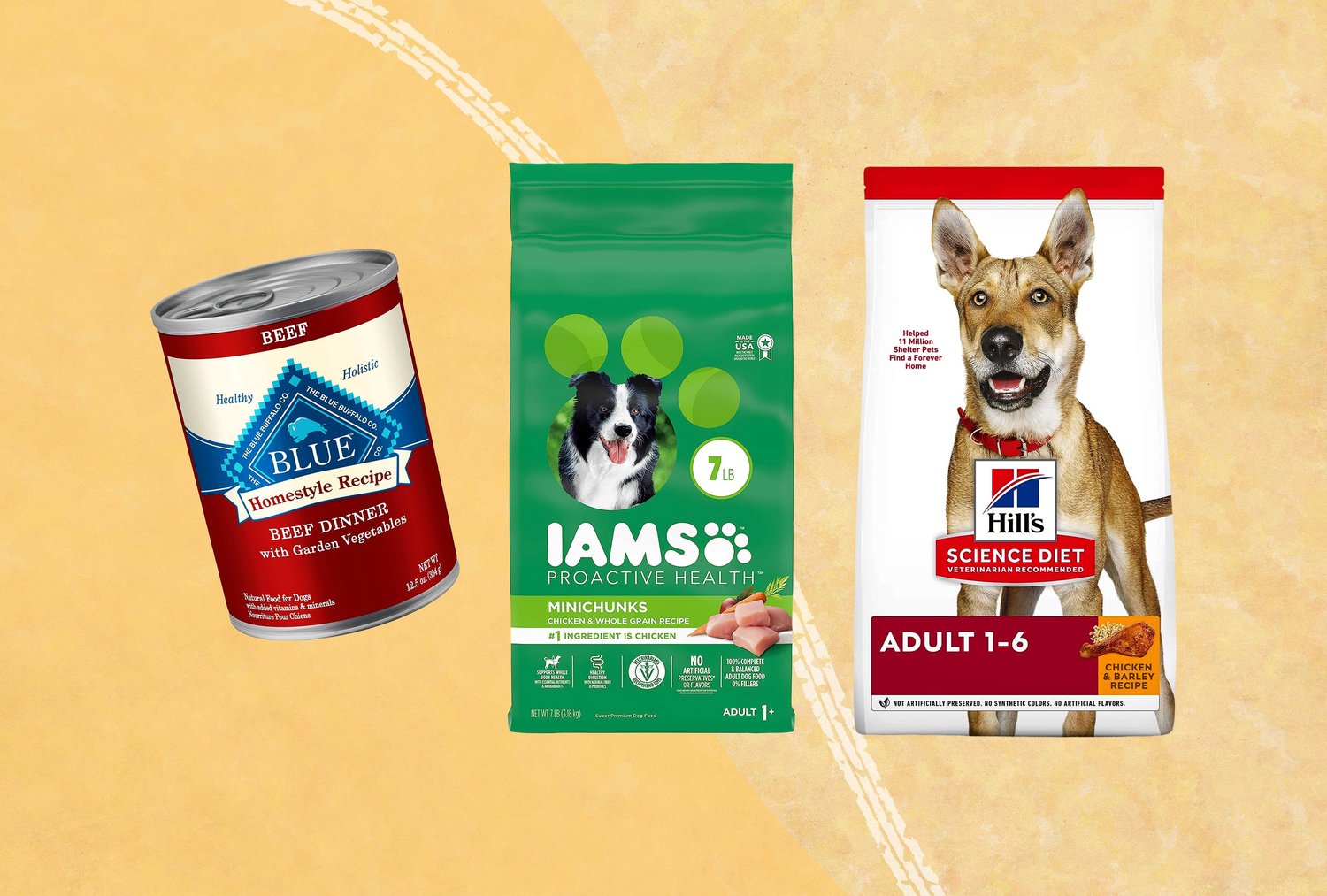
Budget dog food can still be nutritious and safe when chosen carefully. Key points are AAFCO adequacy, reliable manufacturers, and balanced ingredients rather than fancy marketing. Prioritize complete and balanced formulas, clear labeling, and a stable recall history. Compromises often occur in meat quality or extras like fresh produce, but core nutrition can remain sound. Owners are encouraged to invest more in health checks and portion control rather than premium packaging or trendy ingredients.
Where it’s okay to save money
Dog owners on a budget do not need the most expensive formula to feed dogs safely. It is usually fine to save money on protein source, packaging, and extra “superfood” add‑ons.
| Area you can save | Reason |
|---|---|
| Chicken vs. exotic meats | Common proteins are cheaper yet nutritious |
| Basic packaging | Fancy bags do not change nutrition |
| No trendy add‑ins | Kale, kelp, or truffle are rarely essential |
Instead, money should go toward complete and balanced nutrition, reputable manufacturing, and appropriate portion size.
Affordable brands with solid nutrition
Budget‑friendly dog foods can still offer complete and balanced nutrition when backed by solid research and quality control. Many vets often mention large brands such as Purina Pro Plan, Hill’s Science Diet, Iams, and Eukanuba as cost‑effective choices, because they invest in feeding trials and safety testing. When choosing an affordable option, prioritize an AAFCO‑compliant label, clear meat protein sources, and a stable manufacturer with a good recall history rather than fancy packaging or trendy claims.
Dog Food Safety, Recalls, and Warnings
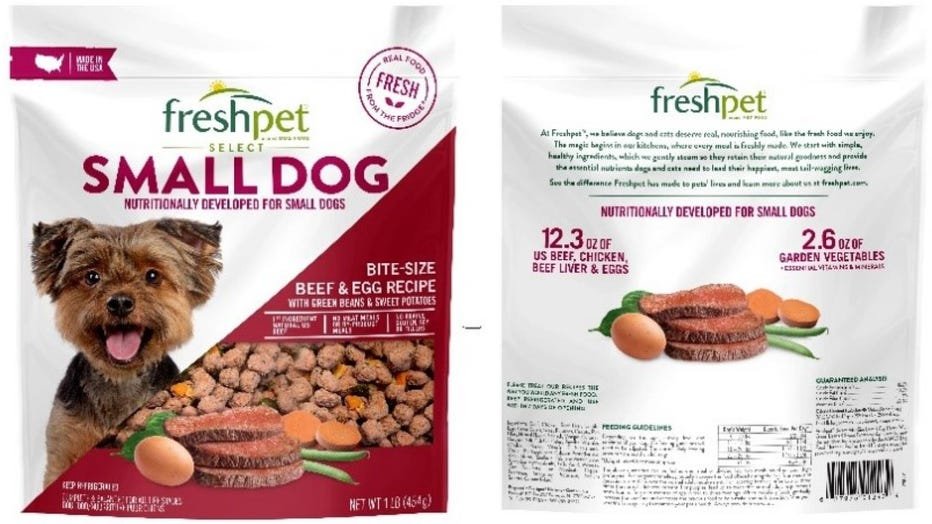
Dog food safety directly affects a dog’s health, so owners need to stay alert. Major risks include contamination, nutrient imbalances, and improper storage at home. Before purchase, checking brand recall history and lot numbers is helpful. After opening, sealing the bag, keeping it cool and dry, and using food within the recommended period reduce oxidation and mold. If vomiting, diarrhea, or sudden refusal to eat occurs after starting a new food, stopping feeding and consulting a veterinarian promptly is important.
Common contaminants and risks
Dog food can be exposed to several harmful contaminants before reaching the bowl. Typical problems include Salmonella or Listeria bacteria, which may cause vomiting, diarrhea, and fever in dogs and can infect humans handling the food. Mold toxins (mycotoxins) from poorly stored grains may damage the liver and nervous system.
Chemical risks also exist. Excess or deficiency of vitamins and minerals, especially vitamin D and copper, can lead to serious illness. Metal fragments or plastic pieces from manufacturing equipment are sometimes found and may injure the mouth or gut. Owners should pay attention to sudden odor changes, visible mold, insects, or unusual oiliness, and stop feeding the product if anything seems abnormal.
How to check for recent recalls
Dog food recalls are announced mainly by the FDA (in the U.S.) and the manufacturer. To check recent recalls, it is recommended to:
- Visit the FDA pet food recall page and sort by date
- Check the brand’s official website and social media
- Register email alerts from trusted pet news or veterinary sites
- Confirm the brand, product name, lot number, and best‑by date on the package
If information seems unclear, contacting customer service or a veterinary clinic directly is advisable.
What to do if your dog’s food is recalled
If your dog’s food is recalled, it is important to stay calm and ensure safety first. The following steps will help you feel safer:
- Check the “brand name, product name, expiration date, and lot number” on the bag or can to verify if it is indeed the recalled product.
- If it is the recalled product, immediately stop feeding it and keep all packaging, including unopened items (to keep as evidence).
- If your dog has already eaten it, observe their energy level, appetite, vomiting, diarrhea, and urine color, and consult a veterinarian if you notice any abnormalities.
- Follow the manufacturer's or retailer's instructions to proceed with refunds, exchanges, etc.
- For future reference, choose a reliable alternative food in consultation with your veterinarian, and avoid a sudden switch; gradually transitioning is recommended.
"
How to Read Dog Food Reviews Smartly
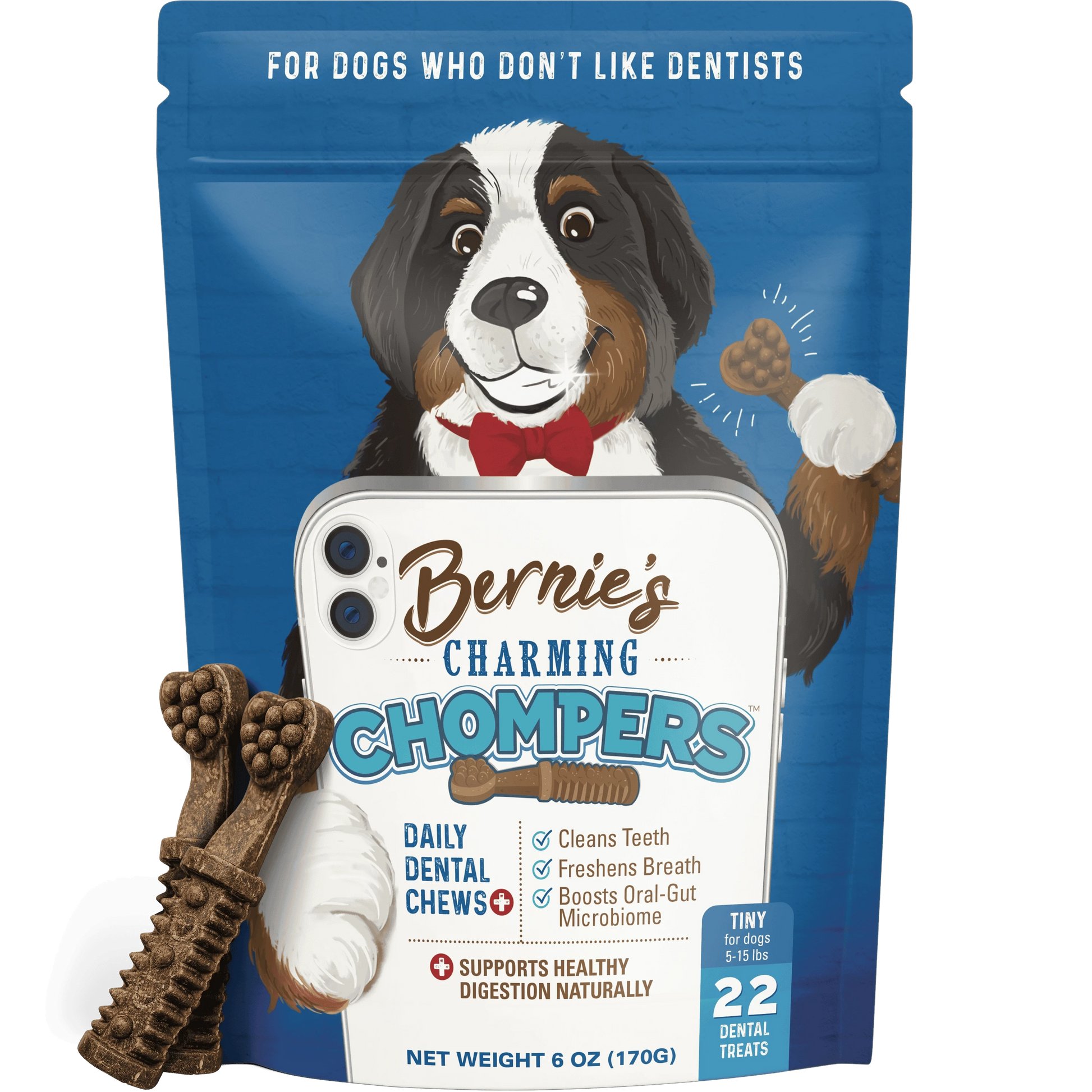
Dog food review sites are helpful, but they should be treated as one reference, not the final answer. Many ratings focus heavily on ingredient lists and may not reflect real‑world results, safety data, or veterinary opinion. When reading reviews, check who operates the site, how funds are earned, and whether veterinarians or nutritionists are involved. Finally, compare any recommendation with your dog’s age, health, and your veterinarian’s guidance before changing food.
Marketing claims vs. real quality
Dog food packaging often highlights phrases such as "grain‑free," "holistic," or "human‑grade", but marketing terms are not strictly regulated. Real quality is judged by complete and balanced nutrition, AAFCO compliance, and transparent ingredient lists. Owners should focus on protein source, nutrient profile, and company safety record rather than attractive photos or buzzwords. When unsure, veterinary guidance offers a more reliable standard than advertising or star ratings.
Red flags in ingredient lists
Ingredient lists can reveal many red flags. Key points are:
| Red flag | Why it is a concern |
|---|---|
| Vague meats like “meat meal,” “animal fat” | Source is unclear and quality may vary |
| Sugar, corn syrup, caramel color | Unnecessary calories; can worsen weight and dental issues |
| Many artificial colors or flavors | Added for humans, not dogs; some increase sensitivity risk |
| Excessive plant proteins (pea, lentil protein high on list) | May inflate protein numbers without enough animal protein |
| Long list of preservatives (BHA, BHT, ethoxyquin) | Older synthetic preservatives; safer options are preferred |
Owners are encouraged to favor clear animal protein sources, simple formulas, and minimal additives.
Balancing ratings with your vet’s advice
Online star ratings and dog food rankings are helpful, but they cannot replace individual veterinary guidance. Reviews reflect other dogs’ experiences, not each reader’s dog.
Use ratings to narrow options, then discuss short‑listed foods with a veterinarian. Share ingredients, guaranteed analysis, and AAFCO statement. A veterinarian can check for health concerns such as allergies, kidney or heart disease, weight issues, or age‑related needs and may adjust portions or recommend a different formula even if a product is highly rated.
Choosing the Right Food for Your Dog

Choosing dog food starts with your individual dog, not the package design. Age, size, health status, and daily activity all influence the ideal diet.
First, confirm the food matches your dog’s life stage (puppy, adult, senior) and size category (small, medium, large). Next, consider health needs such as sensitive stomach, joint care, kidney support, or weight control. Finally, observe stool quality, coat condition, and energy levels; good food usually leads to firm stools, a shiny coat, and stable weight.
If confusion remains, bringing photos of labels and your dog’s recent weight history to a veterinary consultation helps narrow down the safest choices.
Matching diet to lifestyle and activity
A dog that hikes on weekends and plays daily needs more calories than a quiet lapdog. Activity level strongly affects ideal food choice. Very active dogs often do well on formulas with higher protein and fat, while indoor or low‑energy dogs benefit from more controlled calories and fiber. Working, sporting, or highly trained dogs may need performance diets, but many family pets do not. When in doubt, owners can ask a veterinarian to match energy density and feeding amount to the dog’s usual day.
Body condition, weight, and portion size
Even with the best food, maintaining health becomes difficult if the portion size and body shape management are not appropriate. An ideal body condition is when your dog has a defined waist when viewed from above and a slightly toned belly when viewed from the side. The ribs should be palpable but not protruding.
Daily calorie requirements vary depending on weight, age, and activity level. The feeding amount on the package is only a ""guideline,"" so it's safest to observe your dog's weight and body shape for about two weeks and gradually increase or decrease the amount within a 10% range. Keeping treats and toppings within 10% of the total daily calories will also help reduce the risk of obesity.
Switching foods safely without stomach upset
Suddenly changing food can easily cause diarrhea and vomiting, even in healthy dogs. It is considered safe to switch gradually over 7-10 days.
A typical switching schedule is as follows:
| Number of days | Old food | New food |
|---|---|---|
| 1st to 2nd day | 75% | 25% |
| 3rd to 4th day | 50% | 50% | Days 5-6 | 25% | 75% |
| Day 7 and beyond | 0% | 100% |
If loose stools, decreased appetite, or vomiting are observed, it is safe to reduce the proportion of the new food and return to the previous proportion to observe the dog's condition. It is recommended to proceed more slowly with puppies, dogs with sensitive digestive systems, and senior dogs."
Treats, Toppers, and Supplements
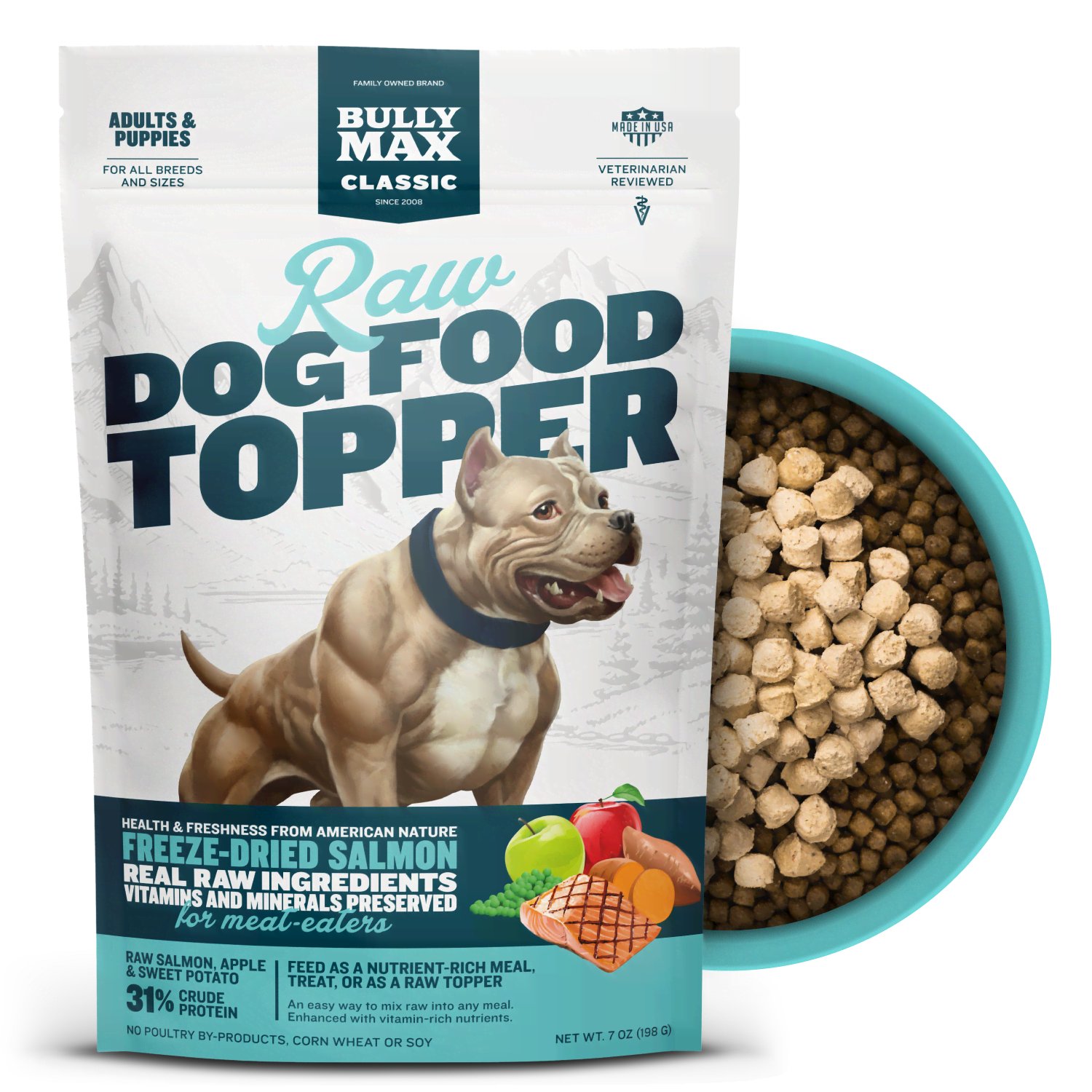
Healthy extras can support a main diet, but too much can unbalance nutrition. Treats should stay under 10% of daily calories to avoid weight gain. Choose simple ingredient treats, avoiding excess fat, sugar, and salt. Toppers, such as moist food or lightly cooked meat, can boost aroma and hydration but must not replace a complete diet. Supplements like omega‑3, joint support, or probiotics should be used only when needed and ideally under veterinary guidance to prevent overdose or interactions.
Using toppers to improve picky eating
Food toppers help many picky dogs eat more willingly by adding aroma, moisture, and variety. Key point: choose toppers that keep the overall meal balanced, not just tasty. Good options include a spoon of wet food, low‑sodium broth, plain cooked meat or fish, or commercial freeze‑dried toppers.
Use only a small amount (usually under 10–15% of total calories) so the main food still provides complete nutrition. Rotate flavors gradually, and avoid salty, fatty, or highly seasoned human foods. If sudden pickiness appears or a dog loses weight, consulting a veterinarian is recommended before relying on toppers.
When supplements make sense
Supplements are most useful when filling a clear gap in a dog’s diet or supporting a specific health problem. Typical examples include joint support (glucosamine, chondroitin), omega‑3 fatty acids for skin, coat, and inflammation, and probiotics for digestive balance. Supplements may also help in kidney, heart, or cognitive support, but only under veterinary guidance. If a dog already eats a complete, balanced diet, extra vitamins or minerals are usually unnecessary and can even be harmful. Always consult a veterinarian before starting any supplement and avoid products with vague claims or unclear ingredient amounts.
How many treats are too many?
Many dogs get far more calories from treats than owners realize. As a general guideline, treats should make up no more than about 10% of a dog’s daily calories. The remaining 90% should come from a complete and balanced dog food.
A simple check:
| Dog size | Approx. daily calories* | Max from treats (10%) |
|---|---|---|
| Small (5–10 kg) | 300–500 kcal | 30–50 kcal |
| Medium (10–25 kg) | 500–900 kcal | 50–90 kcal |
| Large (25–40 kg) | 900–1,300 kcal | 90–130 kcal |
Values are rough estimates. High‑value training treats can be cut into tiny pieces, or counted as part of the daily food allowance. Weight gain, softer stools, or begging between meals often signal too many treats* and a need to adjust portions.
This article introduces nine veterinarian-recommended dog food products for 2024, based on the latest reviews. We carefully explain how to choose the right food for your dog, comparing safety, nutritional balance, and price.





![[Dog Names] Is the Japanese name boom here?! Ranking of Japanese dog names!](https://with-my-dog.com/wp-content/uploads/2021/10/adtDSC_0871-150x150.jpg)



![5 sites for finding foster homes for rescued dogs and cats [Basic information before rescuing]](https://with-my-dog.com/wp-content/uploads/2021/09/andriyko-podilnyk-M4NYOsSre6g-unsplash-150x150.jpg)