


For dog owners who believe their dog's health starts with their daily diet, choosing "the right bag" from the countless dog foods available is no easy task. This article focuses on "comparing dog food" and explains the key points to check in 2024 in seven steps. We will provide a clear and objective comparison of factors that can be confusing, such as ingredients, safety, price, and suitability for your dog's age and constitution, offering a framework for making informed decisions.
Why comparing dog food really matters
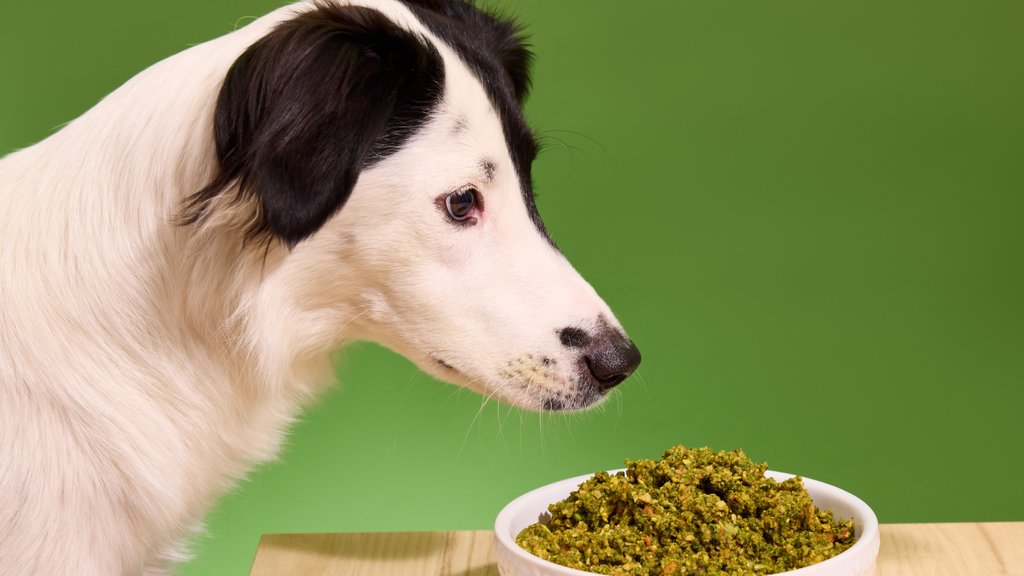
Many dog foods look similar on the shelf, but the differences in quality, safety, and nutrition are large. A suitable food supports healthy weight, digestion, skin, coat, and energy. An unsuitable food can worsen allergies, upset the stomach, or slowly cause health problems.
Comparing dog food carefully also prevents overpaying for attractive packaging or marketing terms. By checking ingredients, nutrients, recalls, and cost per day, owners can match food to the dog’s real needs, not to advertising. In short, a little comparison greatly improves a dog’s long‑term health and comfort.
Dog food comparison at a glance
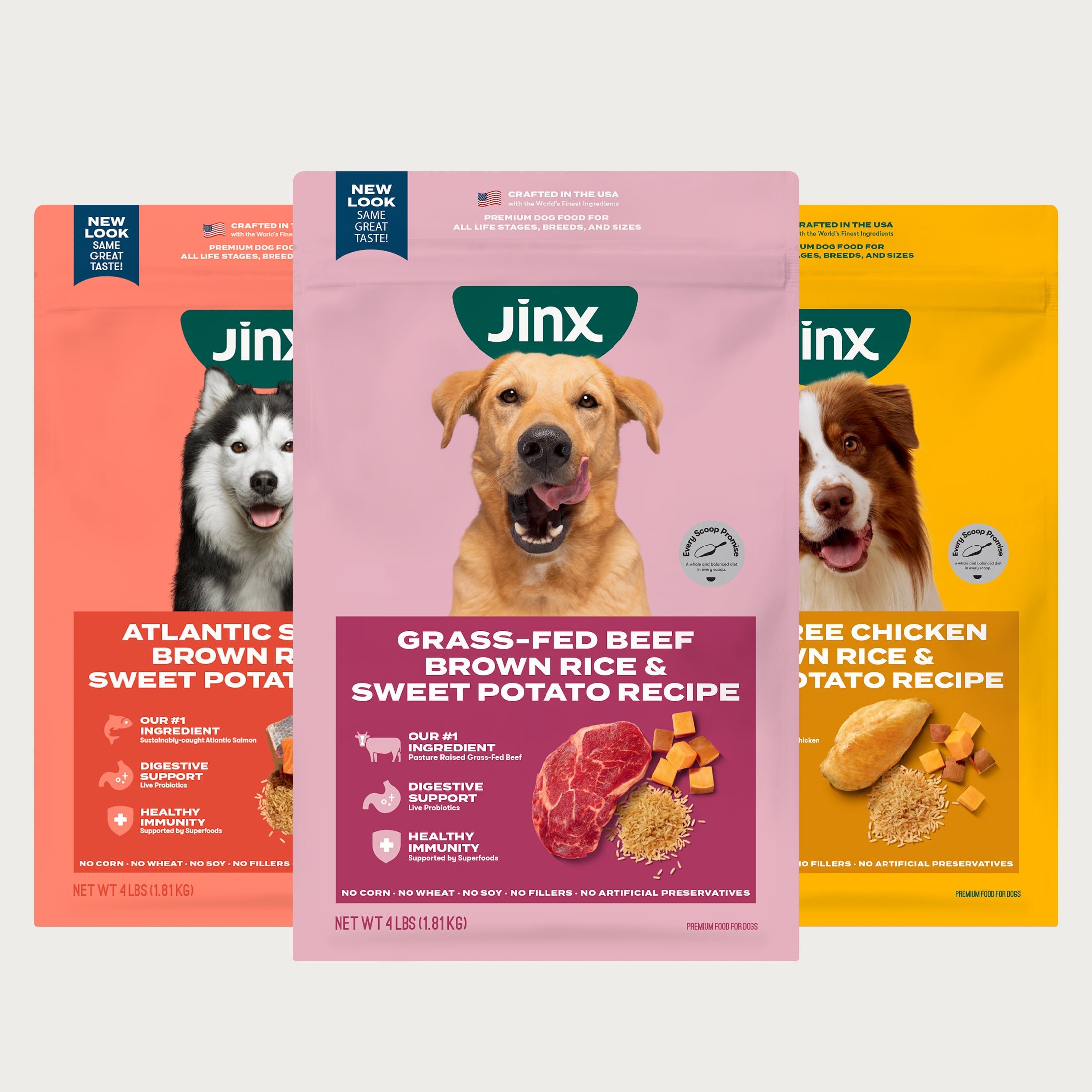
A quick comparison helps owners narrow many brands into a few realistic options. Focus on three core axes: nutrition, safety, and cost. In practice, many people compare:
| Point | What to check briefly |
|---|---|
| Basic nutrition | AAFCO statement, protein and fat levels, life stage |
| Ingredients quality | Main animal protein, grain or grain‑free, additives |
| Safety | Recall history, manufacturing transparency |
| Cost vs value | Cost per day, bag size, feeding amount |
By scanning these items, owners can quickly judge which dog foods deserve closer review.
Dog Food dog food comparison checklist
A handy checklist helps owners compare dog food calmly and objectively. The following points are useful to review for every candidate:
- Life stage and size (puppy, adult, senior, small/large breed)
- AAFCO nutritional adequacy statement
- Main protein source and ingredient quality
- Grain use and type of carbohydrates
- Additives, artificial colors, and preservatives
- Calorie density and feeding amount
- Brand safety record and past recalls
- Cost per day and ease of purchase
- Your dog’s condition after feeding (stool, coat, energy)
By checking the same items each time, owners can make a fair dog food comparison without being misled by advertising.
Step 1: Know your dog’s unique needs
Every dog has different nutritional requirements, so a fair dog food comparison must start with the individual dog, not the package design. Breed, age, body size, lifestyle, and current health all influence how much energy, protein, and specific nutrients are appropriate. A calm senior indoor dog, for example, needs a very different formula than a growing large‑breed puppy or a working dog.
Before comparing brands, owners benefit from listing key facts about their dog: age, weight, ideal body condition, activity level, known allergies, and any diagnosed diseases. That simple profile becomes a baseline for every later decision, from choosing food type to judging price and value.
Age, size, and activity level
Age, body size, and daily activity strongly influence how much energy and nutrients a dog needs. Puppies, for example, require calorie‑dense food that supports growth, while seniors often do better with controlled calories and joint support. Small breeds usually burn energy faster and benefit from smaller, nutrient‑rich kibble; large breeds need carefully balanced minerals to protect bones and joints. Very active or working dogs require higher protein and fat, while indoor or less active dogs need fewer calories to prevent weight gain.
Health issues and allergies
Health conditions strongly influence dog food comparison. Dogs with allergies, sensitive stomach, or chronic disease often need tailored formulas.
Common issues include skin itchiness, diarrhea, vomiting, ear infections, and gas after meals. In many cases, the cause is protein source or certain grains. Limited‑ingredient, hypoallergenic, or veterinary diets may help.
Always record which foods cause symptoms. Careful tracking makes it easier to compare brands and avoid problem ingredients.
When to ask your vet for input
Food choices should involve a veterinarian when a dog has chronic health issues such as kidney, liver, heart disease, diabetes, or pancreatitis. Professional advice is also important for puppies, seniors, pregnant or nursing dogs, and dogs with repeated digestive upset, weight loss, or itching.
Consultation is recommended before starting raw diets, home‑cooked menus, or extreme weight‑loss plans. A veterinarian or veterinary nutritionist can create a tailored plan and help monitor bloodwork, body condition, and long‑term safety.
Step 2: Learn the main dog food types
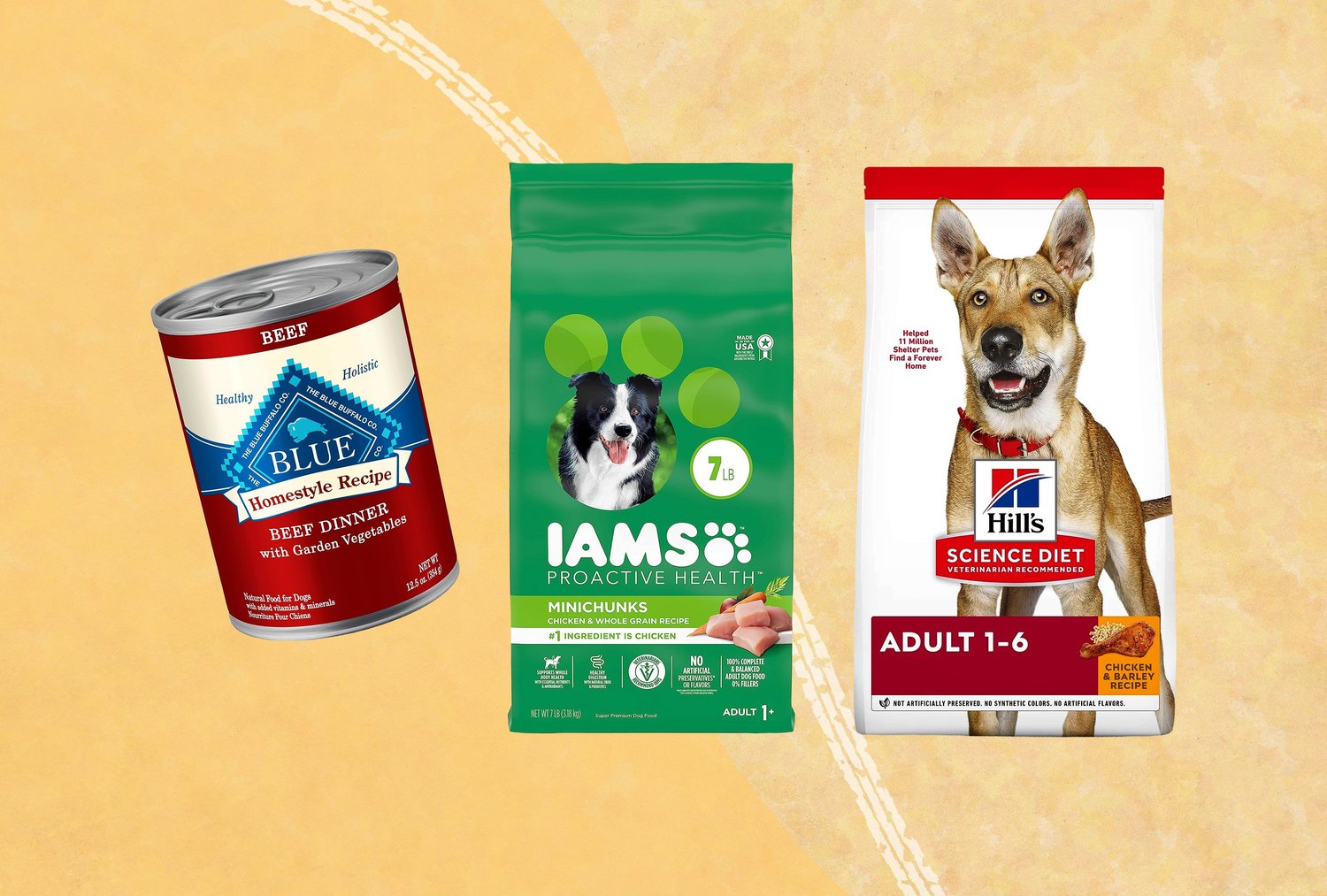
Different dog food types offer very different textures, shelf lives, and nutritional profiles. Understanding the basics helps prevent confusion when comparing brands. Each type has strengths and trade‑offs in convenience, cost, and freshness. When choosing, owners should consider daily routine, storage space, budget, and the dog’s chewing ability and digestion.
The next sections explain common formats such as dry, wet, semi‑moist, fresh, raw, and freeze‑dried, plus how they fit into a balanced, complete diet.
Dry, wet, semi‑moist, and fresh
Each main dog food type has pros and cons, so comparing them helps match a dog’s lifestyle and health.
| Type | Main features | Merits | Points to note |
|---|---|---|---|
| Dry (kibble) | Low moisture, crunchy pellets | Convenient, usually most economical | Some dogs drink less water; quality varies |
| Wet (canned/pouches) | High moisture, soft texture | Palatable, helps hydration | Higher cost per meal, shorter fridge life |
| Semi‑moist | Soft, chewy, often in pouches | Easy to feed as treats or toppers | Often higher in sugar and salt, less common |
| Fresh (chilled/fully cooked) | Gently cooked, stored chilled or frozen | Very tasty, close to “home‑cooked” feel | Higher price and needs fridge/freezer space |
For many households a high‑quality dry food plus wet, semi‑moist, or fresh as toppers offers a good balance of nutrition, enjoyment, and cost.
Raw and freeze‑dried options
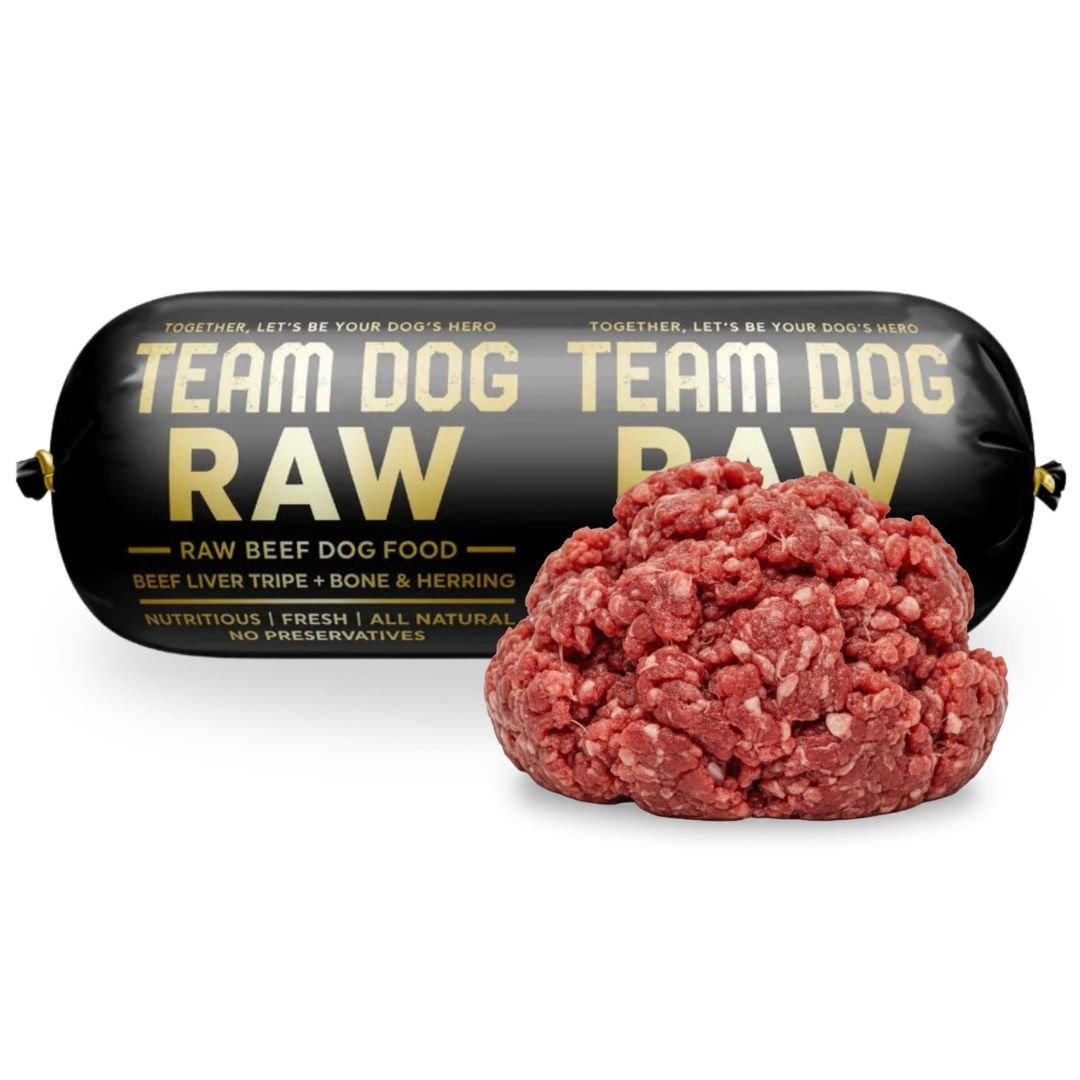
Raw and freeze‑dried foods use minimal heat, so nutrients and flavor remain closer to those in fresh meat. Many dogs find them very palatable, and stool volume may decrease. However, bacterial risk is higher, especially for children, elderly people, and immunocompromised owners living in the same home.
Freeze‑dried products are lighter and store well; many require rehydration before feeding. Cost per meal is usually higher than kibble. For safe use, owners should follow hygiene rules, avoid cross‑contamination in the kitchen, and consult a veterinarian before feeding raw to puppies or sick dogs.
Complete diets vs toppers and treats
Complete diets are formulas that provide all required nutrients in the right balance when fed according to the feeding guide. Kibble, wet, raw, or fresh foods can all be complete diets if they meet AAFCO standards.
Toppers and treats are different. Toppers (like freeze‑dried meat, gravy, or vegetables) are designed to enhance taste or add variety, not to be the main meal. Treats are mainly for rewards and training. Both are usually not nutritionally complete and should make up only a small portion of daily calories.
Use complete diets as the nutritional base, and use toppers or treats carefully to keep the diet balanced and avoid excess calories.
Step 3: Decode the ingredients list
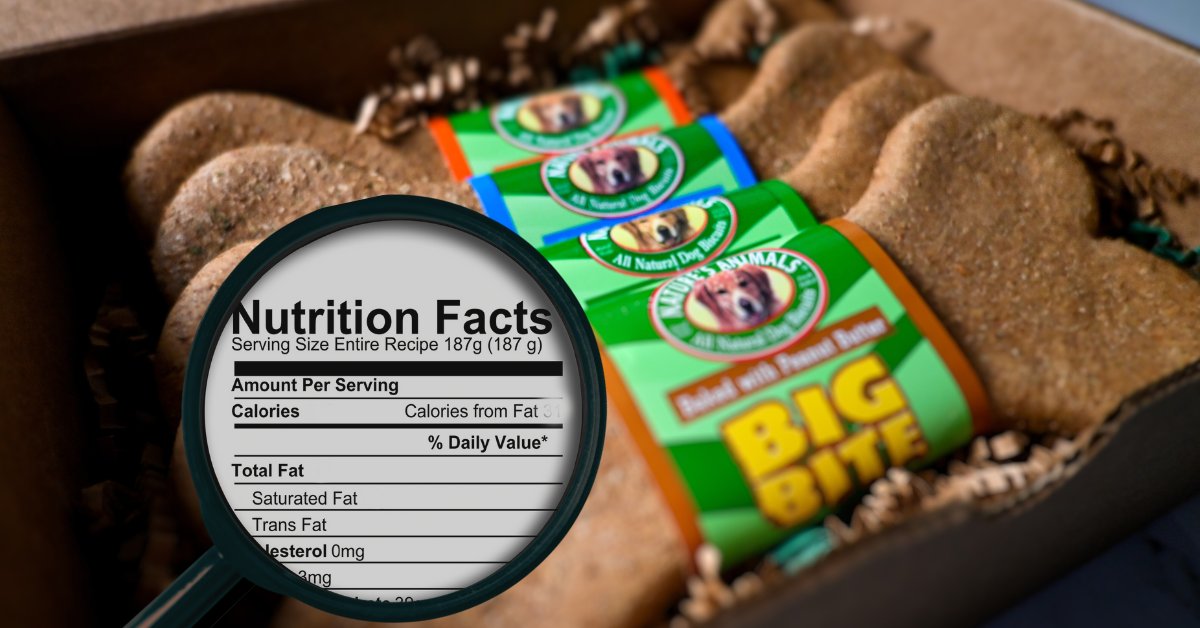
Understanding the ingredients list is the core of any dog food comparison. Ingredients are listed in order of weight, so the first few items show where most nutrition comes from. Look for a clearly named animal protein (such as chicken or salmon) near the top, and avoid vague terms like “meat” or “animal digest.” The following subsections explain proteins, carbs, and additives in more detail so owners can judge quality at a glance.
Animal proteins and by‑products
Animal protein is the core of good dog food. Look for named meats such as chicken, beef, salmon, or turkey at the top of the ingredients list. "Meat meal" or "chicken meal" can be highly nutritious because water is removed and nutrients are concentrated.
By‑products are organs and parts not commonly eaten by humans. Named by‑products (for example, "chicken by‑product meal") can provide minerals and amino acids, but vague terms like "meat by‑product" are less trustworthy. Avoid foods where unnamed by‑products or plant proteins replace most of the animal protein.
Grains, carbs, and fillers
Carbohydrates in dog food mainly come from grains and plant ingredients. Well‑chosen carbs provide energy and fiber, supporting digestion and steady blood sugar. Good sources include brown rice, oats, barley, and sweet potato.
"Fillers" usually means low‑nutrient ingredients used to bulk up food, such as excess corn gluten, wheat middlings, or cellulose. A moderate amount of grains can be healthy, but foods where fillers dominate the top ingredients often offer lower nutritional value. Always check whether nutrient‑rich ingredients appear before cheaper carb sources.
Additives, colors, and preservatives
Additives, colors, and preservatives influence both safety and nutritional value. Safe additives include vitamins, minerals, probiotics, and natural antioxidants like mixed tocopherols. On the other hand, artificial colors and flavors add no health benefit and may irritate sensitive dogs. Prefer foods with short, clear ingredient lists and natural preservatives, and be cautious when many chemical names appear high in the list or when color is used to appeal mainly to humans.
Step 4: Check nutrients and AAFCO claim

When comparing dog food, it's important to check not only ""what's in it"" but also ""what kind of nutritional balance it has and what standards it meets"". Labels may include guaranteed analysis values (protein, fat, fiber, moisture, etc.) along with information on whether the food meets standards such as AAFCO.
AAFCO is the organization that sets the nutritional standards for pet food in the United States, and if a food meets the standards set by AAFCO, it can be labeled as ""complete and balanced nutrition."" Especially during puppyhood and senior years, choosing a life-stage food that meets AAFCO standards is a good indicator of safety. Making it a habit to check nutritional values and AAFCO labeling together will make it easier to compare dog food more objectively.
Protein, fat, fiber, and calories
Protein, fat, fiber, and calories form the core of any dog food comparison. Protein supports muscles and immunity, fat supplies energy and a shiny coat, fiber aids digestion, and calories show overall energy density. For most adult dogs, higher-quality protein and moderate fat are more important than high calories. Very active or working dogs may need more fat and calories, while indoor or senior dogs often do better with fewer calories and slightly higher fiber to help with weight control and satiety.
Life-stage and AAFCO statements
AAFCO (Association of American Feed Control Officials) statements are an important indicator of the life stage the food is intended for and whether it meets the nutritional balance standards. Many packages contain phrases such as ""Meets AAFCO standards"" and ""Complete and balanced nutrition,"" and you can find descriptions like:
- Puppy: growth/puppy
- Adult: maintenance/adult
- All life stages: all life stages
Choosing food that matches your dog's age, condition, and life stage is fundamental to maintaining their health.
Comparing labels across brands
It is important to compare labels under the same conditions. First, using ""dry matter equivalent (value excluding moisture content)"" for all foods makes it easier to fairly compare protein and fat. Also, it is easier to understand if you always check the calories and nutritional balance per 100g of food for the same life stage (e.g., adult dog foods) and the same feeding amount. Furthermore, checking the contents of the first 1-5 ingredients, the AAFCO label, and the safety information together allows for a comparison that is not misled by price alone."
Step 5: Look at safety and recalls
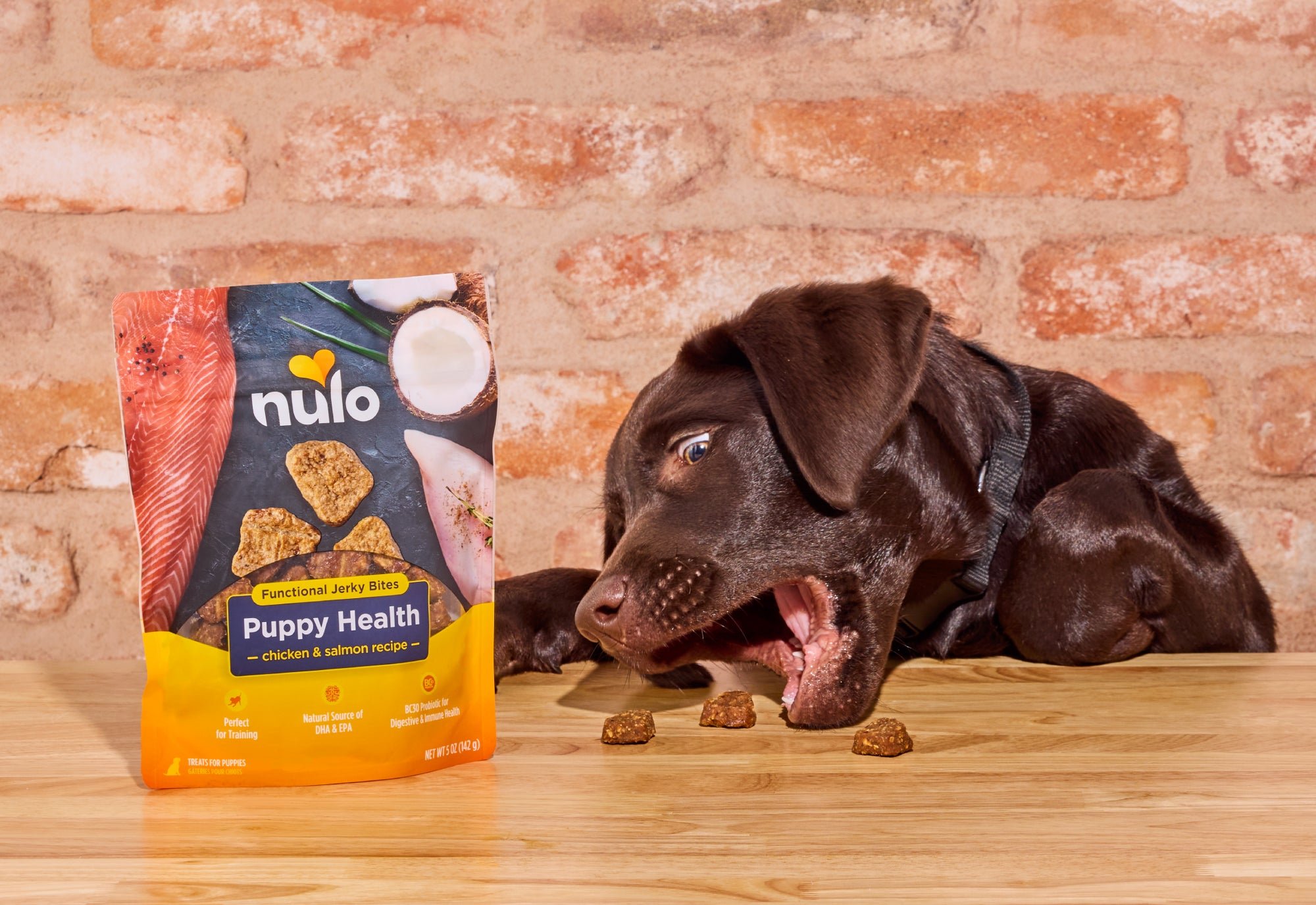
Safety is a core part of any dog food dog food comparison. Even a formula with great ingredients can be risky if the manufacturer has frequent recalls or weak quality control. Before choosing a product, dog owners benefit from checking recall history, quality‑control systems, and transparency about sourcing and testing. Prioritizing brands with strong safety records helps reduce the chance of contamination, sudden diet changes due to recalls, and health problems for the dog.
How contamination can occur
Food can become unsafe at any stage from farm to food bowl. Contamination often starts with raw ingredients: meat meals or grains may carry bacteria such as Salmonella or E. coli, or mycotoxins from moldy crops. In factories, poor hygiene, dirty equipment, or incorrect cooking and drying can leave germs or allow them to grow. Lubricants, cleaning chemicals, or metal fragments may enter food if machinery fails. After production, improper storage or transport in hot, damp, or pest‑infested conditions can also spoil dog food and create serious health risks.
Finding Recall and Warning Updates
For recall information, it's reassuring to check not only the manufacturer's website but also public institutions and specialized media. First, you should check the FDA (Pet Food Recalls) in the US, and the Consumer Affairs Agency and the Ministry of Agriculture, Forestry and Fisheries information pages in Japan. Furthermore, specialized sites such as DogFoodAdvisor allow you to view a list of past recall history and register for email alerts. Searching for ""[brand name] + recall"" on social media or news sites is also an effective way to check for the latest warnings.
Choosing Brands with Strong Oversight
When choosing a brand, a strong safety management system and transparency are important comparison points. Checking whether the company uses its own factory or contract manufacturing, and whether they have veterinarians and nutrition specialists in charge of quality control, will increase your peace of mind. Furthermore, brands that disclose the country of origin of raw materials, factory location, and inspection system (pathogens, heavy metals, nutritional balance, etc.) are more trustworthy. The politeness of their responses to inquiries also provides long-term peace of mind."
Step 6: Compare price and real value
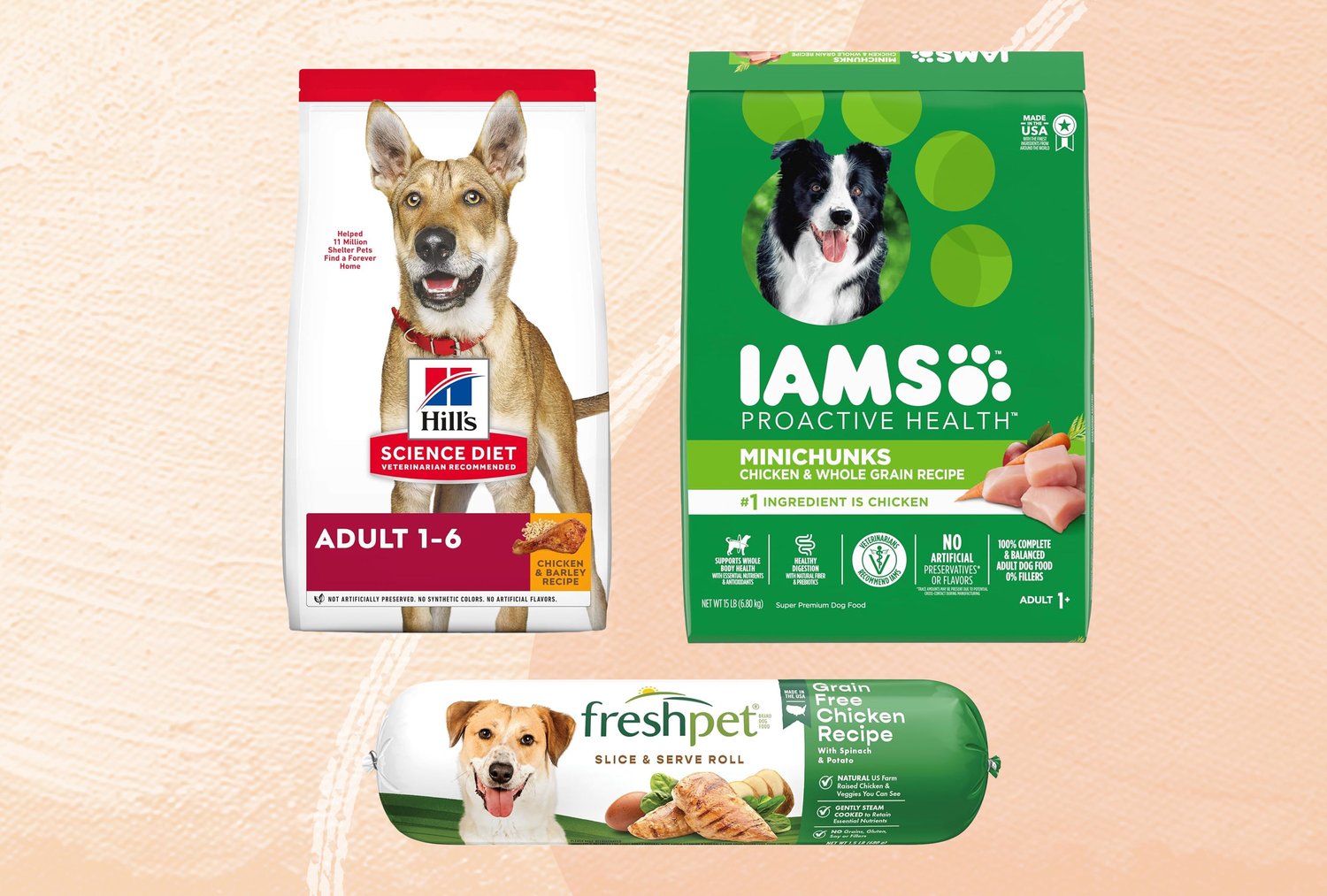
Dog food prices can be confusing, so it is important to focus on real value for your individual dog, not only the number on the bag. A very cheap food often uses low‑quality ingredients, needing larger portions and possibly leading to health issues. A very expensive food is not automatically better either. Good value means: appropriate nutrition for your dog’s age and health, clear labeling and safety, and a cost per day that fits the household budget without sacrificing essential quality.
Cost per day vs price per bag
Many dog foods look cheap until the real daily cost is calculated. A large bag with a low price may require a big serving size, so the cost per day becomes higher than expected. To compare fairly, divide the bag price by the number of days the bag will last based on the feeding guideline. Cost per day shows true value, especially for multi‑dog households and long‑term budgeting.
Premium, budget, and middle options
Premium foods are characterized by high-quality animal protein sources, easily digestible carbohydrates, and an investment in safety, making them suitable for dogs with sensitive constitutions or senior dogs. Budget foods, on the other hand, prioritize price and tend to contain more grains and plant-based proteins. The mid-price range offers a good balance between the quality of the main ingredients and the price, making it a realistic option for many pet dogs. It is important to compare not only the price, but also the feeding amount and your dog's health.
Saving money without risking health
To save money while protecting your dog's health, the most important thing is not to choose based solely on price. First, calculate the cost per day and compare it including the recommended feeding amount; the apparent price difference may be smaller. Also, taking advantage of large packs, subscriptions, and point rewards makes it easier to continue using a reliable food at a good price. On the other hand, extremely cheap pet food may have low-quality protein or contain many unnecessary additives, so it is important to always check the ingredients, AAFCO standards, and safety."
Step 7: Try, observe, and adjust

Choosing dog food is never “set and forget.” Even a carefully compared product may not suit every dog. Step 7 focuses on testing a food in real life, watching the dog’s reaction, and making calm adjustments. Owners look at appetite, stool quality, energy, skin and coat, and weight over several weeks. When needed, small, gradual changes help fine‑tune both nutrition and comfort for the dog.
Switching foods safely
Changing dog food should always be done gradually over 7–10 days to protect the stomach and intestines. A slow switch reduces diarrhea, vomiting, and gas.
A common method is:
| Day | Old food | New food |
|---|---|---|
| 1–2 | 75% | 25% |
| 3–4 | 50% | 50% |
| 5–6 | 25% | 75% |
| 7+ | 0% | 100% |
For puppies, seniors, or dogs with a sensitive stomach, the same steps can be stretched over 10–14 days. If vomiting, bloody stool, or strong lethargy appears, stop the switch and consult a veterinarian promptly.
Signs the food suits your dog
A suitable dog food shows in your dog’s daily condition. Stable energy, a happy mood, and good digestion are key signs. It's also important that stools are of a moderate consistency and quantity, with little gas, diarrhea, or constipation. If your dog's coat and skin are shiny and itchy, it's likely that the nutritional balance is right. Checkpoints include whether your dog's weight hasn't fluctuated suddenly and whether their appetite is stable.
When it’s time to change foods
Even if your dog eats well, the following changes should be considered signs that it's time to change their food.
- Always soft stools, alternating diarrhea and constipation
- Increased itchy skin, rashes, and hair loss
- Persistent vomiting, excessive gas, and frequent bloating
- Sudden weight gain or loss
- Decreased energy and concentration, and reluctance to go for walks
Unless it's a temporary ailment that resolves in a few days, it's important to consult a veterinarian as soon as possible and consider switching to a different food under their guidance."
How expert dog food ratings are done
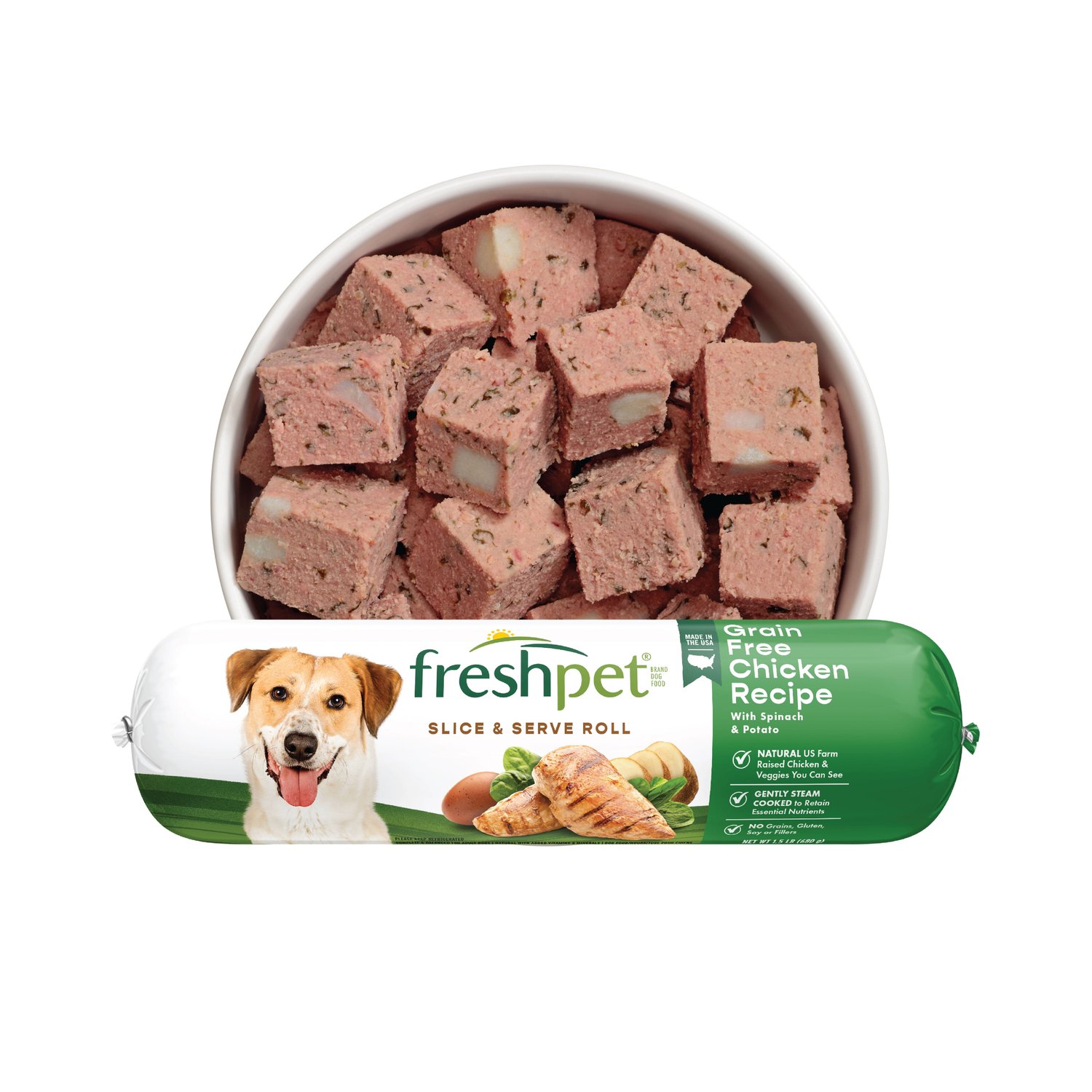
Expert dog food ratings usually follow a structured, repeatable process. Specialists first collect labels, ingredients, and AAFCO statements, then group foods by life stage and type. Many rating systems use a scoring sheet that covers ingredient quality, nutrient balance, recall history, and brand transparency. Some organizations also run laboratory tests for contaminants or nutrient accuracy. Finally, scores are combined into stars, grades, or rankings so owners can compare products quickly.
What reviewers usually measure
Reviewers usually focus on elements that owners find hard to judge alone. Key items include ingredient quality, clarity of the AAFCO statement, and whether the recipe is complete and balanced. Many ratings also score meat content vs fillers, recall history, manufacturing transparency, and presence of artificial colors or preservatives. Some advanced reviews consider digestibility, company nutrition expertise, and value for money based on feeding amount.
Using reviews without over‑relying
Reviews and rating sites are useful, but should be only one tool among many. Scores often reflect ingredient quality and brand transparency, yet cannot fully account for your dog’s age, health, or taste. Use reviews to shortlist products that meet AAFCO standards and have no major recalls. Then compare labels, ask a veterinarian when unsure, and watch your dog’s stool, coat, and energy. If your dog thrives on a food with only average online ratings, the food may still be a good match.
Marketing myths to watch out for

Dog food marketing often focuses on emotional images and catchy phrases rather than nutrition. Owners are encouraged to buy based on packaging, TV commercials, or celebrity endorsements, but none of those guarantee quality. The most common myths involve claims such as “premium,” “vet‑recommended,” or “human‑grade” without clear proof. To avoid being misled, focus on the ingredients list, AAFCO statement, and nutritional analysis instead of advertising language.
“Grain‑free”, “natural”, and buzzwords
Words such as “grain‑free”, “natural”, “holistic”, and “human‑grade” often sound healthier but have limited or unclear legal definitions. Many grain‑free foods simply swap rice or barley for potatoes or peas, which does not guarantee better nutrition. “Natural” mainly means no artificial flavors or colors; it does not promise high‑quality meat or balanced nutrients. Always compare the ingredient list, guaranteed analysis, and AAFCO statement instead of relying on packaging slogans.
Trendy diets vs proven nutrition
Trendy dog diets often sound attractive, but proven nutrition is based on long‑term research and feeding trials. Grain‑free, raw, high‑protein, or home‑cooked plans may suit some dogs, yet they can also create nutrient gaps or raise safety risks if not well designed. In comparison, complete commercial foods that meet AAFCO standards and have veterinary nutritionist oversight provide more predictable, balanced intake. Fashionable formulas can be considered, but priority should go to evidence‑based, complete, and safe nutrition tailored to the individual dog.
Putting it all together for your dog
After comparing types, ingredients, nutrients, price, and safety, the key is choosing what fits your own dog, not the “best” food on paper. Start by shortlisting a few formulas that match age, size, and health. Next, compare labels side by side for AAFCO adequacy, protein quality, and cost per day. Finally, try one food for several weeks, monitor stool, coat, energy, and itching, and adjust calmly rather than chasing every trend.
Simple dog food comparison worksheet
A simple worksheet helps compare dog foods fairly. Prepare a sheet or memo and make one row per product, then note the following:
| Item | Brand A | Brand B | Brand C |
|---|---|---|---|
| Life stage / size | |||
| Protein % / source | |||
| Fat % | |||
| AAFCO claim | |||
| Main carbs / grains | |||
| Additives of concern | |||
| Recall history | |||
| Price per day* | |||
| Dog’s reaction (stool, coat, energy) |
Price per day can be calculated from bag price ÷ total days of feeding. By filling in each column, owners can see strengths and weaknesses at a glance* and choose the most suitable option for each dog.
Final tips for confident choices
In the end, the best dog food is the one that keeps your individual dog healthy, comfortable, and happy over time. Use comparisons as a guide, not a contest.
- Prioritize complete and balanced formulas for the correct life stage
- Check ingredients and AAFCO claims before price or marketing
- Introduce any new food slowly and monitor stool, skin, and energy
- Re‑evaluate food when age, weight, or health needs change
Calm, informed choices lead to safer, more consistent nutrition for dogs.
This article systematically explains seven steps for comparing and choosing dog food, from how to read ingredient labels to safety, price, and how to utilize customer reviews. It aims to help you develop a reliable framework for selecting food that suits your dog's age and constitution, without being swayed by trends or advertising.









![[Dog Allergies] Do dogs have allergies? Explaining safe foods!](https://with-my-dog.com/wp-content/uploads/2021/10/3029373_m-150x150.jpg)