

Choosing the right dog food is a crucial factor that affects your dog's health. Many owners, especially those searching for the "best grain-free dog food," are concerned about grain allergies and digestive problems. This article, based on veterinary expertise, presents seven carefully selected grain-free dog foods recommended for 2024. We'll also explain key points to consider when choosing, such as ingredients, nutritional balance, and safety, making it easier to find the perfect food for your dog.
Grain-free dog food at a glance
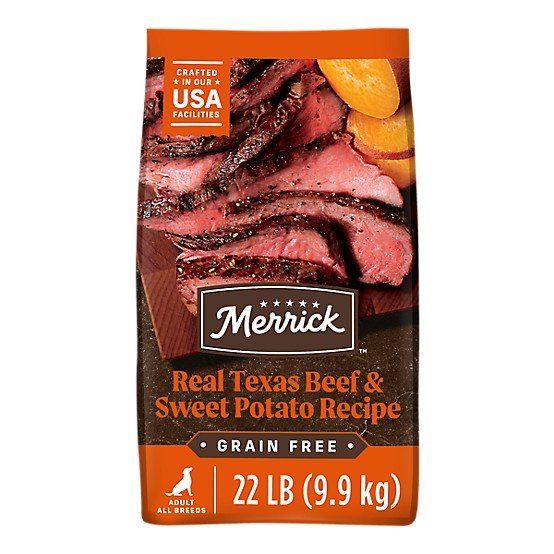
Grain-free dog food removes traditional grains such as wheat, corn, and rice, and replaces them with ingredients like potatoes, peas, or lentils as carbohydrate sources. The goal is not automatically higher quality, but an alternative for dogs that struggle with certain grains.
High-quality grain-free products still follow AAFCO nutrient standards, contain named animal proteins, and provide balanced fat, vitamins, and minerals. Poor-quality options can be unbalanced or overly starchy, so careful label reading is important.
In short, grain-free dog food is a formulation style, not a guarantee of health. Suitability depends on each dog’s age, health, and digestive or skin issues, which will be considered in later sections.
Is grain-free right for your dog?
Grain-free dog food can be helpful for some dogs, but it is not automatically healthier for every dog. The right choice depends on age, activity level, medical history, and how the dog digests different ingredients.
Grain-free recipes replace rice or oats with ingredients such as potatoes, peas, or lentils. Some dogs with true grain allergies or chronic digestive upset may feel better on such formulas. However, there are also concerns about a possible link between certain grain-free diets and heart disease (DCM), especially in large breeds.
In many cases, dogs with no allergy, skin problem, or digestive issue do very well on a balanced diet that includes grains. Owners are encouraged to decide based on their individual dog’s health and veterinary advice, rather than marketing terms alone.
Pros and cons of grain-free diets
Grain-free dog food has clear advantages and important drawbacks.
| Pros of grain-free | Cons of grain-free |
|---|---|
| Helpful for confirmed grain allergies or intolerances | May be no better for most healthy dogs |
| Can improve stool quality or itching in some dogs | Some formulas linked to diet‑associated DCM (a heart disease) under investigation |
| Offers options for dogs needing novel carbohydrates | Often more expensive than foods with wholesome grains |
| Useful when advised for specific digestive issues | Risk of unbalanced recipes if ingredients are poorly chosen |
Overall, grain-free diets are a tool for special situations, not automatically the healthiest choice for every dog.
Dogs who may benefit from grain-free
Dogs that may benefit from grain-free food usually have specific medical or digestive reasons, not just general wellness goals.
- Dogs with confirmed grain allergies or strong intolerance to wheat, corn, or soy
- Dogs with chronic skin issues or ear infections that clearly worsen after eating grains
- Dogs with long‑term soft stool, gas, or itching that improves on a supervised grain‑free trial
- Very active dogs needing high animal‑protein, higher‑fat formulas when standard diets are not enough
In every case, a vet‑guided elimination diet and regular checkups are important before choosing a long‑term grain‑free plan.
When to avoid grain-free dog food
Grain-free diets are not a universal solution, and there are some cases where they may be better avoided. Typical situations include the following:
- Dogs with a history or family history of heart disease, especially DCM
- Dogs with a greater burden on the heart, such as large-breed dogs or working dogs
- Dogs that have been prescribed a veterinary diet containing grains by a veterinarian
- Dogs suspected of reacting to foods other than grains, such as beef, chicken, or dairy products
In addition, inexpensive grain-free foods with unclear nutritional design may carry a risk of imbalanced protein, amino acids, and minerals, so caution is needed. If you are unsure, it is important to consult your veterinarian before switching foods.
How we chose these 7 diets
To select the best grain free dog food, several objective criteria were used. Only diets from reputable manufacturers with complete and balanced AAFCO profiles for the stated life stage were included. Ingredient lists had to feature identifiable animal protein as the first ingredient and avoid unnecessary fillers or artificial colors.
Safety and transparency were prioritized. Preference was given to brands with regular nutritional testing, clear calorie information, and accessible feeding guidelines. Products also needed a good track record for digestibility, palatability, and owner-reported results, while still offering realistic price ranges and wide availability online or in stores.
Veterinary review and safety checks
With safety as a priority, all foods have undergone literature review and ingredient checks by veterinarians. Specifically, the following points are reviewed:
- Whether the food is a “complete and balanced” diet that meets standards such as AAFCO
- Whether the manufacturer has had any recalls or serious issues
- Whether the ingredients and guaranteed analysis are appropriate for the dog’s age, body size, and health condition
- Whether there is an ongoing quality control system and third-party testing
Foods with questionable points are excluded from the candidates.
Nutrition standards and ingredients
Grain-free dog food should still meet AAFCO or FEDIAF nutrient profiles for the appropriate life stage. Owners are advised to confirm that the label states “complete and balanced” and that feeding trials or formulation by a qualified nutritionist support the recipe.
Key ingredients to prioritize are clearly named animal proteins (chicken, salmon, lamb), moderate fat, and digestible carbohydrate sources such as sweet potato or peas. Beneficial extras include omega‑3s from fish oil, chelated minerals, and mixed tocopherols as natural preservatives.
Owners should be cautious about formulas where legumes or potatoes dominate the ingredient list, as well as heavy use of plant protein concentrates that can dilute animal protein. A simple, transparent ingredient list generally supports better digestibility and easier monitoring of potential sensitivities.
Price, availability, and transparency
Cost and access are just as important as ingredients. A "best" grain free dog food must be realistically affordable and easy to buy long term.
| Point | Why it matters for grain‑free food |
|---|---|
| Price per day | Check feeding guide and bag size, not only sticker price |
| Availability | Stable stock in local shops or reliable online stores prevents sudden diet changes |
| Brand transparency | Companies should share full ingredient lists, calories, AAFCO statement, feeding trials, and contact details |
Brands that publish clear sourcing information, recall history, and independent quality testing are generally safer choices than opaque private‑label products.
7 top grain-free foods vets approve
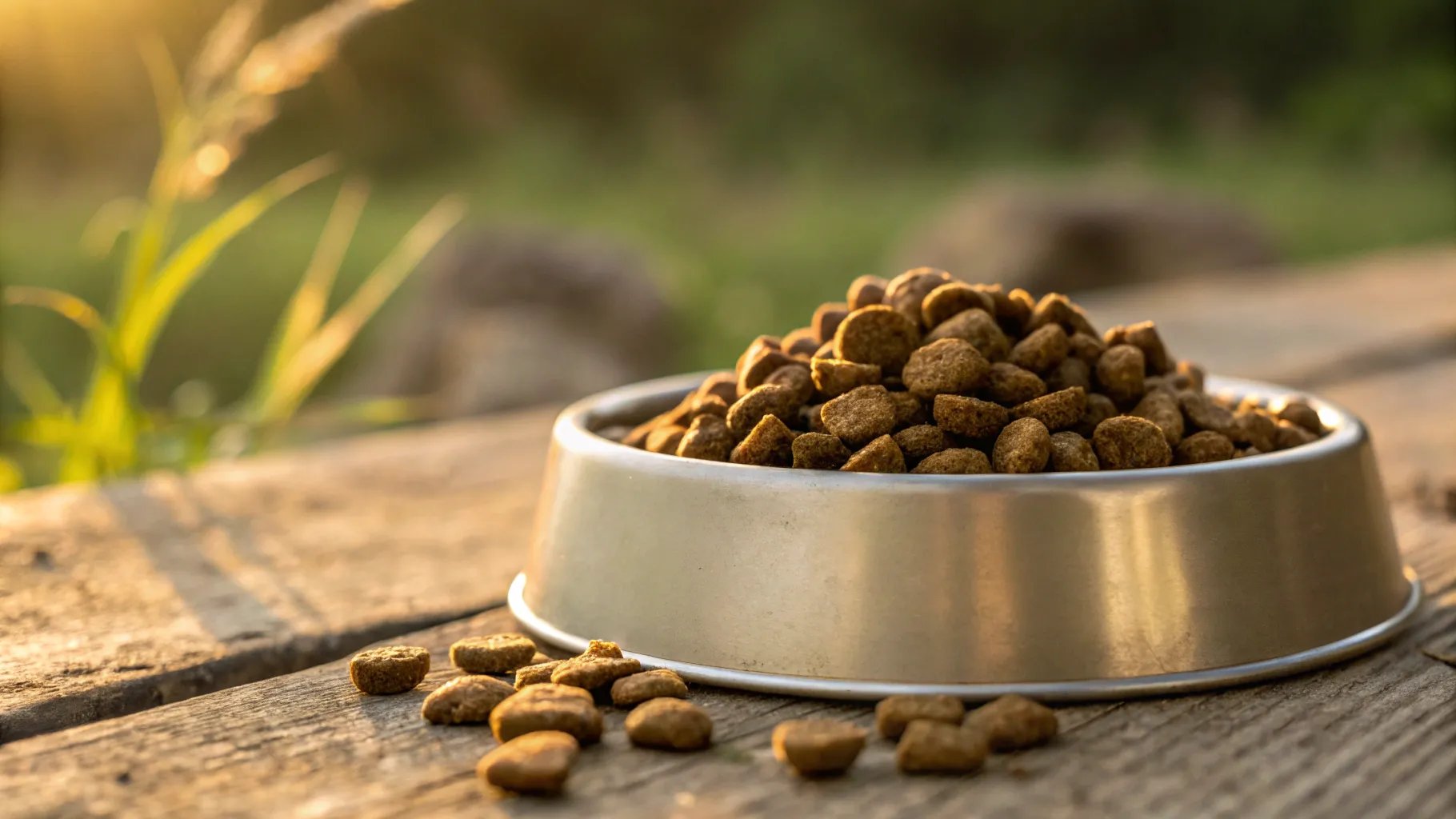
Pet owners often search for the best grain free dog food by brand name, but veterinarians focus on life stage, size, and health needs instead. The following seven picks are organized by everyday situations: a balanced adult kibble, a puppy formula, options for small and large breeds, a senior recipe, a sensitive-stomach choice, and a budget-friendly grain-free food. Each type is evaluated for AAFCO compliance, ingredient quality, and safety history, so readers can later match individual products to a dog’s age, activity level, and any medical issues.
1. All-round adult grain-free kibble
For an all-round adult grain-free kibble, many veterinarians recommend a formula featuring named meat as the first ingredient (for example, deboned chicken or salmon) combined with peas or potatoes as main carbohydrates. AAFCO-complete nutrition, moderate fat, and controlled calories help most healthy adults maintain ideal weight. Look for added omega-3s, joint-support nutrients, and no artificial colors or preservatives for everyday, reliable feeding.
Why vets like this formula
An adult grain-free kibble that gains veterinary approval usually offers balanced nutrition that meets AAFCO standards for adult maintenance, with no major gaps in protein, fat, vitamins, or minerals. High-quality animal protein appears as the first ingredient, supported by digestible carbohydrate sources such as sweet potato or peas. Many veterinarians value added omega-3 fatty acids for skin, coat, and joint support, plus controlled calories to help prevent weight gain. Clear labeling, transparent sourcing, and a history of few or no recalls also increase trust in the formula’s long‑term safety.
Things to watch with this food
Many dogs do well on this grain‑free kibble, but owners should monitor a few points carefully. Protein and calorie levels are often higher, so portion control is important to prevent weight gain. High‑meat formulas may not suit dogs with kidney, liver, or pancreatitis issues, so veterinary advice is recommended for such pets. Grain‑free recipes can also be richer in legumes or potatoes; sensitive dogs may develop soft stools or gas and require a slower transition or a different formula.
Best suited dogs and budgets
Dogs that benefit most from an all‑round adult grain‑free kibble are healthy adult dogs with no special medical needs, who maintain weight easily and tolerate common proteins such as chicken or salmon. The formula is also suitable for active dogs that need moderate to high calories without fillers.
From a budget perspective, the food fits mid‑range households: more expensive than supermarket brands, but often cheaper than fresh or prescription diets. Owners looking for a reliable everyday food with good ingredient quality per dollar often find this type of kibble cost‑effective, especially in larger bag sizes or subscription plans.
2. Puppy grain-free dog food pick
A grain-free puppy formula should support steady growth, safe joints, and gentle digestion rather than simply copying adult grain-free recipes. A recommended grain-free puppy food usually features high-quality animal protein as the first ingredient, controlled calcium and phosphorus for bone health, and added DHA for brain and eye development. Small, easy-to-chew kibble and a clear AAFCO “puppy” or “all life stages including growth” statement are also important points when comparing options.
Growth needs and key nutrients
Puppies need far more energy and balanced nutrients than adult dogs. A good grain‑free puppy food should provide high animal protein for muscle and organ development, plus controlled calcium and phosphorus to support safe bone growth. Added DHA and EPA from fish oil help brain and eye development, and easily digestible carbs like sweet potato supply steady energy. Vitamins, minerals, and antioxidants support a still‑maturing immune system.
Potential drawbacks for puppies
Puppies can eat grain-free formulas safely, but there are points to watch carefully. Overly rich recipes may cause loose stool or rapid weight gain, which stresses growing joints. Some grain‑free foods rely heavily on peas, lentils, or potatoes, and current research links certain patterns of such ingredients to possible heart risks in a few dogs. Grain-free diets formulated only for adults also may not provide the precise calcium, phosphorus, and calorie balance required for safe puppy growth.
Who this puppy food fits
Puppy grain-free food is suitable for healthy, rapidly growing puppies whose guardians prefer to avoid grains and who have no known heart disease or strong breed risk for DCM (for example Golden Retrievers, Dobermans). It fits puppies that:
- Need high energy for play and growth
- Tolerate animal proteins and grain-free carbohydrates well
- Have soft stools or itching suspected to be grain related
For any large- or giant‑breed puppy, a vet’s confirmation is strongly recommended before long‑term use.
3. Small-breed grain-free recipe
A grain-free formula for small dogs should focus on tiny kibble, high energy density, and easy digestion. Many small-breed recipes use fresh meat or meat meal as the first ingredient, supported by peas, lentils, or potatoes instead of grains. A suitable option is AAFCO-complete for small adults, keeps protein around 25–32%, and adds omega-3s for skin and coat. For very small mouths, confirm the brand clearly labels the recipe for toy or small breeds.
Kibble size and calorie density
Small-breed grain-free formulas use smaller kibble pieces that are easier for toy and small jaws to pick up and crunch. Appropriately sized kibble also supports better chewing, which can aid digestion. In addition, many small-breed recipes have higher calorie density per cup, because small dogs often have faster metabolisms yet tiny stomachs. A calorie-dense food allows enough energy in a modest portion, helping maintain weight without overfilling the stomach.
Common owner feedback
Many owners report that small-breed grain-free recipes help picky dogs eat more eagerly. The smaller kibble is easy to chew, and high meat content often improves aroma. Some guardians of toy breeds note firmer stools and less gas.
On the other hand, a few owners mention easy weight gain because calorie density is high and portions look small. Others observe that sensitive dogs can still react to common proteins like chicken, even without grains. Careful portion control and slow transitions are often recommended.
4. Large-breed grain-free option
For large breeds, a grain-free diet must control calories, calcium, and joint support. A recommended option is a grain-free kibble labeled for large-breed adults, with real meat as the first ingredient, moderate fat, and added glucosamine and chondroitin. Balanced calcium and phosphorus help protect growing bones and joints, while controlled energy density supports a healthy weight and reduces strain on hips and elbows.
Joint and heart health focus
Large-breed dogs are more prone to joint problems and heart strain, so formulas for them should prioritize targeted support. Look for controlled calories and calcium to prevent rapid growth, plus added glucosamine and chondroitin for hips and elbows. For heart health, grain-free diets should include taurine, L‑carnitine, omega‑3 fatty acids, and adequate animal protein, helping support normal cardiac function while maintaining lean muscle mass.
Large-breed feeding tips
Feeding large breeds requires controlled calories and calcium to protect joints and growth plates. Divide the daily portion into 2–3 meals to avoid overeating and reduce bloat risk. Use a measuring cup or scale and body condition score, not package averages, to set the amount. Avoid rapid weight gain; ribs should be easy to feel under a light fat layer. After heavy exercise, allow a cool‑down before feeding or offering large amounts of water.
5. Senior grain-free dog formula
Senior dogs often have slower metabolisms, more fragile joints, and more sensitive digestion, so a senior grain-free formula should focus on gentle, highly digestible nutrition. Look for recipes with moderate calories, higher-quality animal protein, and controlled fat to help maintain lean muscle without excess weight.
Grain-free senior foods are most helpful when they include added joint support (glucosamine, chondroitin), omega‑3 fatty acids from fish oil, and antioxidants to support the brain and immune system. Easily digestible carbohydrates such as sweet potato or pumpkin can be kinder to older stomachs than richer, legume-heavy recipes.
For many aging dogs, a grain-free option is considered when there are skin, digestive, or suspected grain-sensitivity issues. However, owners should always confirm with a veterinarian that grain-free is appropriate, especially for breeds with heart‑disease risk. A targeted senior formula can then be chosen based on current weight, activity level, and any existing medical conditions.
Supporting aging joints and brain
Senior dogs often face stiff joints and slower thinking, so grain-free formulas for aging pets should support both areas. Many senior recipes add glucosamine and chondroitin to help protect cartilage, plus omega-3 fatty acids (from fish oil or flaxseed) to ease inflammation and support brain function. Antioxidants such as vitamins C and E, blueberries, and spinach are useful for protecting brain cells. A moderate fat level and controlled calories also help maintain a healthy weight, reducing stress on hips, knees, and the spine.
When this senior food fits
Senior grain-free formulas are recommended when an older dog shows slower metabolism, mild joint stiffness, or early cognitive changes but still maintains stable organ function. Such diets are also useful when a senior dog has long‑standing food sensitivities or loose stools linked to common grains. On the other hand, dogs with confirmed heart disease, advanced kidney problems, or very low appetite often require more specialized therapeutic diets, so prior veterinary consultation is strongly advised before choosing a senior grain‑free option.
6. Sensitive stomach grain-free
Sensitive stomach grain-free food aims to reduce digestive stress while avoiding grains such as wheat or corn. A gentle recipe usually combines highly digestible animal protein, limited carbohydrate sources like potato or sweet potato, and added prebiotics for gut health. For many dogs with loose stool, gas, or intermittent vomiting, a simple grain-free formula can calm digestion. However, persistent symptoms always require veterinary examination to rule out deeper disease or true food allergy.
Gut-friendly ingredients
Even when a food is grain-free, it is important to choose ingredients with digestive gentleness in mind. The main ingredients to look for are as follows:
| Type | Examples | Digestive Benefits |
|---|---|---|
| Main protein sources | Salmon, turkey, lamb | Relatively easy to digest and less likely to become allergens |
| Alternative carbohydrates | Sweet potatoes, pumpkin, peas | Provide energy and a moderate amount of dietary fiber |
| High-quality fats | Salmon oil, flaxseed | Gentle on the stomach and also support skin and coat health |
| Prebiotics/probiotics | Lactic acid bacteria, fructooligosaccharides | Help support a healthy gut environment and stable stool quality |
| Digestive-support ingredients | Dried beet pulp, chicory root | Absorb moisture to help form stools and support digestion |
On the other hand, for sensitive dogs, formulas containing too many legumes such as peas, lentils, or chickpeas may cause diarrhea or gas. For dogs with sensitive stomachs, foods based mainly on sweet potatoes or pumpkin tend to be chosen over those high in legumes.
How to trial for sensitivities
When checking for food allergies or digestive issues, it is important to try only one new food at a time. First, gradually increase the proportion of the new food over 7 to 10 days while reducing the old food. During this period, keep treats and toppings consistent as well.
If symptoms such as diarrhea, loose stool, vomiting, increased gas, itching, redness in the ears, or worsening tear stains appear, it is best to stop the new food and consult a veterinarian. Since frequently switching between multiple foods makes it difficult to identify the cause, it is recommended to continue each trial for at least 2 to 4 weeks.
7. Budget-friendly grain-free pick
A budget-conscious grain-free option can still provide complete, AAFCO-compliant nutrition if the recipe uses balanced ingredients and transparent labeling. Many affordable lines rely on sweet potato or pea starch as main carbohydrates and chicken or fish meal as primary protein. Owners should compare price per 100 g rather than bag price, and confirm clear feeding guidelines and manufacturer contact details. For dogs without complex medical needs, a well-formulated economy grain-free food can be a reasonable everyday choice.
Where it saves and where it doesn’t
A budget-friendly grain-free food usually saves on extras, not on safety. Cost is reduced by using less exotic meats, slightly lower meat percentages, or simpler packaging and marketing. However, a good value option should still meet AAFCO standards and list named animal protein as the first ingredient. Where savings do not occur is in prescription-level support or highly tailored formulas; owners may need separate supplements for joint care, skin support, or probiotics.
Which dogs this suits best
A budget‑friendly grain‑free formula suits healthy adult dogs with no complex medical issues whose guardians still want reasonable ingredient quality. It often fits medium and large mixed‑breed dogs with normal activity, multi‑dog households, and owners upgrading from very cheap supermarket food. For puppies, seniors, dogs with heart disease, severe allergies, or on prescription diets, a more specialized – often higher‑priced – food is usually safer and more appropriate.
Finding the best grain free dog food
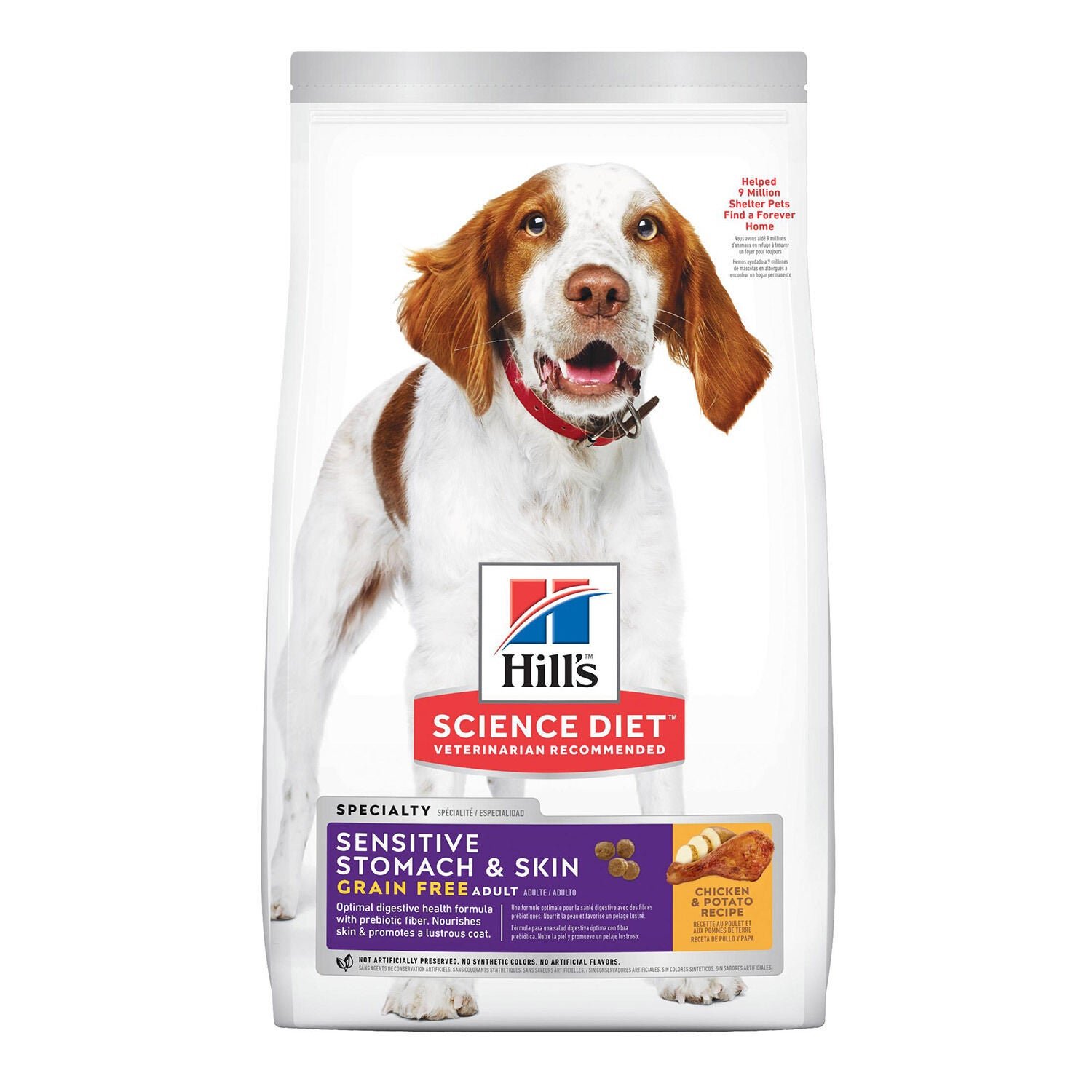
Finding the best grain free dog food starts with clarifying the dog’s needs: age, size, activity level, and any health issues. Next, compare products that meet AAFCO standards, use clearly named animal proteins, and avoid vague ingredients or fillers. Owners should also check for brand transparency, recall history, and clear feeding guidelines. Finally, select a recipe that fits the household budget and is easy to buy consistently, then monitor stool quality, coat, and energy after the diet change.
Reading dog food labels clearly
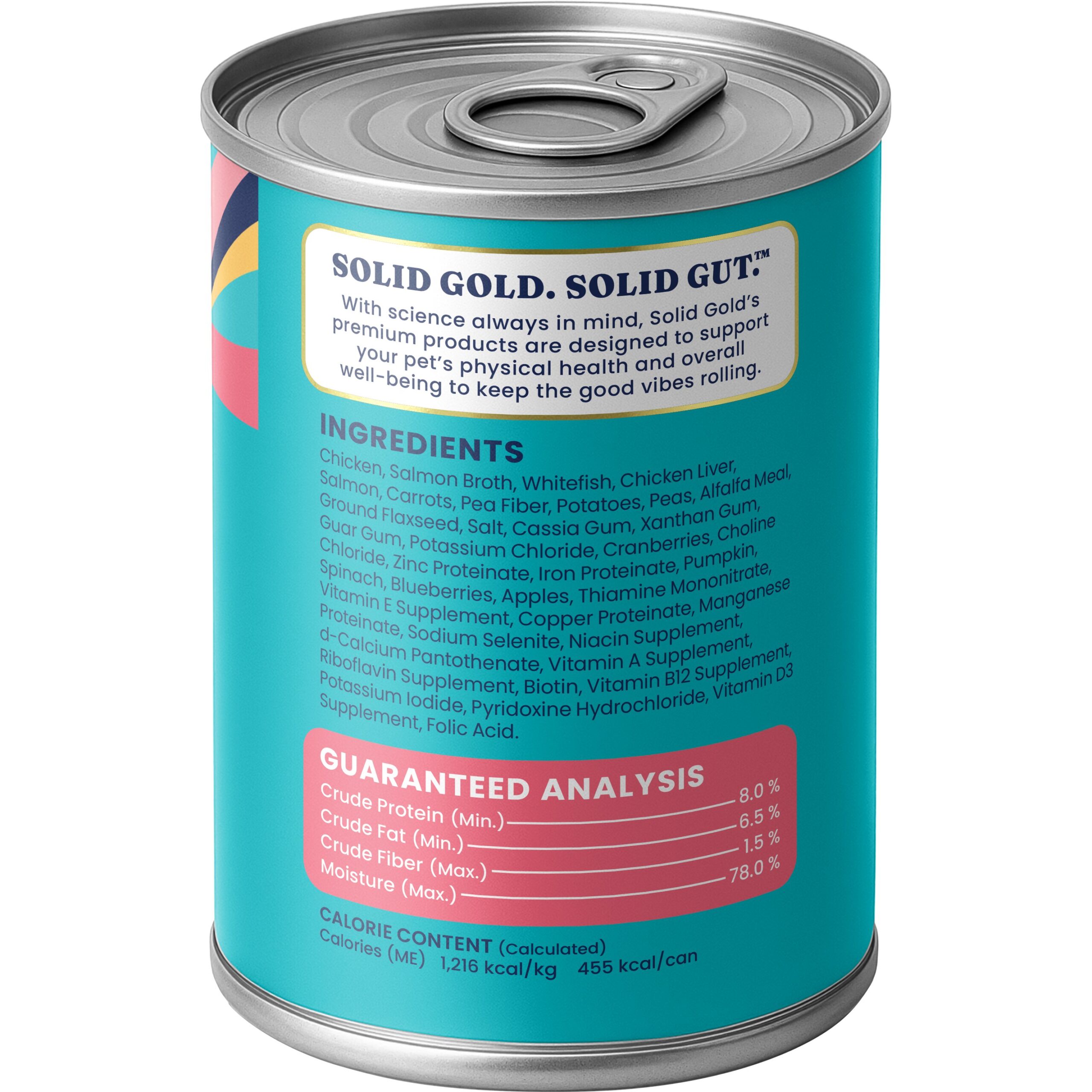
Dog food labels can feel dense, but they become easier to understand once you know the key points to check. First, look at the “complete and balanced” statement and life stage information on the front of the package to determine whether it matches your dog’s age and size. Next, check the “guaranteed analysis” on the back, including protein, fat, fiber, ash, and moisture, as well as the first 3 to 5 ingredients in the ingredient list. Since ingredients are listed in order of weight, checking whether meat appears near the top and whether there are too many questionable additives or vague terms, such as by-products or animal fat, can make it easier to choose.
Ingredients to look for and avoid
When choosing grain-free food, it is important to focus on the quality of the protein and carbohydrate sources. Products that list specific animal proteins such as chicken, turkey, salmon, or lamb as the main ingredients are preferable. For carbohydrate sources, check whether the food uses easy-to-digest, nutrient-rich plants such as sweet potatoes, peas, or chickpeas. On the other hand, it is safer to avoid foods with vague ingredient descriptions such as “meat meal” of unknown origin or unclear “animal by-products.” Products containing large amounts of artificial preservatives, such as BHA, BHT, or ethoxyquin, as well as excessive coloring or flavoring, also require caution. Foods with simple ingredient labels that are easy to understand are generally more suitable for health management.
Matching food to age and lifestyle
Age, size, and activity level strongly affect what counts as the best grain free dog food for each dog. Puppies and highly active adults need higher calories and protein, while seniors or indoor, calm dogs usually do better on moderate calories to prevent weight gain.
Use the table below as a simple guide:
| Dog type | Key grain‑free features to prioritize |
|---|---|
| Puppy | AAFCO growth / all‑life‑stage label, DHA, controlled calcium |
| Active adult / working dog | Higher protein and fat, joint support, omega‑3s |
| Indoor / low‑activity adult | Moderate calories, good fiber for fullness, clear feeding guidelines |
| Large‑breed adult | Controlled calories, joint nutrients, taurine and carnitine |
| Senior dog | Lower calories, joint and brain support, easy‑to‑digest proteins |
In every case, adjust daily portions to body condition, not only package charts. Monitoring weight, stool quality, coat condition, and energy level helps confirm whether the chosen grain free formula truly matches lifestyle and life stage.
Balancing quality with your budget
Quality grain-free dog food does not always mean the highest price. The key is paying for nutrients, not marketing. Prioritize named animal proteins, clear fat sources, and an AAFCO statement over fancy packaging or buzzwords.
An easy approach is to set a monthly budget, then compare:
| Point to compare | Spend a bit more on | Can save money on |
|---|---|---|
| Protein source | Real meat or fish as #1 | Novel meats unless medically needed |
| Format | Complete diets | Treats and toppers |
| Bag size / subscription | Larger bags, autoship discounts | Tiny trial bags after tolerance confirmed |
Switching slowly and avoiding waste also protects the budget while keeping the dog healthy.
Grain-free diets and heart disease

Grain-free dog food has been linked in some reports to a heart condition called dilated cardiomyopathy (DCM). The concern is not the lack of grains itself, but how grain-free formulas are often made.
Many grain-free diets rely heavily on peas, lentils, and potatoes. Researchers suspect that certain ingredient combinations may affect taurine levels or heart muscle function in some dogs, especially large breeds or dogs with a genetic tendency to DCM.
Current evidence is inconclusive, and many dogs eat grain-free food with no problems. However, veterinarians usually advise:
- Avoiding boutique brands with limited nutrition research
- Choosing diets that meet AAFCO standards and have a veterinary nutritionist behind the recipe
- Scheduling regular vet checkups and heart auscultation, especially for at‑risk breeds
Owners who notice tiredness, coughing, heavy breathing, or fainting should contact a veterinarian quickly, regardless of diet type.
Why the FDA reviewed these diets
The FDA began reviewing grain-free dog foods after an unusual rise in dilated cardiomyopathy (DCM) was reported in dogs that were not typical high‑risk breeds. Many affected dogs were eating diets labeled grain free or “boutique” foods high in peas, lentils, chickpeas, or potatoes.
Veterinary cardiologists submitted case reports showing a possible link between legume-rich, grain-free formulas and heart muscle disease. In response, the FDA opened an investigation to assess patterns in diet, ingredients, and brand, aiming to protect pet health and guide safer feeding choices.
What we know about DCM so far
Veterinary cardiology research on grain-free diets and dilated cardiomyopathy (DCM) is still evolving. Current studies suggest a possible link between some grain-free formulas rich in peas, lentils, or potatoes and DCM in certain dogs, especially when diets are fed as the sole food for long periods. However, not all grain-free foods or all dogs are affected.
Key points so far:
- No single ingredient has been proven as the sole cause.
- Genetics, weight, other illnesses, and homemade or “boutique” diets may increase risk.
- Some affected dogs improve when switched to a balanced diet including grains and, if needed, taurine supplementation.
Because evidence remains incomplete, many vets now recommend grain-free diets only when there is a clear medical reason and with careful monitoring.
Questions to ask your veterinarian
When considering a grain-free diet, owners are encouraged to prepare specific questions for the veterinarian. Key points include:
- Is grain-free appropriate for the dog’s age, breed, and health history?
- Does the dog have conditions (allergies, pancreatitis, heart disease, kidney disease) that influence food choice?
- How should taurine and other heart-related nutrients be managed?
- Which brands meet AAFCO standards and have veterinary nutritionists on staff?
- What signs would indicate that grain-free food is not suitable?
Owners may also ask how often weight, stool quality, and blood work should be monitored after changing to a grain-free option.
Switching your dog’s diet safely
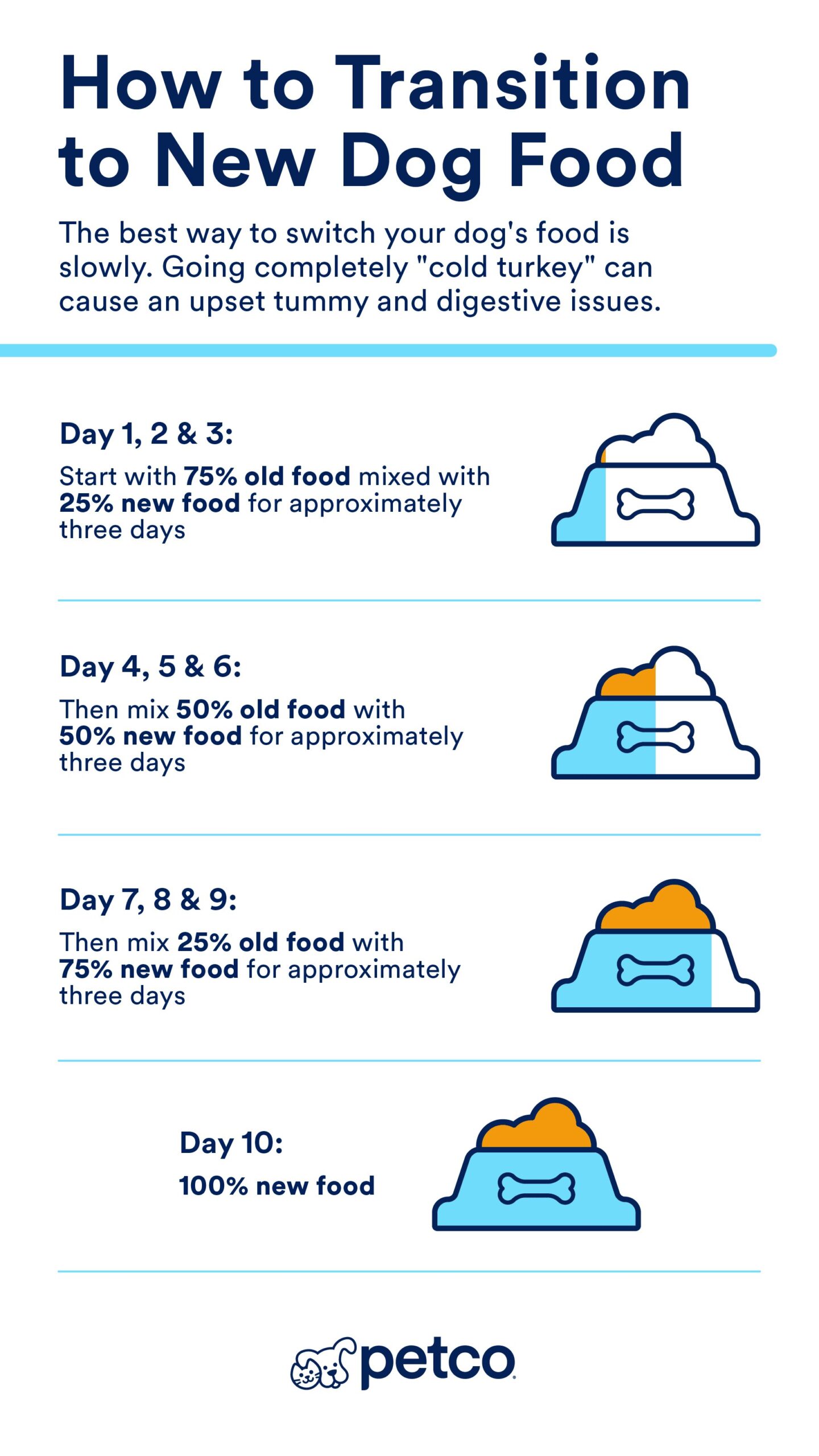
Changing dog food suddenly can upset digestion and increase the risk of refusal or vomiting. To switch diets safely, introduce the new grain-free food gradually over at least 7–10 days. Mix a small amount into the current food and adjust the ratio little by little. During the change, monitor stool, appetite, skin condition, and behavior. If any clear problems appear, slow the pace or pause the transition and consult a veterinarian.
Step-by-step transition schedule
A gradual change helps prevent vomiting, diarrhea, and refusal to eat. A common guideline is a 7–10 day transition. Adjust more slowly for puppies, seniors, and dogs with sensitive stomachs.
| Day | Old food | New grain‑free food |
|---|---|---|
| 1–2 | 75% | 25% |
| 3–4 | 50% | 50% |
| 5–6 | 25% | 75% |
| 7–10 | 0% | 100% |
Feed measured portions, keep treats simple, and change only one thing at a time so owners can clearly judge how the dog responds.
Signs the new food is not working
If the following changes continue during the first 1 to 2 weeks after your dog starts eating a new food, they may be considered signs that the food is not a good fit.
| Sign to Watch For | What It May Look Like |
|---|---|
| Worsening stool quality | Loose stool, diarrhea, or extremely hard, pellet-like stool lasting for several days or more |
| Skin and coat problems | Itching, redness, increased dandruff, or a dry, dull coat |
| Signs of poor digestion | Frequent vomiting, increased gas or flatulence, or stomach rumbling |
| Decreased appetite or energy | A sudden drop in appetite, low energy, or sleeping more than usual |
| Weight changes | Sudden weight loss or gain |
If your dog shows obvious signs of illness or a clear loss of energy, it is important to consult a veterinarian promptly.
When to stop and call your vet
A vet should be contacted promptly if any severe or sudden changes appear after starting grain-free food. Stop the new diet and call a veterinarian immediately when the dog shows vomiting or diarrhea lasting more than 24 hours, bloody stool, repeated refusal of meals, marked lethargy, collapse, difficulty breathing, or rapid weight loss. Swelling of the face or hives can indicate an allergy and also require urgent consultation. Early contact allows adjustment of the diet and prevents more serious health problems.
When grains may be a better choice
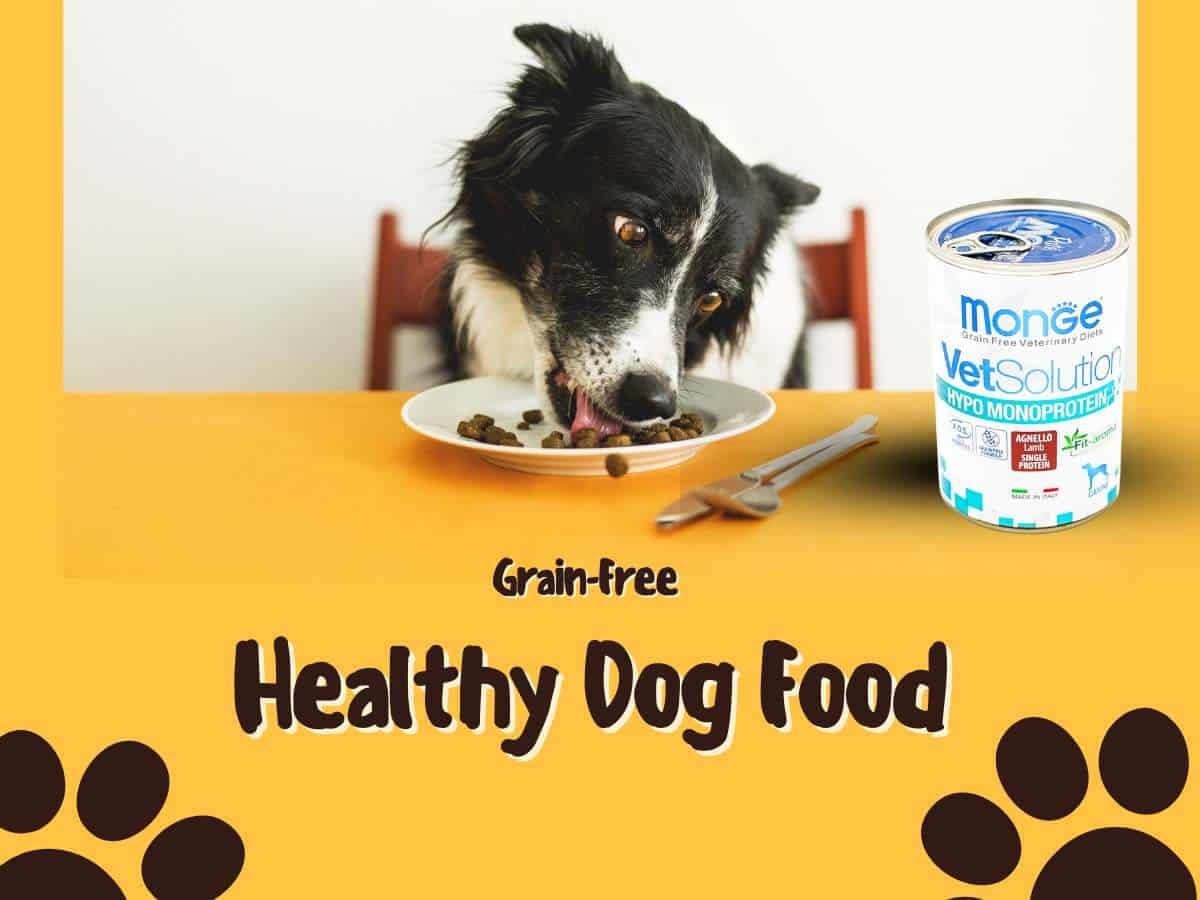
Grain-inclusive recipes can be a better option for many healthy dogs. High-quality grains such as brown rice, oats, or barley provide steady energy, fiber for digestive health, and important B vitamins. For dogs without confirmed grain allergies, well-balanced grain diets are often easier to formulate to meet all nutrient needs and may reduce the theoretical risk of diet-associated heart problems linked to some grain-free formulas. They are also usually more affordable and widely available.
Health issues favoring grains
For dogs with specific chronic conditions or senior dogs, it is recommended to consult a veterinarian before switching to grain-free food.
Choosing a high-quality grain diet
When choosing a high-quality grain-inclusive food, it is important to carefully check the ingredients and nutritional balance. First, check whether an animal protein such as “chicken” or “salmon” appears at the beginning of the ingredient list. If corn or wheat appears first, grains may be the main ingredient.
Next, check whether the food meets nutritional standards such as AAFCO. Foods labeled as “complete and balanced,” “for growth,” or “for adult maintenance” and matched to your dog’s life stage are generally more reassuring. In addition, products that use whole grains such as brown rice, oatmeal, or barley, and contain fewer by-products or artificial preservatives are considered more likely to have stable quality.
Fat and calorie content are also important. For dogs that are overweight or less active, a lower-fat recipe is more suitable. On the other hand, dogs that exercise frequently need food with enough energy. Finally, manufacturer transparency and reviews can also be helpful, but if you are unsure, always consult a veterinarian and choose a food that matches your dog’s constitution and health condition to ensure safety.
Summary: choose what suits your dog
The best food for your dog should not be judged simply by whether it is “grain-free,” but by whether it suits their constitution, age, lifestyle, and health condition. Both grain-free and grain-inclusive foods can be good options as long as they are properly formulated complete and balanced diets.
Start by organizing the following points: ① your dog’s current health condition and any chronic illnesses, ② age and body condition, ③ activity level, and ④ budget. Then calmly check the label and ingredients. If your dog has a risk of heart disease or any existing health conditions, or if you feel unsure about changing foods, it is safest to choose food while consulting a veterinarian.
The final goal is not to choose a “trendy food,” but to determine whether your dog can continue eating a diet that helps them stay healthy and energetic over the long term. Observe your dog carefully, try suitable foods thoughtfully, and find an option you can feel confident about.
This vet-backed 2024 guide helps dog owners decide if grain-free food is right for their dogs, compares seven recommended formulas by life stage and budget, explains FDA heart-disease concerns, and shows how to switch diets safely while staying alert to signs a different food may suit a dog better.










![[Shiba Inu] Why does he get angry when you touch his food bowl? Here are the reasons and three solutions](https://with-my-dog.com/wp-content/uploads/2022/07/image2-15-150x150.jpg)
![[Dog Allergies] Do dogs have allergies? Explaining safe foods!](https://with-my-dog.com/wp-content/uploads/2021/10/3029373_m-150x150.jpg)






![[Latest] Dog Food Ranking: Introducing the dog food you should choose now](https://with-my-dog.com/wp-content/uploads/2021/09/612MSPkGolL._AC_SL1000_03-208x300.jpg)