


To protect your dog's health, it's important to correctly read the label on the packaging rather than simply choosing dog food that "seems good." However, the names of ingredients, nutritional information, and additives often contain a lot of technical jargon, which can be confusing for many pet owners. This article will provide a simple guide to understanding the basics of how to read dog food labels and clearly explain the checkpoints for choosing the right food for your dog. By understanding the meaning of the labels, you should be able to choose your dog's food with greater confidence.
Why Dog Food Labels Matter
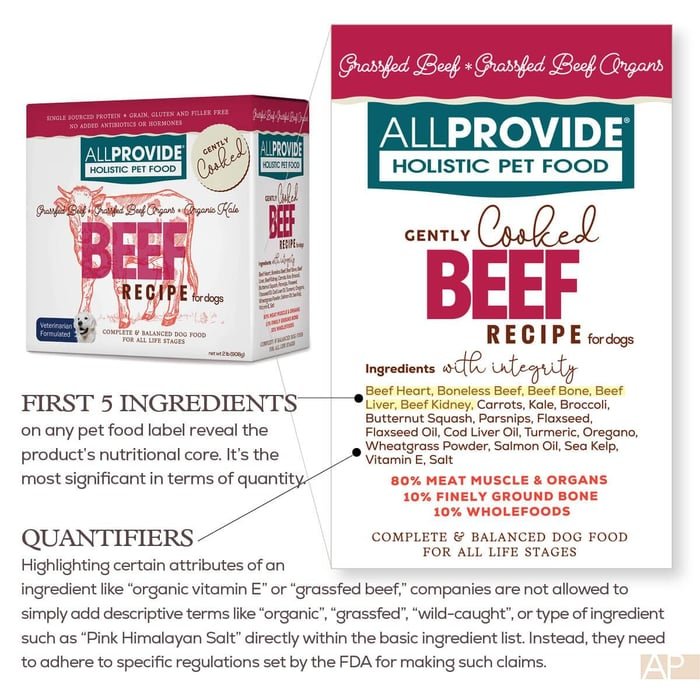
Dog food labels matter because they are the main tool for judging safety and nutrition at a glance. Attractive packaging and catchy names can be misleading, but the legal label must show what the food contains, who made it, and for which dogs it is suitable. By learning to read labels, owners can compare products fairly, avoid unsuitable ingredients, and choose food that truly supports a dog’s long‑term health.
What the label must legally include
Dog food labels are not just marketing; several elements are legally required so owners can compare products safely. In most countries, a complete label must include: product name, net weight or quantity, guaranteed analysis, ingredient list, nutritional adequacy statement, feeding directions, manufacturer or distributor name and contact, and calorie content. Many packages also include a best‑by date and batch or lot code for quality control and recall tracking.
Who regulates dog food labels
Dog food labels are mainly regulated in the United States by AAFCO, the FDA, and state feed control officials. AAFCO sets model regulations and nutrient profiles, which many states adopt into law. The FDA enforces federal rules on safe ingredients, truthful claims, and proper manufacturing. State feed control officials check labels, approve products, and handle many local inspections and complaints. Together, they help keep labels accurate and pet food safer for dogs.
Quick Steps to Check Any Dog Food
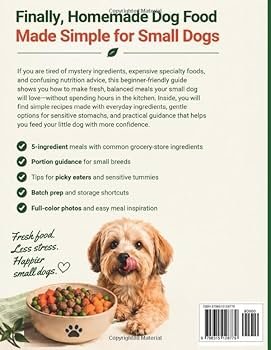
Dog food labels can feel overwhelming, so a simple routine is helpful. Before buying, follow three quick checks:
- Read the product name carefully to judge how much of the named meat is really inside.
- Confirm life stage and type (puppy, adult, senior, small/large breed, all life stages) to match the food to the dog.
- Scan nutrients, ingredients, and calories to see if the food is complete, balanced, and appropriate for the dog’s activity level.
Using the same steps every time makes comparing brands much easier and helps avoid misleading marketing.
Start with the product name
The product name is often the first big clue about what is really in the bag or can. In many countries, names are tied to minimum meat percentages. For example, “Beef Dog Food” usually means about 95% beef (excluding water), while terms like “dinner,” “recipe,” or “formula” often indicate around 25% of the named meat. Words such as “with chicken” or “chicken flavor” can mean very little actual meat, so careful owners read beyond the front name and check the full label.
Scan for life stage and breed needs
After checking the product name, look for wording such as “for puppies,” “for adult maintenance,” or “for all life stages.” Life‑stage suitability affects energy, calcium, and other key nutrients. Owners of large‑breed puppies should confirm a statement like “including growth of large‑size dogs” to help support safe bone development. For small breeds, note if the food mentions small‑breed size or tiny kibble, which may improve eating comfort.
Check nutrients, ingredients, calories
After checking life stage, focus on three core label items: nutrients, ingredients, and calories. First, scan the Guaranteed Analysis for adequate protein and appropriate fat for the dog’s age and activity. Next, read the ingredient list to confirm clear animal proteins and recognizable grains or vegetables near the top. Finally, look for the calorie content (kcal per cup or can) so that portions can be adjusted and weight gain or loss can be prevented.
Understanding the Label Layout
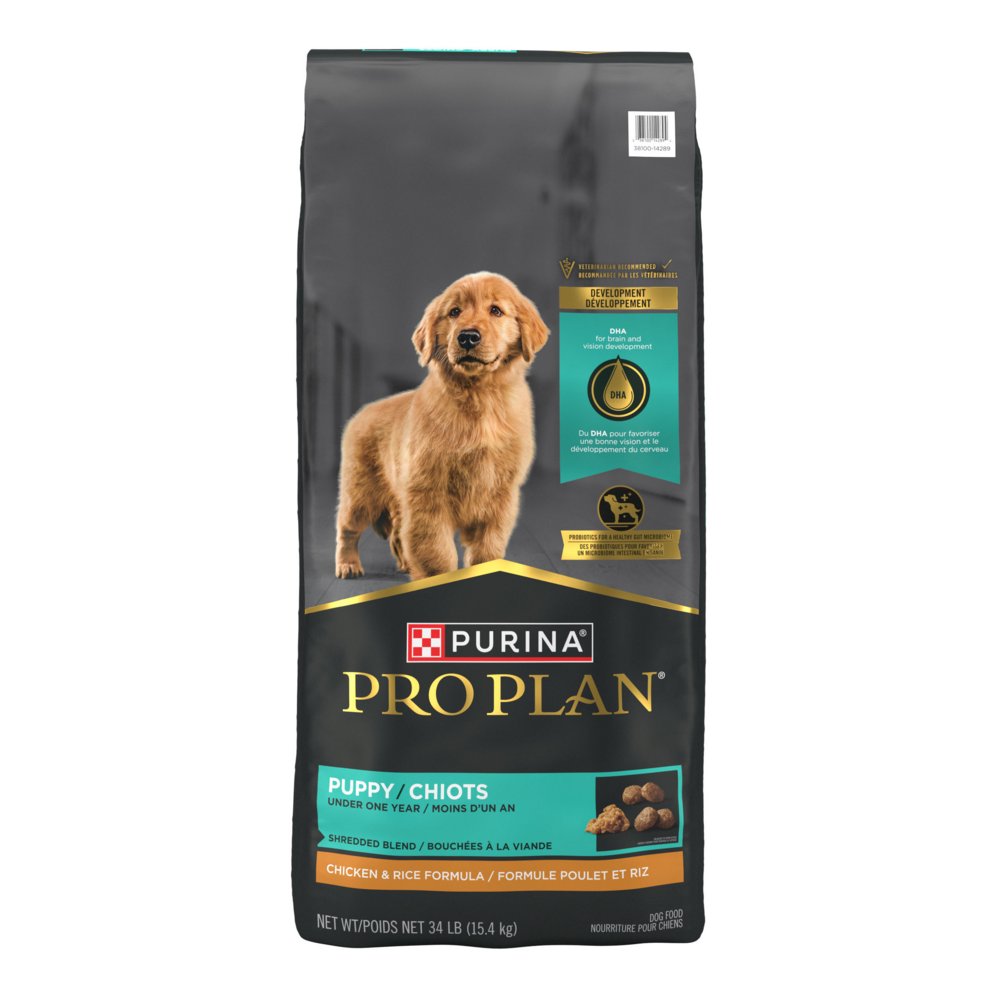
Dog food packaging follows a fairly standard layout, so once the structure is understood, comparison becomes easier. The front usually focuses on marketing and the product name, while the sides and back concentrate on nutrition facts and legal information. Key items such as ingredients, guaranteed analysis, and feeding guidelines are grouped together, so owners can quickly check whether the food suits the dog’s age, size, and activity level before buying.
Principal display panel vs side panel
Dog food labels are split into the principal display panel (front) and the information/side panel.
- Principal display panel (front): product name, brand, net weight, key marketing claims and life stage icons. This area is designed to catch the eye on the shelf.
- Side or back panel: detailed facts such as ingredients list, guaranteed analysis, nutritional adequacy statement, feeding guidelines, and manufacturer details.
The front shows what the product seems to be; the side shows what it really offers nutritionally.
What has to be easy to see
Pet food law requires certain information to be immediately visible and easy to read on the front (principal display panel). Owners should be able to spot the brand and product name, net weight, and often a key nutrition or life‑stage claim at a glance. On the side or back panel, core details such as the ingredient list, guaranteed analysis, nutritional adequacy statement, calorie content, and feeding directions must also be clearly presented in legible type so owners can compare products safely and fairly.
Decoding the Product Name
The product name gives strong clues about how much real meat or key ingredients are inside, long before reading the fine print. However, names are also where marketing terms are used most aggressively. Phrases such as “with chicken,” “beef flavor,” or “salmon dinner” follow specific rules and can point to very different meat levels. Understanding those rules helps owners avoid being misled by attractive wording and choose foods that truly match the dog’s nutritional needs.
When a meat name means 95% of it
When a product is called simply “Beef Dog Food” or “Chicken Dog Food,” the meat must make up at least 95% of the food by weight before water is added (or 70% including water). The 95% rule applies only when the meat name stands alone, with no words like “dinner,” “recipe,” or “formula.” In multi‑meat names, the named meats together must reach 95%, and each must be at least 3% of the total.
The 25% dinner, entrée, formula rule
When a product name includes words like “dinner,” “entrée,” “formula,” or “platter,” the named meat usually makes up only 25% or more of the food (excluding water for processing). For example, “Beef Dinner for Dogs” must contain at least 25% beef, not 95%. The remaining portion is made up of other ingredients such as grains, vegetables, and added nutrients, so the food is not mostly meat despite the prominent meat name.
What “with chicken” actually means
On a dog food label, “with chicken” has a very low chicken requirement. In many regulations, a product only needs to contain at least 3% chicken (by weight) to use “with chicken” in the name. In other words, “Beef Dinner with Chicken” is mainly a beef-based recipe, with only a small added amount of chicken. Owners should not assume equal or main‑protein levels from a “with” claim.
The truth behind “flavor” labels
“Chicken flavor” or “beef flavor” often means only a small amount of that ingredient, or even just seasonings or flavorings derived from it. Unlike “chicken” or “chicken dinner,” there is no minimum percentage required for a flavor claim. The food only needs to contain enough source material for the taste to be detectable. Flavor words sound appealing, but they do not guarantee high meat content or better nutrition.
Guaranteed Analysis Made Simple
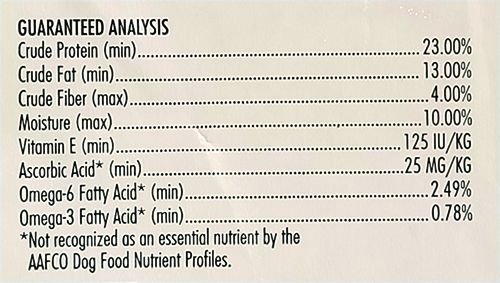
Guaranteed analysis is a small box that shows the minimum or maximum amounts of key nutrients in the food. It usually lists crude protein, crude fat, crude fiber, and moisture. Some labels also include ash, omega‑3, omega‑6, or certain vitamins and minerals. The numbers help compare products, but they do not prove overall quality or digestibility, so they must be read together with ingredients and the nutritional adequacy statement.
Protein, fat, fiber, and moisture
The guaranteed analysis lists minimum protein and fat, and maximum fiber and moisture. Protein supports muscles, immune function, and growth. Fat provides energy and essential fatty acids for skin and coat. Fiber influences stool quality and satiety; very high levels may reduce calorie density. Moisture shows how much water the food contains and affects how concentrated the nutrients and calories are.
How to compare dry and wet foods
To compare dry and wet foods fairly, the numbers on the label must be converted to a dry‑matter basis. Wet food contains much more water, so its protein and fat look lower at first glance. Remove the moisture percentage, then calculate nutrients as if both foods were 0% moisture. Many veterinarians or online calculators can help convert values so owners can compare protein, fat, and fiber accurately between types.
What these numbers mean for your dog
Numbers on the guaranteed analysis tell how much nutrients your dog at least or at most gets. Crude protein and fat are minimums, while fiber and moisture are usually maximums. Higher protein often suits healthy, active dogs; too much fat can cause weight gain or stomach upset. Very high fiber may reduce calorie intake but can soften or bulk up stools. For sensitive or senior dogs, more moderate numbers are often kinder on digestion.
Reading the Ingredients List
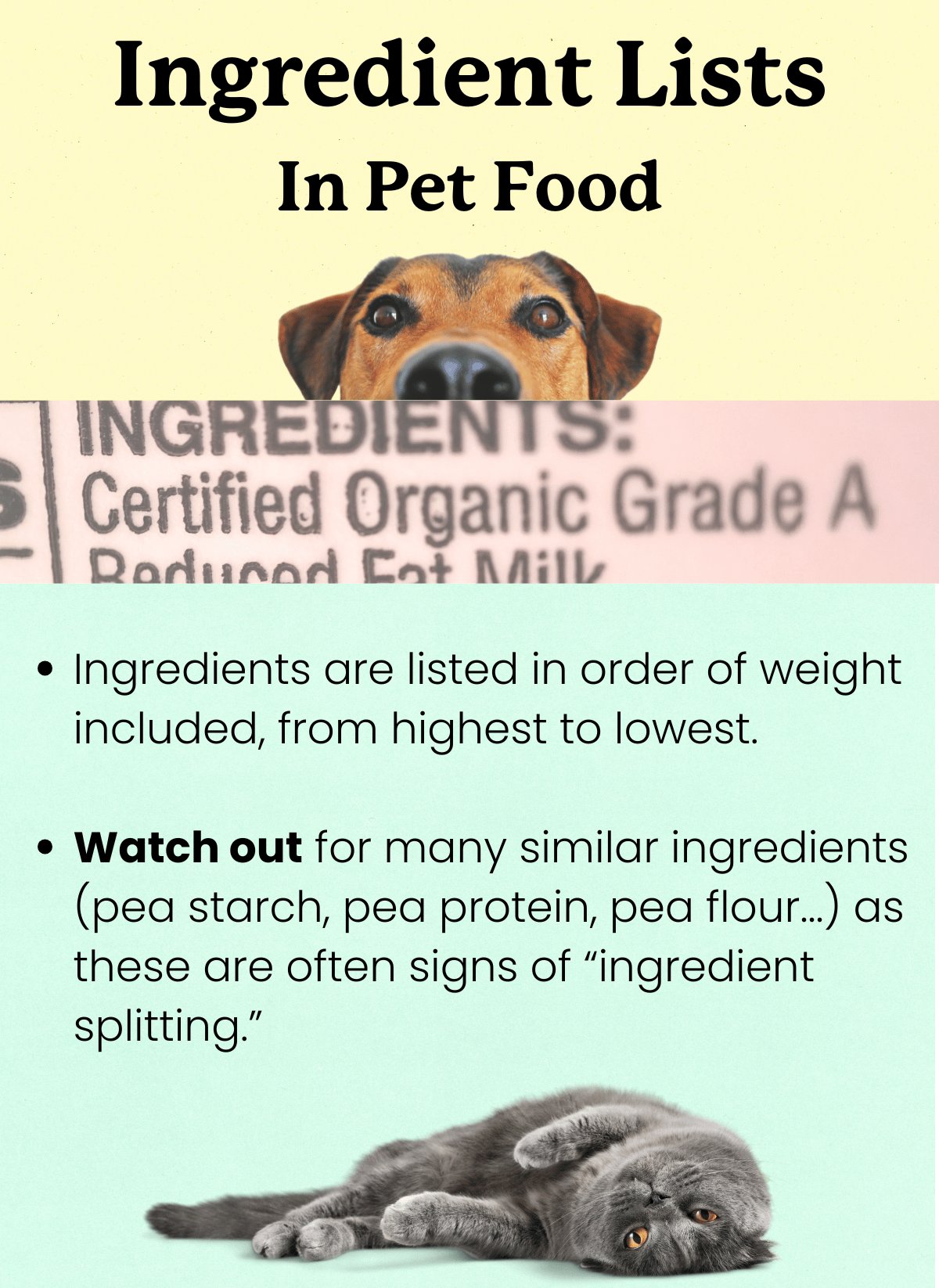
The ingredients list shows what goes into your dog’s bowl and in what proportions. Ingredients must appear in order of weight before cooking, so water‑rich items like fresh meat may rank higher than dry ones such as meal or rice. The list does not show quality, but it does reveal protein sources, types of carbohydrates, fats, and any additives. By scanning the list calmly, owners can quickly judge whether the food mainly supplies animal protein or relies on cheaper plant sources and fillers.
Ingredient order and what it tells you
Ingredients on dog food labels are listed in order of weight before cooking. The first few ingredients usually make up most of the recipe, but high‑moisture meats weigh more than dry ingredients. For example, “chicken” may appear before “corn meal,” even if, on a dry‑matter basis, the corn provides more of the calories. Therefore, owners should scan the first 5–7 ingredients as a group, not rely on the very first ingredient alone.
Animal proteins, grains, and veggies
Animal protein should be the main nutrient source in dog food. Look for named meats such as chicken, beef, salmon, or lamb, along with clearly specified meals (e.g., chicken meal). Grains and vegetables such as rice, oats, barley, peas, and carrots provide energy and fiber. Varied, recognizable ingredients usually indicate better nutritional balance than vague terms or heavy use of starches alone.
Preservatives, colors, and additives
Preservatives, colors, and other additives are included to keep dog food safe, stable, and appealing. Preservatives such as mixed tocopherols (vitamin E), ascorbic acid (vitamin C), or rosemary extract are generally considered safer than artificial options. Artificial antioxidants like BHA, BHT, and ethoxyquin are more controversial. Colors and flavors are added for human appeal, not canine health, so a shorter, simpler additive list is usually preferable.
Red flags and low‑value fillers
Low‑value fillers add bulk but little nutrition. Common examples include corn gluten meal, wheat middlings, soybean hulls, cottonseed hulls, cereal by‑products, and vague terms like “animal digest”. Large amounts of “meat by‑product” or “poultry by‑product” without naming the species are also concerning. Red flags include long lists of plant by‑products before animal proteins and many cheap fillers appearing in the top five ingredients.
Nutritional Adequacy Statement
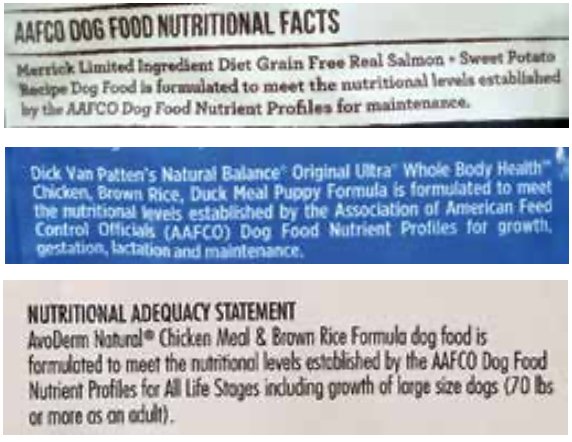
The nutritional adequacy statement shows whether a dog food actually meets recognized standards, not just marketing claims. It usually appears near the ingredients or feeding directions. Look for wording such as “formulated to meet the nutritional levels established by AAFCO” or “animal feeding tests using AAFCO procedures”. If no adequacy statement appears, the product is generally not intended as a sole, everyday diet, but more as a treat or supplemental food.
“Complete and balanced” explained
On a dog food label, “complete and balanced” means the product provides all essential nutrients in the right proportions according to recognized standards. In most countries, that standard is AAFCO nutrient profiles for a specific life stage, such as growth or adult maintenance. A food without this wording is usually a supplement or occasional treat, not suitable as the main daily diet. Always confirm that the phrase is followed by the life stage it is formulated for.
AAFCO feeding trials vs formulation
On many dog foods, the adequacy statement will say the recipe is complete and balanced either by AAFCO feeding trials or by formulation.
- Feeding trials: the diet has been fed to real dogs under veterinary supervision and shown to support health over time. This method checks both nutrients on paper and how well dogs actually use them.
- Formulation: the recipe is built to meet AAFCO nutrient profiles on paper using lab values, but has not been tested in a feeding study.
Feeding trials generally provide stronger evidence. However, well‑formulated diets from reputable brands can also be appropriate, especially when supported by veterinary nutritionists and long‑term use in the real world.
Life stage, size, and special needs
The nutritional adequacy statement always links the recipe to a life stage (growth/puppy, reproduction, adult maintenance, or all life stages). Puppies and pregnant or nursing dogs require higher energy and specific nutrients; senior dogs often benefit from controlled calories and joint support. Some foods mention size (small/medium/large breed), reflecting kibble size and bone‑growth control. For dogs with allergies, kidney disease, or other special needs, owners should choose a diet designed for that condition under veterinary guidance.
Calorie Content and Feeding Guide
Calorie information and feeding directions tell owners how much energy a food provides and how much to serve. Even a high‑quality formula can cause weight gain or poor condition if the portion is wrong.
Calorie content (kcal) allows comparison between brands and between dry and wet foods. The feeding guide translates those calories into suggested daily amounts based on body weight. Used together—and adjusted for age, activity, and body shape—they help keep dogs at a healthy weight and reduce the risk of obesity‑related disease.
Finding kcal per cup or can
Calorie content is usually shown as kcal per cup, per kilogram, or per can. Look for wording such as “Metabolizable Energy (ME): 3800 kcal/kg; 400 kcal/cup.” For dry food, the kcal per cup number is easiest to use at home. For wet food, check kcal per can or pouch, not per kilogram only. When comparing foods, always compare the same unit (cup to cup, can to can), or ask a vet to help calculate if only kcal/kg is listed.
Using feeding directions wisely
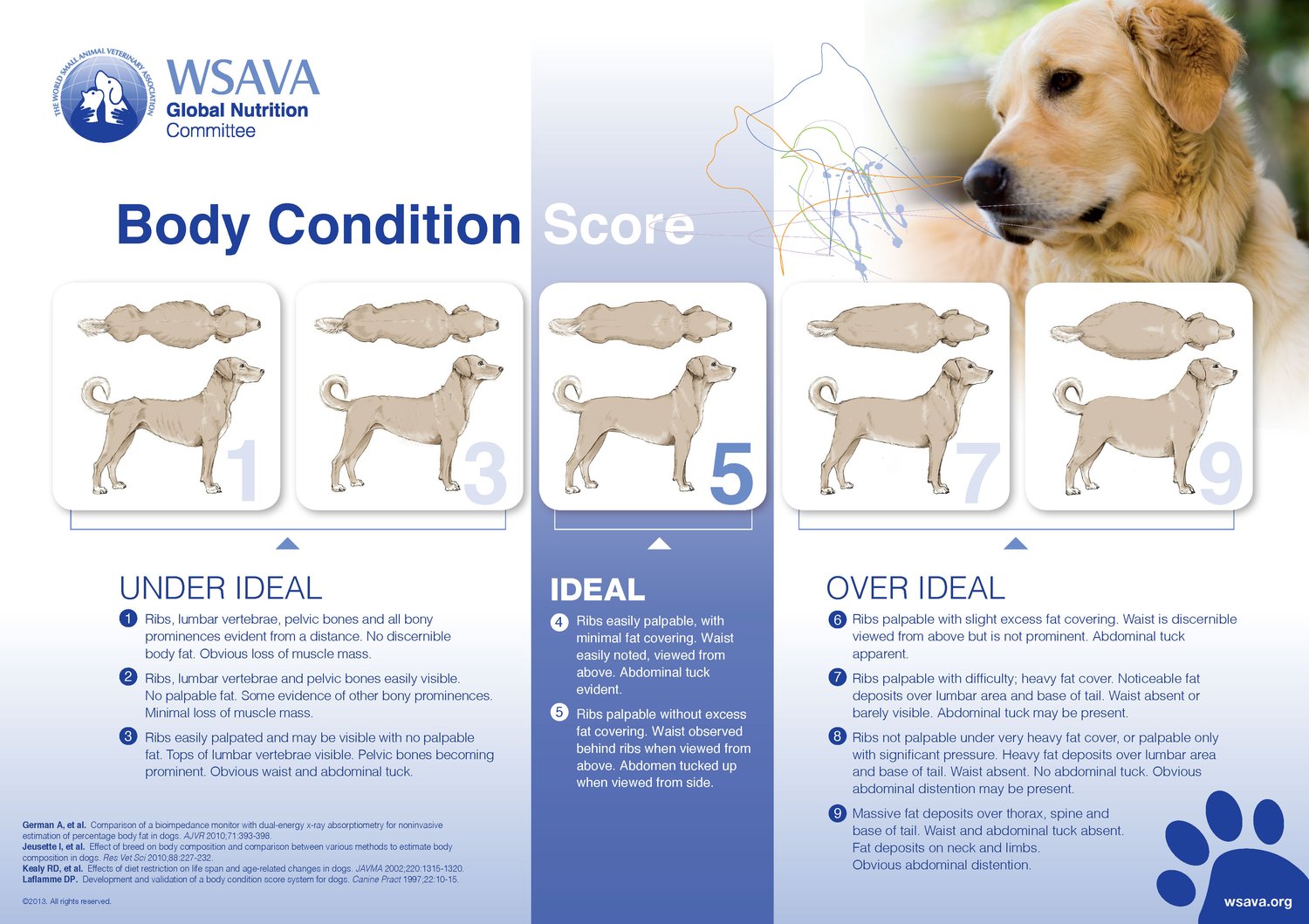
Feeding directions are a starting guideline, not a fixed rule. The amounts listed are usually for a healthy, active dog of a certain weight and may not match an individual dog’s needs. First, confirm the correct weight range and life stage on the chart. Next, use the lower end of the suggested range for indoor or calm dogs, and the higher end for very active dogs. Always pair label directions with body‑condition checks and regular weighing.
Adjusting amounts for your own dog
The amount on the label is only a starting point. Each dog burns calories differently, so owners should adjust portions based on body condition and weight trends. Check ribs and waist weekly; if weight increases, reduce by 5–10%, and if weight drops or the dog seems hungry and thin, increase slightly. Changes in activity, age, or health also require portion review, so recheck the label and adjust whenever lifestyle shifts.
Dates, Batches, and Manufacturer Info
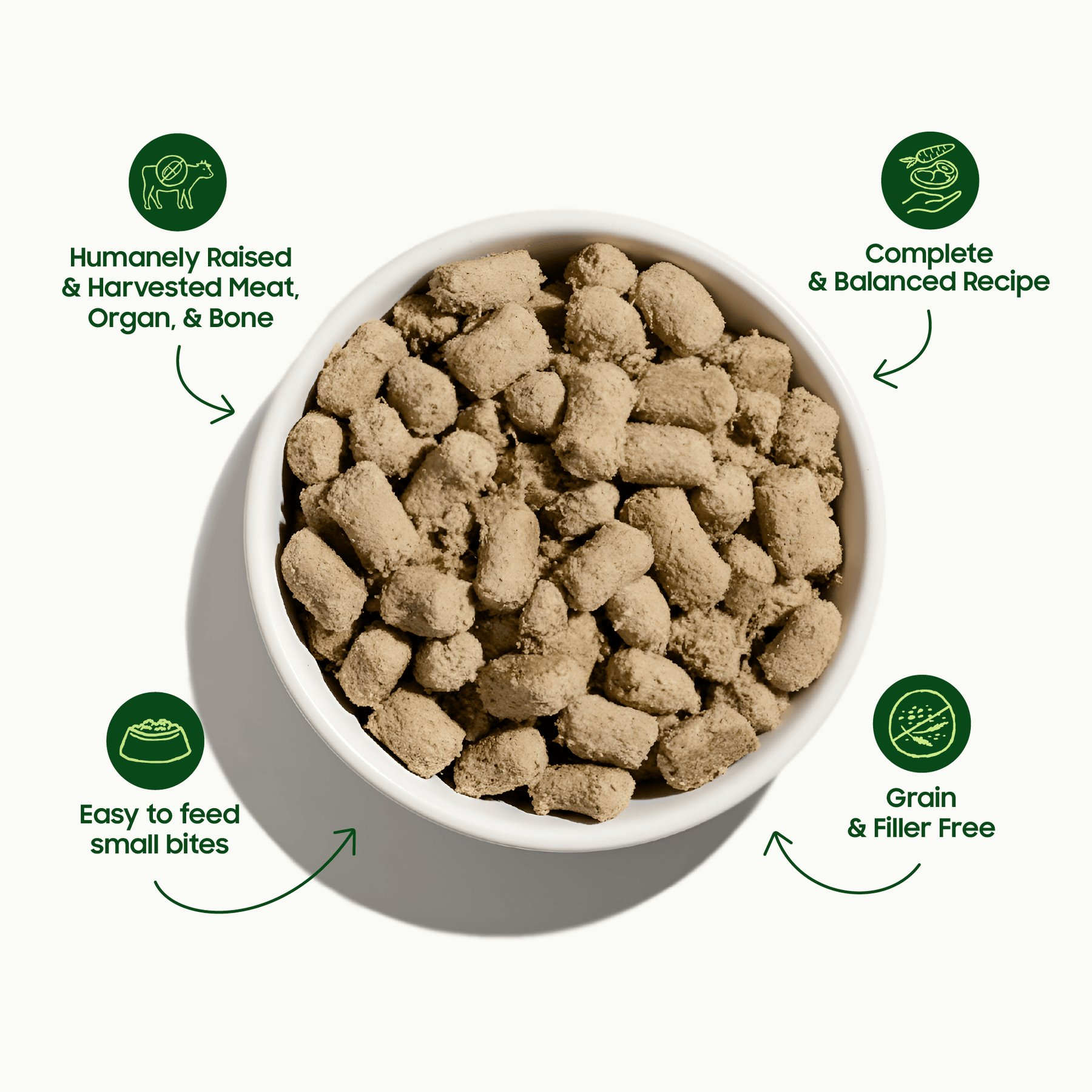
Dates, codes, and company details often look unimportant, but they protect a dog’s safety, health, and your wallet. Date information helps judge freshness and nutrient stability. Batch or lot numbers allow a product to be traced and included in recall notices. Clear manufacturer information shows who is responsible for quality control and how to contact the company if problems occur or questions arise about a dog’s food.
Best by dates and freshness
“Best by” or “use by” dates show how long the food is expected to stay at peak quality when stored correctly. Choose bags and cans with the furthest date in the future, especially for dry food that may sit open for weeks. Store in a cool, dry place and close packaging tightly or use an airtight container. Avoid bags with tears, swelling cans, strong odors, or signs of moisture, as freshness and safety may already be compromised.
Lot numbers and recalls
Lot or batch numbers identify exactly when and where a dog food was made. In a recall, manufacturers list affected lot numbers, not only product names. Owners can then check the code printed near the best by date and compare it with recall notices. Without a lot number, it is very hard to know if a particular bag or can is safe, so consistent checking protects a dog from potential problems.
Brand, maker, and contact details
Manufacturer information helps owners know who is actually responsible for the food. Labels must show the name and address of the manufacturer, packer, or distributor. Many brands also list a website and customer service phone number or chat. Reliable companies welcome contact, publish nutrition details, and answer questions about ingredients, sourcing, and recalls. When unsure about a product, use the listed contact to request clarification before buying or feeding.
What Marketing Terms Really Mean
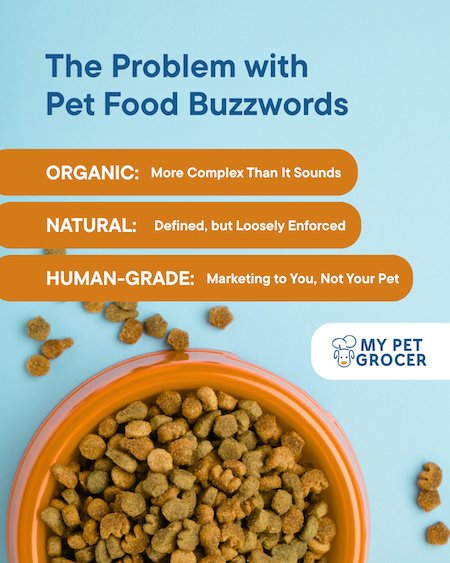
Marketing phrases on dog food often sound scientific or luxurious, but many are only loose marketing terms. They may suggest higher quality without guaranteeing better nutrition. Owners are encouraged to focus first on the nutritional adequacy statement, ingredients, and calories, then read claims such as “premium,” “holistic,” or “gourmet” as advertising, not proof of superior health value.
Natural, organic, and human‑grade
Terms like natural, organic, and human‑grade sound reassuring, but each has a specific meaning.
| Term | What it generally means | Key point |
|---|---|---|
| Natural | Ingredients from plant, animal, or mined sources, with limited processing | Does not automatically mean healthier |
| Organic | Must follow organic farming rules; only meaningful if certified | Look for a certifying body seal |
| Human‑grade | All ingredients and processing meet human food standards | Strong processing controls, but not a guarantee of better nutrition |
Owners are advised to use these words as one factor, not the main reason to choose a food.
Grain‑free and “new protein” diets
“Grain‑free” and “new protein” (novel protein) foods are often marketed as healthier, but they are only useful for specific dogs. Grain‑free diets may help in rare cases of true grain allergy, yet most dogs tolerate grains well. Some grain‑free foods have been linked to heart problems under investigation, so veterinary guidance is recommended.
Novel proteins such as duck, venison, or kangaroo are designed mainly for allergy or elimination diets. They should be chosen with a veterinarian, not only for fashion or marketing appeal.
Lite, low‑fat, and weight control
Terms such as lite, low‑fat, and weight control have specific meanings. In many regions, “lite” or “light” must meet a legally defined lower calorie level compared with a standard product from the same brand. “Low‑fat” usually means reduced fat, but exact rules vary, so checking the calorie line is essential.
Weight‑control foods are often higher in fiber and lower in calories per cup to help dogs feel full. However, free‑feeding can still cause weight gain. Always compare kcal per cup and follow portion guidance, then adjust with the help of a veterinarian based on body condition and activity.
Matching a Food to Your Own Dog
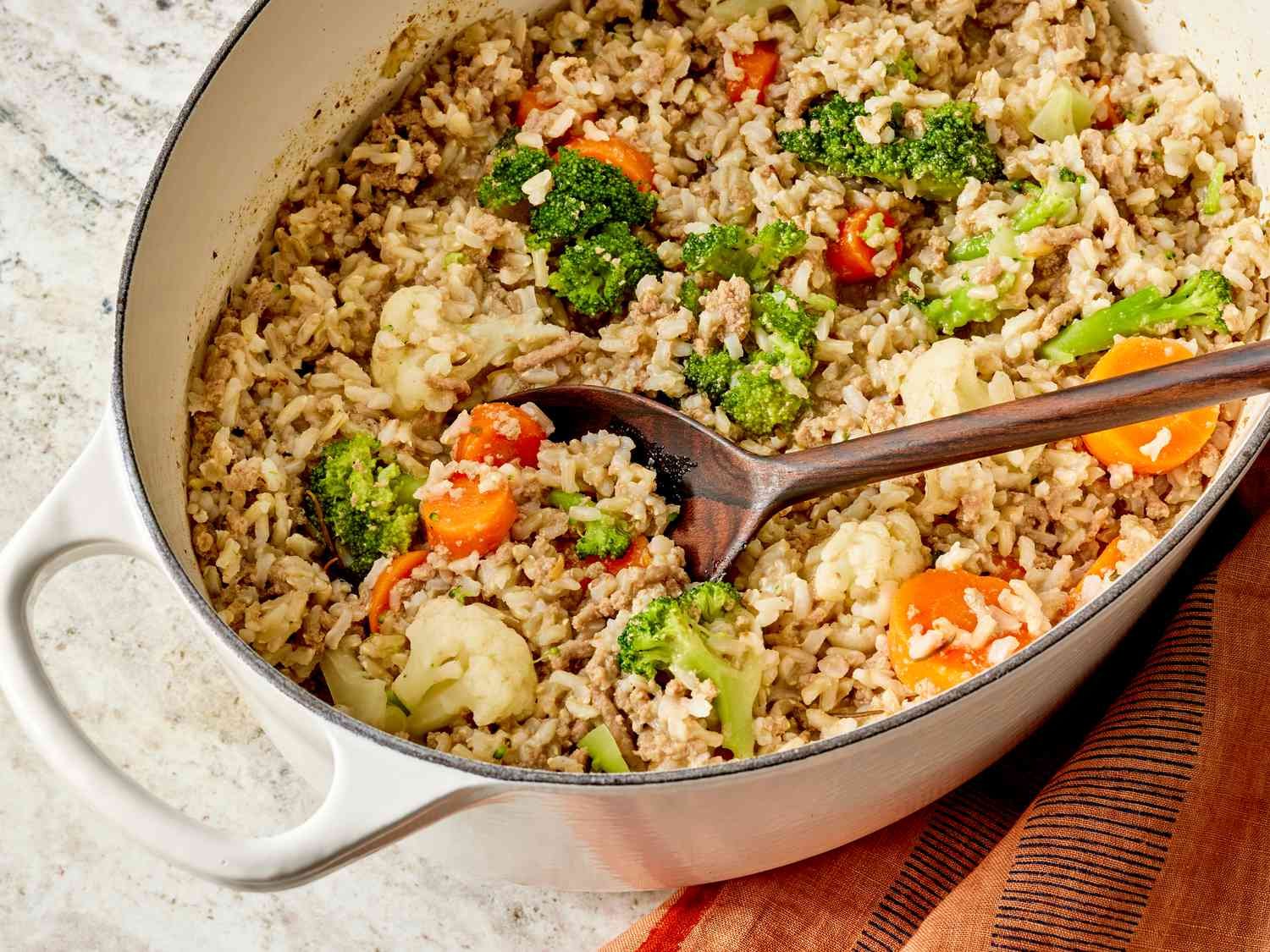
Choosing food starts with your individual dog, not the prettiest bag. Consider age, size, activity level, body condition, and any health issues. A small indoor senior needs fewer calories and often easier‑to‑digest recipes. A young, active large‑breed dog needs controlled minerals and higher protein. Always pair the label with your dog’s weight, stool quality, energy level, and skin/coat condition, and consult a veterinarian if any concern appears.
Puppies, adults, and seniors
Puppies, adult dogs, and seniors have very different nutritional needs, so the label must match age.
- Puppies: look for “growth” or “all life stages” and DHA for brain development. Small, frequent meals and higher protein and fat are important.
- Adults: choose food labeled for “adult maintenance” with balanced calories to keep ideal body condition.
- Seniors: many benefit from foods tailored for “senior” or “mature”, often with adjusted calories, joint support, and easily digestible ingredients. Always transition slowly between life‑stage diets.
Active, indoor, and overweight dogs
Energy needs differ greatly between sporty, mostly‑indoor, and overweight dogs, even at the same age and size. Active dogs often need more calories and higher protein for muscle recovery. Indoor and low‑activity dogs usually require fewer calories and more controlled fat to prevent weight gain. Overweight dogs benefit from foods labeled “weight control” or “lite” that offer lower energy density but higher fiber, helping them feel full on fewer calories. Always adjust the amount fed according to body condition.
When to ask your vet or nutritionist
Consultation is recommended whenever label information and a dog’s condition do not match. Examples include poor coat quality, digestive upset, weight gain or loss, low energy, or increased thirst or urination after a food change. A veterinarian can rule out disease and adjust calories or nutrients. A board‑certified veterinary nutritionist is especially helpful for home‑cooked diets, food allergies, kidney or liver disease, pancreatitis, and obesity. When in doubt, save photos of the label and bring them to the appointment.
Common Label Myths and Mistakes

Many owners try to read labels carefully but still fall into common traps. Typical mistakes include trusting only marketing words like “premium” or “natural,” judging quality only by brand image, or assuming grain‑free is automatically healthier. Others rely strictly on the feeding chart without watching body condition. Understanding myths around ingredients, price, and portions helps owners choose food based on evidence, not advertising and keeps dogs at a healthy weight.
Focusing only on the first ingredient
Many owners judge food quality only by the first ingredient. However, fresh meat contains a lot of water, so its weight looks high before cooking. After drying, grains or by‑products lower on the list may make up more of the calories. Also, label rules allow splitting similar ingredients (for example, “corn meal, corn gluten, corn flour”) so each appears lower. Always review the whole list, guaranteed analysis, and calories together, not just the first word.
Assuming higher price is always better
Many owners assume a higher price automatically means higher quality, but cost does not always reflect nutrition. Price can be driven by marketing, packaging, or trendy claims rather than better ingredients or research. Some premium brands invest heavily in advertising, while reputable mid‑priced foods invest in formulation and safety. The most reliable approach is to compare nutritional adequacy, ingredient quality, and company transparency, not price alone.
Over‑ or under‑feeding from the label
Label feeding guides are starting points, not exact prescriptions. They are usually calculated for dogs with normal activity and metabolism, so many pets will gain or lose weight if owners follow them strictly. Begin at the lower end of the suggested range, then watch body condition and weight over 2–4 weeks. Adjust by 5–10% at a time. Treats count as calories too, so reduce the daily portion when offering snacks to avoid quiet over‑feeding.
A Handy Checklist for Store Visits
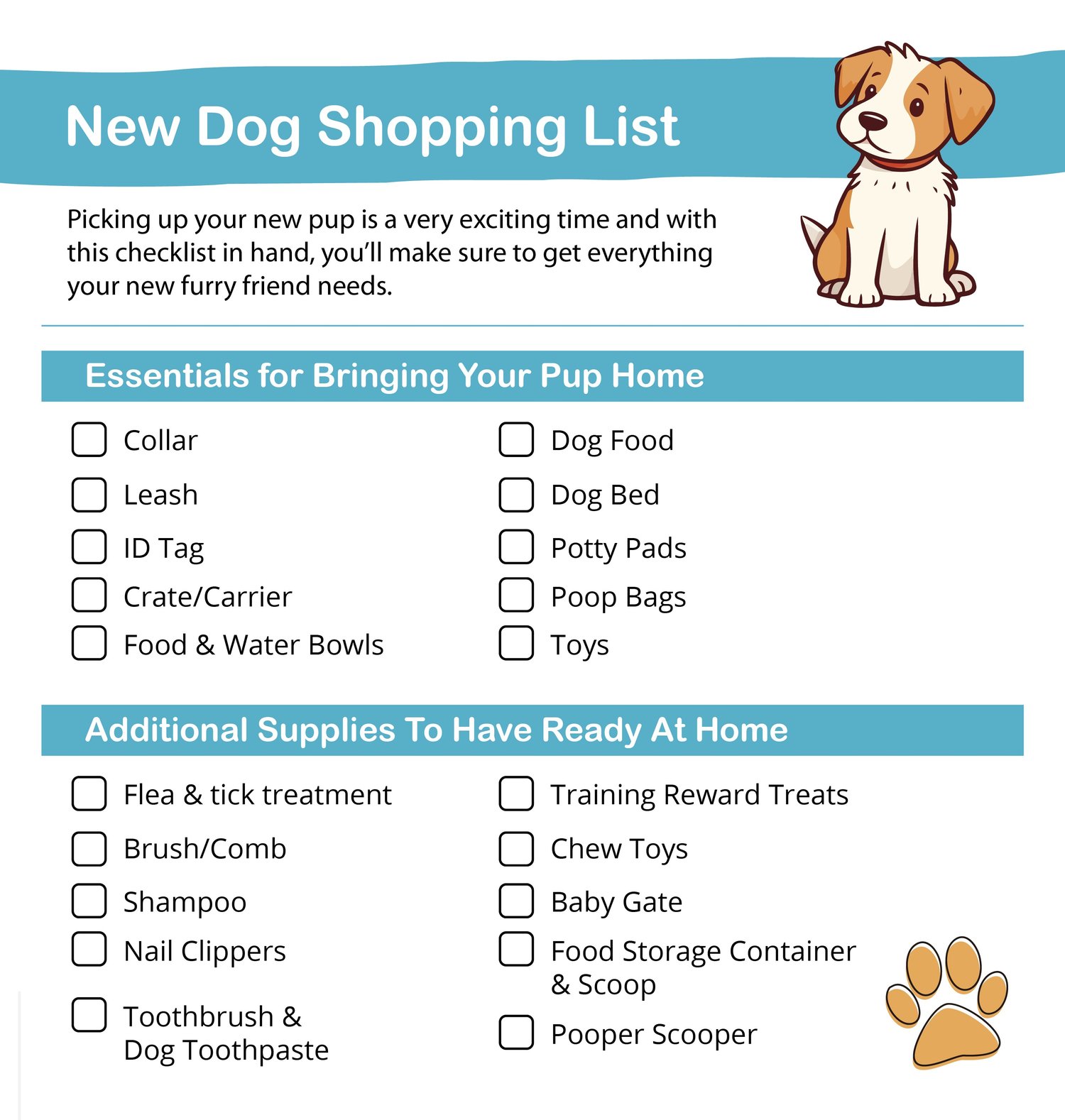
Store visits are easier with a simple mental checklist. Aim to confirm: product name and life stage, nutritional adequacy statement, guaranteed analysis, ingredients order, and calorie content per cup or can. Next, check feeding guidelines, best‑by date, and manufacturer contact information. Finally, scan for marketing terms (grain‑free, natural, organic) and ask whether each truly fits the dog’s age, size, activity, and health needs.
Key items to scan in 30 seconds
In a hurry, focus on the following points in order:
- Product name – hints at how much real meat is included.
- Life stage / size – look for “complete and balanced” for puppy, adult, or senior, and small or large breed if needed.
- Nutritional adequacy statement – confirms AAFCO-compliant complete and balanced nutrition.
- Calories per cup or can – essential for avoiding weight gain.
- First 5 ingredients – check for quality animal protein near the top.
- Any red‑flag terms – such as “flavor” only, vague meat sources, or excessive colorings.
If all six points look appropriate for the dog’s age, size, and activity level, the food is usually a reasonable candidate to consider further.
Questions to ask before you buy
Before choosing a dog food, owners can quickly run through a few key questions:
- Is it labeled “complete and balanced” for my dog’s life stage and size?
- Which AAFCO method is used: feeding trials or formulation?
- What is the main animal protein, and is my dog okay with it?
- How many kcal per cup/can, and does that suit my dog’s activity level?
- Are there any ingredients my dog has reacted to before?
- Does the brand provide clear contact details and nutrition information online?
- Has this food or brand had recent recalls or safety concerns?
Owners who cannot confidently answer these points are encouraged to ask a veterinarian or the manufacturer before buying.
This article provides a clear and easy-to-understand explanation of everything you need to know about dog food labels, from how to read ingredient lists and check calories and feeding amounts, to the meaning of terms and how to choose the right food for your dog's age and size, so that pet owners can quickly make informed decisions at the store.




















![[Popular dog food rankings] Recommended dog food and how to choose it](https://with-my-dog.com/wp-content/uploads/2021/10/入れ替え_5枚目-300x200.jpeg)