
The ingredients in dog food, which your dog eats every day, are said to be very important for protecting your dog's health. However, even when looking at the list of ingredients on the back of the package, it is difficult to judge whether it is truly safe and what to avoid. In this article, we will explain in an easy-to-understand, third-party perspective 11 dangerous ingredients in dog food that you should be careful about, and safe and healthy alternative ingredients that you should choose instead. Knowing what to check on ingredient labels will allow you to choose food with more confidence.
Why Dog Food Ingredients Matter

Dog food ingredients directly influence a dog’s energy, digestion, skin, coat, and long‑term disease risk. Even when products meet basic standards, formulas may still contain low‑quality proteins, excess fillers, and harsh additives. Many problems owners notice—itchy skin, soft stool, weight gain, or dull coat—often trace back to what is in the bowl every day.
Understanding ingredients also helps owners see past marketing words like “premium” or “natural.” Real meat, clear labeling, and minimal unnecessary additives are more reliable indicators of quality than pictures or slogans on the bag.
How diet affects your dog’s health
A dog’s daily diet directly shapes energy levels, weight, skin, coat, and long‑term organ health. Poor‑quality ingredients can contribute to digestive upset, itching, ear infections, obesity, and even increased risk of chronic diseases over time. In contrast, balanced nutrition with clear, high‑quality proteins, moderate fats, and digestible carbs supports strong immunity, stable moods, better stool quality, and healthy joints. Small improvements in ingredients, repeated every day, have a large cumulative effect on a dog’s overall lifespan and quality of life.
Common myths about kibble and cans
Many owners believe any commercial kibble or canned food is automatically complete, balanced, and safe. In reality, quality varies widely, and some products rely on low‑grade meats, heavy fillers, and harsh additives. Another myth is that wet food is always healthier than dry food, or that grain‑free recipes are always better. What matters most is clear meat sources, limited additives, and an AAFCO nutritional adequacy statement, regardless of format.
Dog food ingredients to avoid guide
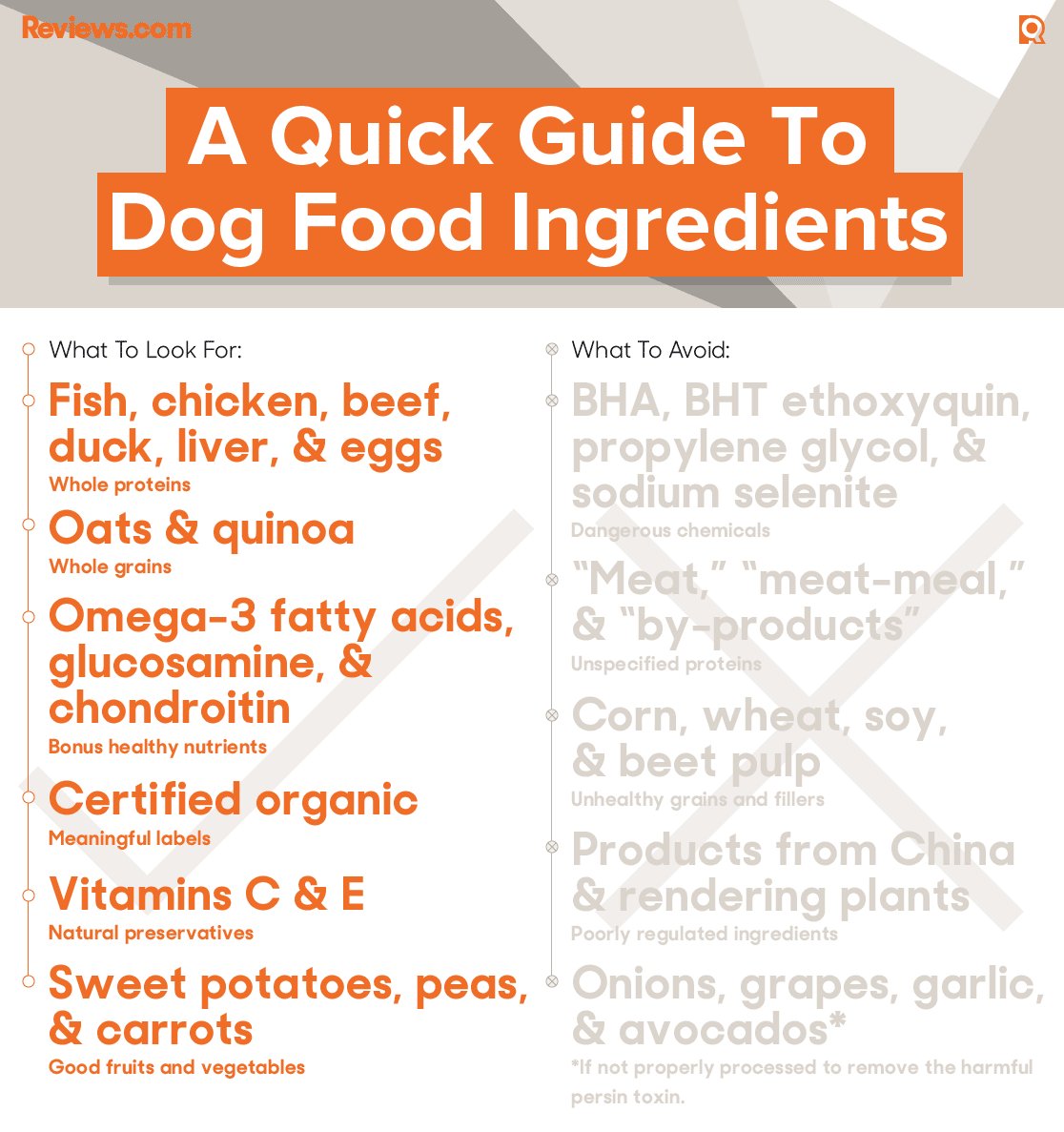
A practical way to think about dog food ingredients to avoid is to group them by risk. Problem ingredients usually fall into four categories: vague or low‑quality animal proteins, excessive cheap carbohydrates, synthetic chemicals and preservatives, and artificial colors or flavor enhancers. Focusing on these groups makes choosing safer food much easier.
| Risk category | Examples often listed on labels | Simple goal |
|---|---|---|
| Questionable proteins | Meat by‑products, animal digest, unspecified meat meal | Prefer clearly named meats |
| Excess carbs & sugars | Corn syrup, excess corn, wheat, soy | Choose moderate, higher‑protein recipes |
| Harsh additives | BHA, BHT, ethoxyquin, propylene glycol, STPP, SHMP | Pick foods with gentler preservation |
| Artificial extras | Food dyes, artificial flavors, MSG‑type boosters | Look for natural colors and flavors only |
By learning to recognize a few key phrases on the label, dog owners can quickly avoid higher‑risk recipes and move toward foods that support long‑term health.
How to scan an ingredient label fast
A quick scan focuses on the first five ingredients, where most nutrients come from. Look for named animal proteins (chicken, salmon, turkey meal) at the top, then quality carbohydrates and fats. Next, run your eye down the list for problem terms: vague meats, artificial colors, added sugars, and long chemical names. Finally, check for a AAFCO statement to confirm the food is complete and balanced for your dog’s life stage.
Red flags to watch for on the bag
On dog food packaging, several wording patterns work as clear warning signs:
- Vague meats such as “meat,” “animal,” or “poultry” without naming the species
- “By‑products” or “digest” listed high in the ingredients
- Long chemical strings for colors, flavors, or preservatives
- Sugar terms like corn syrup, fructose, or caramel near the top
If many of these appear before real meat and named fats, the product is usually better avoided.
1. Meat By‑Products and Mystery Meats
Meat by‑products and “mystery meats” often come from parts of animals not usually eaten by humans, such as organs, heads, feet, or beaks. In small amounts, clearly named organ meats can be nutritious, but problems start when labels simply say “meat by‑product” or “animal by‑product” with no species listed. Such wording can hide very low‑quality material and makes it impossible to judge safety or digestibility.
For many dogs, regularly eating poorly defined by‑products may mean more digestive upset, dull coat, or difficulty identifying allergens. As a safer rule of thumb, owners are encouraged to favor recipes with clearly named meats (for example, chicken, turkey, salmon) at the top of the ingredient list and to be cautious when the main protein source is vague or unspecified.
Why vague meat terms are risky
Vague terms such as “meat,” “animal,” or “poultry by‑products” usually mean a mix of low‑quality parts from many species. The source can change from batch to batch, so quality and nutrients are unstable. Such wording can also hide organs of unknown health, feathers, or beaks, and may be risky for dogs with allergies. Clear, named meats are safer because the protein origin is transparent.
Safer protein sources to pick
For safer protein, look for clearly named animal sources high on the ingredient list. Good choices include “chicken,” “turkey,” “beef,” “salmon,” “lamb,” or “chicken meal” (named meals can be very digestible). Avoid vague phrases like “animal,” “meat,” or “poultry” without a species.
A simple rule is helpful: if the animal is not named, skip the food. Many dogs also do well on recipes that combine named meat with egg, fish, or limited-ingredient formulas, which reduce the risk of hidden allergens.
2. Non‑Specific Meat Meals
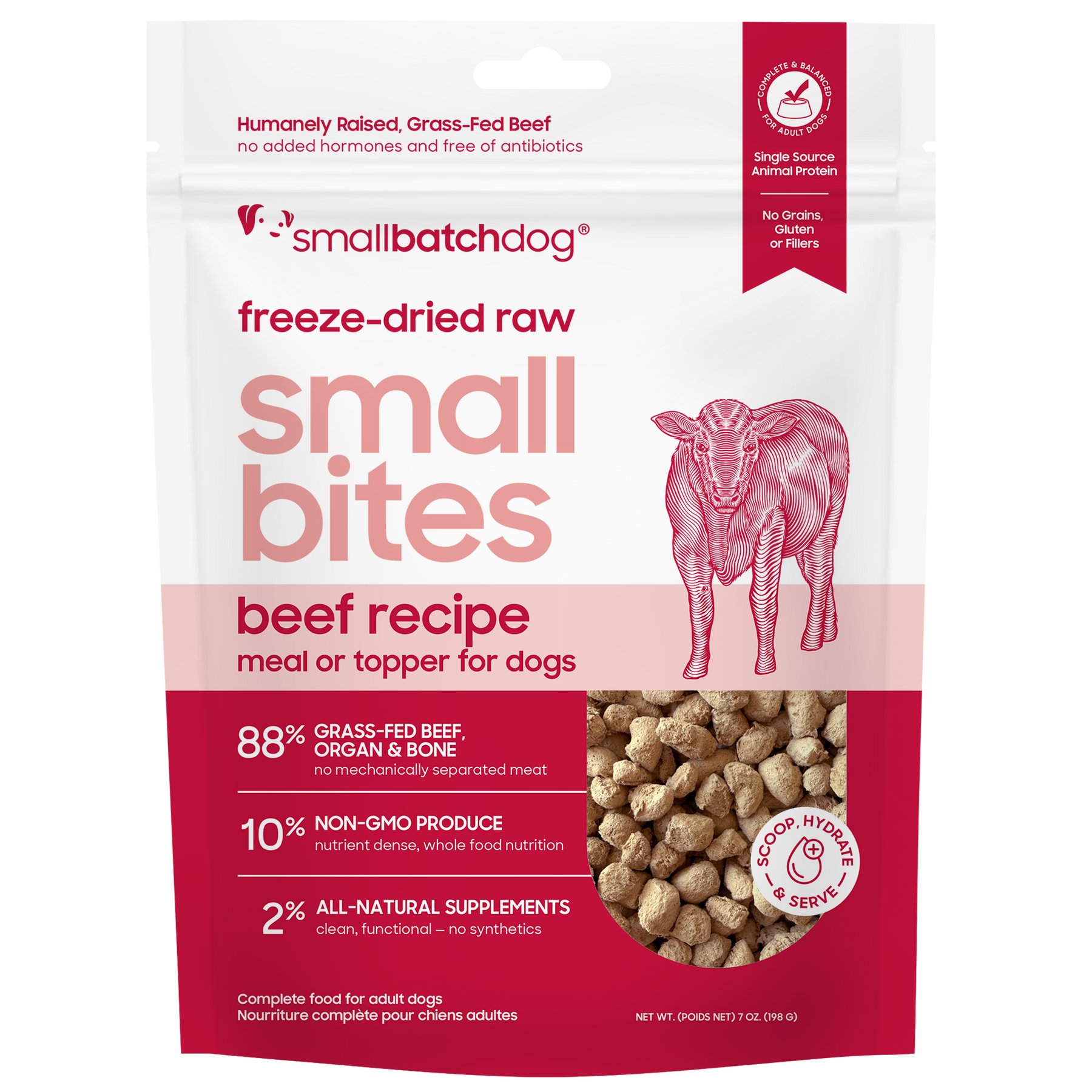
Non‑specific meat meals appear on labels as “meat meal,” “animal meal,” or “poultry meal” without a species name. In many cases, low‑quality leftovers from multiple animals are mixed and rendered at high temperatures. Nutrient value becomes unpredictable, and contamination risk can increase.
For safer formulas, look for clearly named meals such as “chicken meal” or “turkey meal”. AAFCO allows high‑quality, species‑named meals, so absence of a clear species is an important warning sign for dog owners.
When “meat meal” is a problem
“Meat meal” becomes concerning when the source is unclear. Phrases like “meat meal,” “animal meal,” or “poultry meal” without a species name usually indicate a mix of low‑quality leftovers from various animals. Quality and safety are harder to control, and the source may change from batch to batch. For sensitive or allergic dogs, such vague terms also make it difficult to trace what triggered itching, stomach upset, or ear infections.
Healthy named meals and whole meats
“Named” meals and whole meats give far more transparency about protein quality. Look for clear terms such as “chicken,” “turkey,” “salmon,” “lamb,” or “chicken meal,” “turkey meal” instead of vague “meat meal.” Named meals are made from specific animals and usually contain concentrated protein. Whole meats (e.g., deboned chicken) are gentle on digestion and often more palatable, especially for sensitive or picky dogs.
3. BHA, BHT and Ethoxyquin
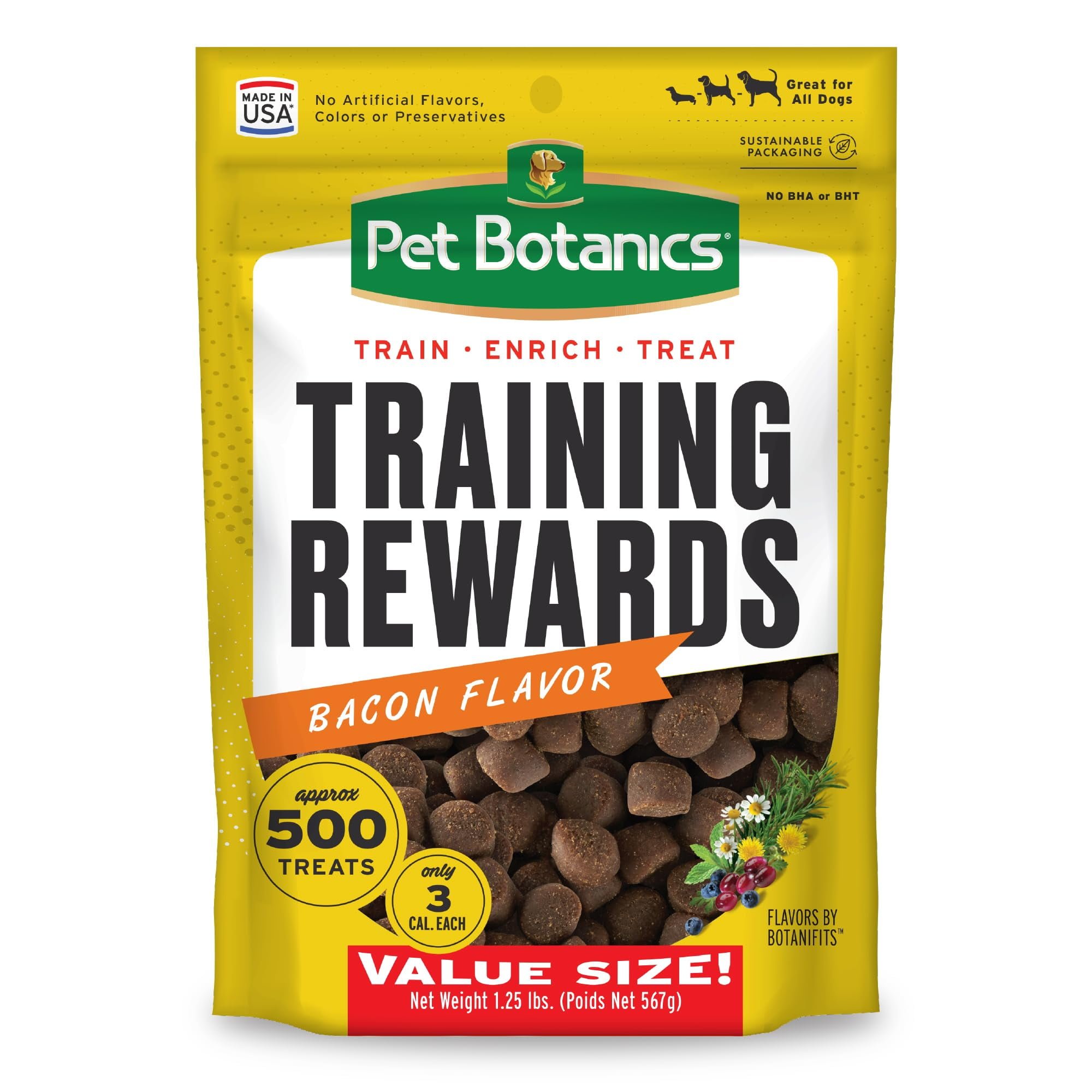
Synthetic antioxidants BHA, BHT and ethoxyquin are often used to keep fats in dog food from going rancid. However, they have raised safety concerns in laboratory studies, including possible links to cancer, organ damage and allergic reactions. For long‑term daily feeding, many veterinarians recommend limiting or avoiding foods that rely on these chemicals when safer natural preservatives are available.
Concerns with synthetic preservatives
Synthetic preservatives such as BHA, BHT, and ethoxyquin extend shelf life, but they raise safety concerns. In laboratory studies, BHA and BHT have been linked to potential cancer risk and hormonal disruption in some animals. Ethoxyquin, originally used as a pesticide, has been associated with liver and skin issues when overused. While legally allowed in small amounts, many veterinarians and nutrition‑focused owners prefer to limit chronic exposure and choose foods preserved with more natural options.
Natural preservative alternatives
Natural preservatives help keep food safe without relying on chemicals linked to potential health risks. Look for mixed tocopherols (vitamin E), ascorbic acid (vitamin C), and rosemary extract on labels. These slow fat oxidation and support shelf life in a gentler way. However, they do not last as long as synthetic agents, so unopened bags should be used before the best‑by date and stored in a cool, dry place to maintain freshness.
4. Artificial Colors and Flavors
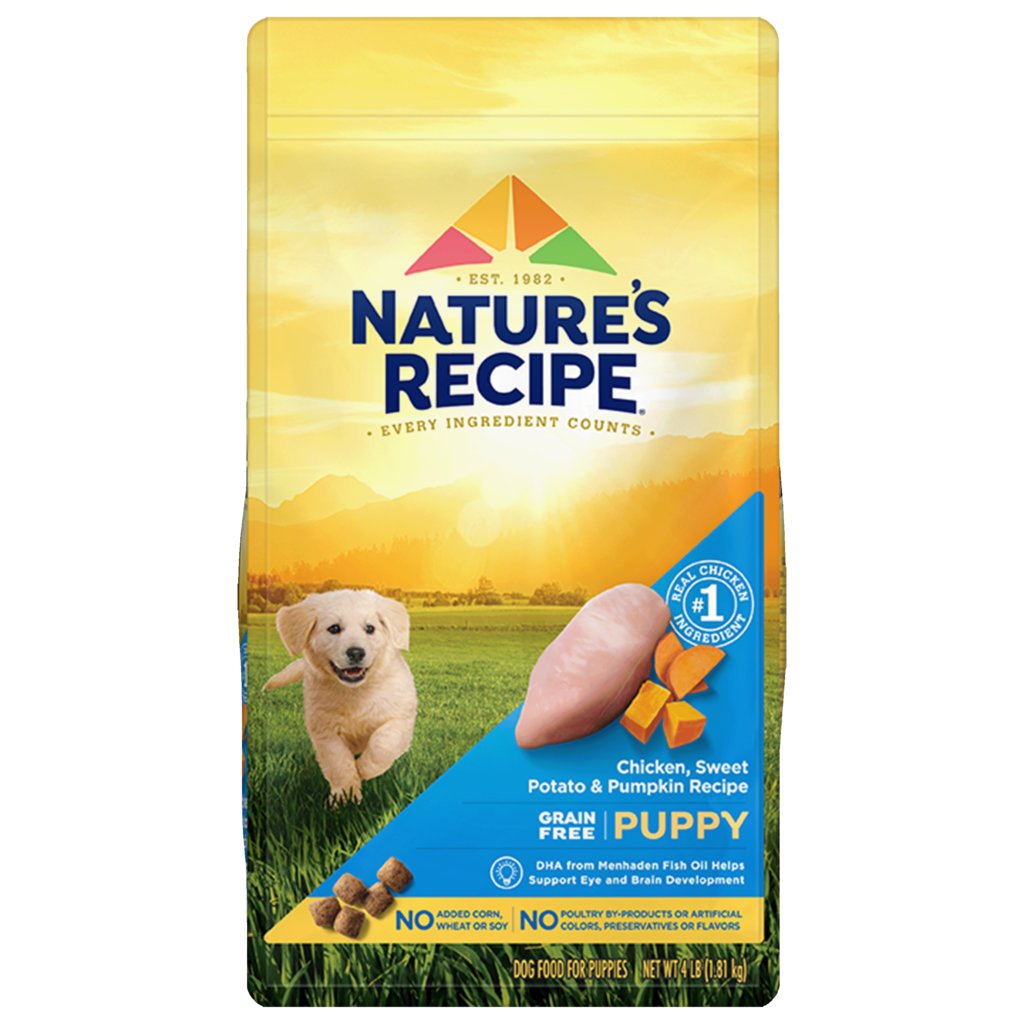
Artificial colors and flavors are added mainly to appeal to humans, not dogs. Dogs care more about smell and meat quality than bright colors or intense taste. Synthetic additives may trigger itchiness, stomach upset, or hyperactivity in sensitive dogs. Because they offer no nutritional benefit, many veterinarians recommend choosing foods that rely on natural ingredients for color and flavor instead of laboratory‑made chemicals.
Why dyes and flavor boosters are used
Artificial colors and flavor boosters are often added to make food look and smell appealing to humans, not dogs. Bright kibble colors suggest different flavors, even though dogs see colors differently. Strong flavor enhancers help low‑quality recipes taste better, encouraging overeating and hiding poor ingredients. In many cases, heavy use of dyes or flavorings signals a focus on marketing over nutrition, so careful label checking is important.
Choosing naturally flavored foods
When choosing naturally flavored dog food, check that meat, fish, or recognizable animal organs provide most of the aroma and taste. Prefer recipes seasoned with herbs, meat broths, or natural smoke instead of artificial flavorings. On the label, look for phrases such as “no artificial colors, flavors, or preservatives”. Simple formulas with short ingredient lists and clear names are generally easier on a dog’s body and make reactions easier to spot.
5. Corn Syrup and Added Sugars
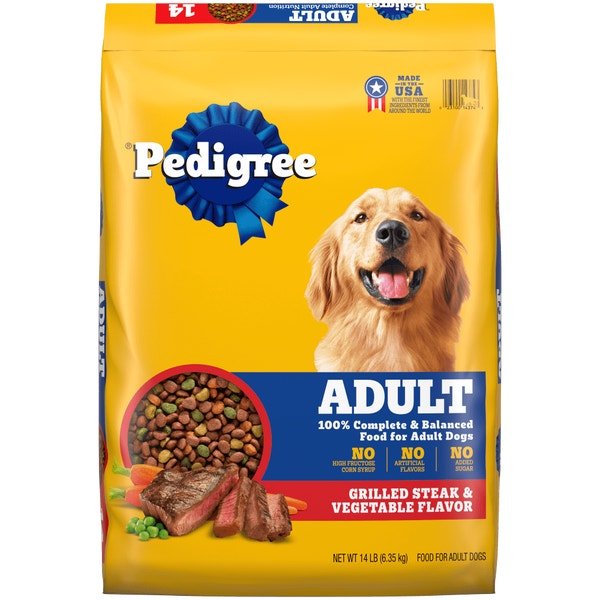
Corn syrup, cane sugar, caramel, fructose, and other added sugars are unnecessary for dogs. They are often used to make low‑quality food or treats more appealing, but dogs do not need sweeteners for palatability or nutrition. Frequent intake can encourage overeating and reduce the proportion of high‑value ingredients such as animal protein and healthy fats in the overall diet.
Sugar’s impact on dogs
Sugar in dog food is mainly added for palatability, not health. Dogs do not need added sugar; they can obtain energy from balanced proteins, fats, and complex carbohydrates. Frequent intake of corn syrup or other sweeteners can contribute to weight gain, obesity, and insulin resistance, and may worsen dental plaque and tartar. Sudden blood sugar spikes can also lead to hyperactivity followed by lethargy. For dogs with diabetes or pancreatitis, added sugars are especially risky and should be strictly limited.
Low‑sugar, low‑carb options
For dogs, less added sugar generally means steadier energy and healthier weight. Owners can choose formulas labeled “no added sugar” or “no corn syrup,” and check that sweeteners do not appear in the first five ingredients. Lower‑carb options include high‑meat kibbles, canned foods with high protein and moderate fat, and gently cooked or raw diets designed by reputable brands. Snacks also matter, so using plain meats, single‑ingredient treats, or veggies like cucumber or green beans helps keep overall sugar and starch intake low.
6. Excess Corn, Wheat and Soy
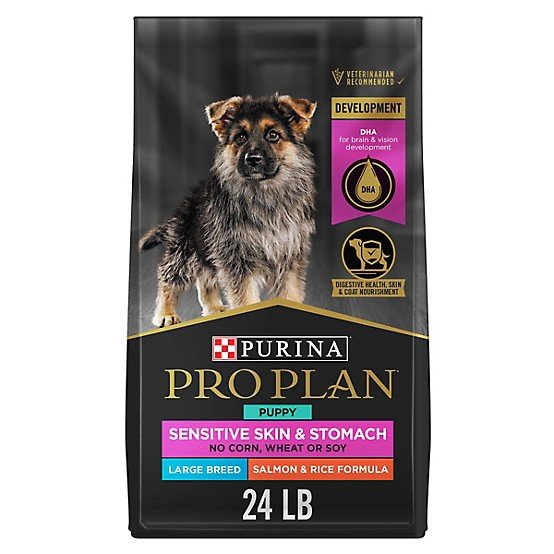
Corn, wheat, and soy are not toxic to most dogs, but large amounts can lower overall food quality. In many low‑cost kibbles, they appear high on the label and act mainly as cheap calories instead of nourishing ingredients. Excess use may contribute to weight gain, unstable blood sugar, and in some dogs, digestive upset or skin problems. Choosing recipes where animal protein is the star and grains or legumes play a supporting role usually leads to better balance and easier digestion.
Fillers vs. nutritious grains
Many kibbles rely on corn, wheat, and soy mainly as cheap fillers, not as meaningful nutrition. In large amounts, such fillers can push out animal protein, spike blood sugar, and may worsen allergies in sensitive dogs. Nutritious grains, by contrast, are whole or lightly processed grains that supply natural vitamins, minerals, and fiber rather than just calories.
| Type | Example ingredients | Role in food |
|---|---|---|
| Low‑value fillers | Corn gluten meal, wheat middlings, soy hulls | Bulk, cheaper calories |
| Nutritious grains | Oats, brown rice, barley, quinoa | Steady energy, fiber, micronutrients |
Better carb and fiber choices
Carbohydrates and fiber are most helpful when they come from named, whole-food sources. Good options include brown rice, oats, barley, quinoa, sweet potato, pumpkin, peas, lentils, and mixed vegetables. These ingredients provide steady energy, vitamins, and gut-friendly fiber, unlike cheap fillers. For sensitive dogs, limited-ingredient recipes with one or two gentle carbs (for example, oat or sweet potato) are often easier to digest and help keep stools firm and regular.
7. Propylene Glycol
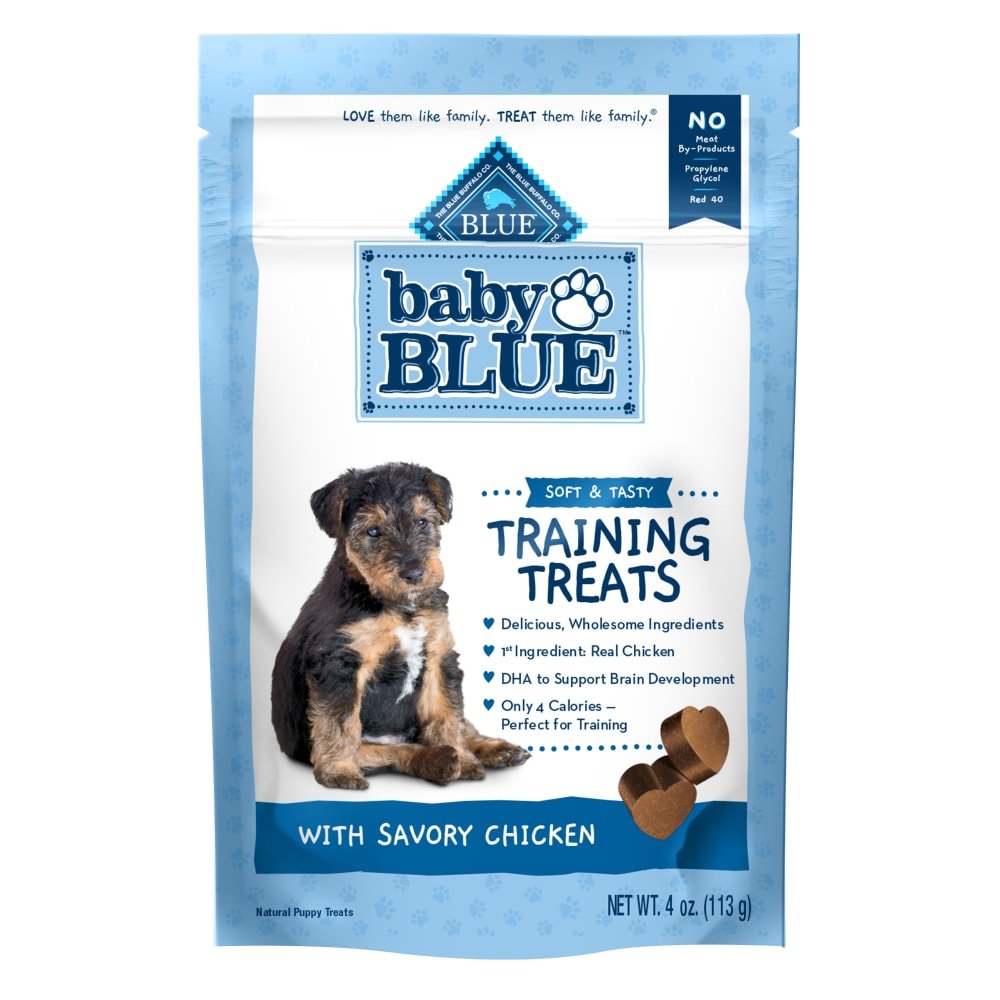
Propylene glycol is a synthetic liquid often used to keep semi‑moist foods soft and prevent them from drying out. In human products it appears in some frostings and processed foods, but dogs are more sensitive to certain additives over time. Large or repeated exposure may affect red blood cells and overall health, especially in small dogs or those with existing conditions. Because propylene glycol offers no nutritional benefit and serves only as a texturizer, many veterinarians recommend choosing dog food and treats that avoid it entirely.
Where it shows up in pet food
Propylene glycol appears most often in semi‑moist kibble and soft, chewy treats because it helps keep them flexible and moist. It may also be found in gravy‑style wet foods, food rolls, and some dental chews where a glossy, soft texture is desired. On labels, it usually appears clearly as propylene glycol in the ingredient list, often alongside humectants like glycerin or sorbitol.
Moist treats without this additive
For dogs that enjoy soft snacks, owners can choose moist treats preserved with natural ingredients instead of propylene glycol. Look for recipes using glycerin from plant sources, mixed tocopherols (vitamin E), or drying methods such as baked or freeze‑dried styles. Refrigerated fresh treats, plain cooked meat, or single‑ingredient jerky are also gentle options with fewer chemical additives.
8. Sodium Tripolyphosphate
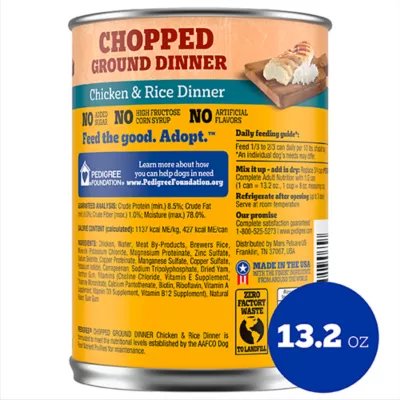
Sodium tripolyphosphate (STPP) is a phosphate-based additive used in many dry foods and treats. Its main purposes are to retain moisture, improve texture, and make the food look plumper. In some products, it is also used as an ingredient to help manage tartar and plaque.
On the other hand, excessive intake of phosphates may raise concerns about strain on the kidneys and cardiovascular system, so particular caution is needed for dogs with chronic kidney disease or senior dogs. If “sodium tripolyphosphate” or “STPP” appears on the ingredient label, it is safer to be mindful of the amount and frequency, such as avoiding frequent feeding or limiting it to supplemental treats rather than using it as a main food.
Why it’s added to kibble
Sodium tripolyphosphate is mainly added to kibble as a water softener and tartar‑control agent. It binds minerals like calcium in saliva, which helps slow tartar buildup on teeth. Manufacturers also use it to improve texture and moisture retention, giving kibble a more appealing crunch and longer shelf life. However, it is a synthetic chemical, so many owners prefer to limit long‑term exposure when possible.
Dental care without harsh chemicals
For dental care, it is safer to rely on mechanical cleaning and gentle, food‑based ingredients instead of strong chemicals. Daily tooth brushing with a soft dog toothbrush and enzymatic toothpaste is the gold standard. In addition, dental chews approved by veterinary dental associations, raw meaty bones suitable for the dog’s size, and dental toys that promote chewing can help reduce plaque. Regular vet dental checks and professional cleanings support oral health without depending on harsh tartar‑control additives in kibble.
9. Sodium Hexametaphosphate
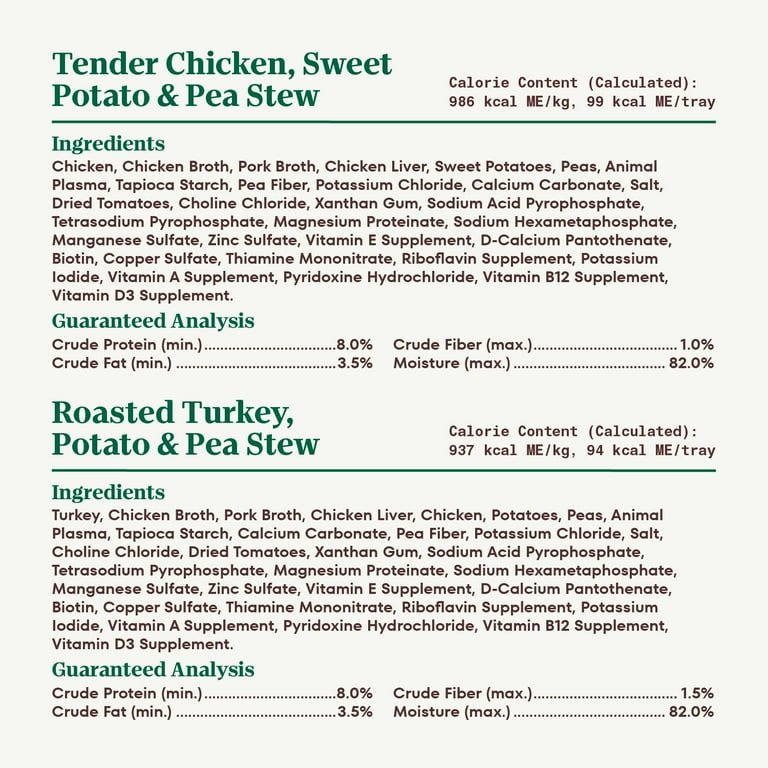
Sodium hexametaphosphate is an industrial‑grade mineral additive often used in “tartar control” kibbles and treats. It works by binding minerals in saliva so plaque cannot harden, but long‑term intake may burden the kidneys and change mineral balance. For many dogs, careful toothbrushing and safer dental products provide adequate care without relying on strong chemical plaque inhibitors mixed into everyday food.
Risks of certain “tartar control” aids
Many “tartar control” kibbles rely on chemical agents such as sodium hexametaphosphate or very abrasive textures. Long‑term use may irritate the mouth, upset the stomach, or affect kidney function in sensitive dogs. In addition, no additive can replace regular toothbrushing and veterinary cleanings, so relying solely on such products can allow hidden dental disease to progress.
Safer ways to protect teeth
Daily care protects teeth more safely than chemical tartar‑control additives. Regular toothbrushing with a dog‑safe toothpaste is the most effective option. Add in dental chews approved by veterinary dental organizations, rubber chew toys, and raw meaty bones only if recommended by a veterinarian. Annual professional cleanings under anesthesia are important for many dogs. A balanced diet with moderate carbs and quality protein also helps limit plaque‑forming residue.
10. Rendered Fats and Flavor Coatings
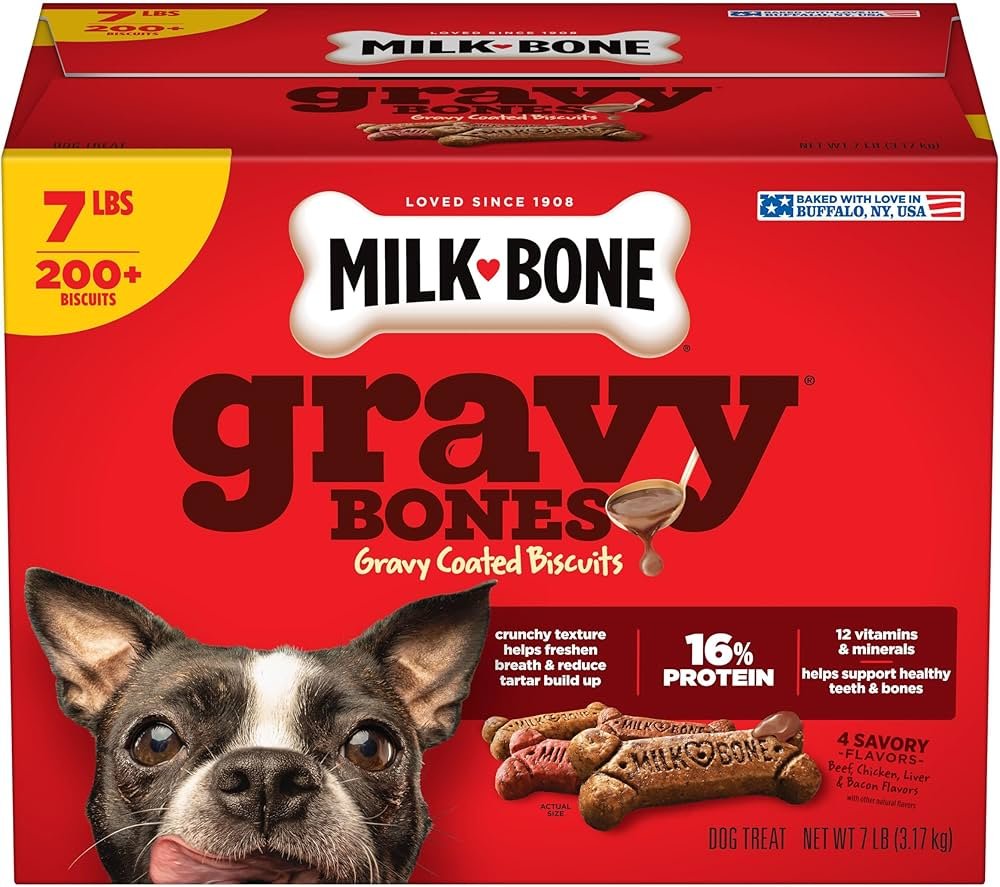
Rendered fat is often sprayed on kibble as a cheap way to make it smell and taste stronger. The source can be mixed animal fat from rendering plants, which may include low‑quality leftovers. Quality and freshness are difficult to verify, so there is a risk of oxidized (rancid) fat, which can irritate the digestive system and may contribute to long‑term inflammation. For safer choices, look for clearly named fats such as chicken fat or salmon oil instead of generic "animal fat" or "poultry fat."
How fats can be contaminated
Rendered fats often come from mixed, low‑grade animal leftovers collected at rendering plants. During high‑heat processing, fats can pick up contaminants such as oxidation products (rancid fats), traces of heavy metals, or residues from medications and pesticides present in the source animals. In addition, stored rendered fat may develop harmful peroxides and off‑odors, so manufacturers sometimes mask problems with strong flavor coatings, which can further reduce overall ingredient quality.
Healthy fat sources for dogs
Healthy fats support your dog’s energy, skin, coat, and brain. Aim for a mix of animal and plant sources in the ingredient list.
| Recommended fat source | Example label wording | Main benefits |
|---|---|---|
| Named animal fat | chicken fat, salmon oil, duck fat | Palatability, essential fatty acids |
| Fish oils | salmon oil, sardine oil, menhaden oil | Omega‑3s for joints, heart, brain |
| Plant oils (in moderation) | flaxseed oil, sunflower oil, canola oil | Omega‑6s, some omega‑3s |
Avoid formulas where “animal fat” or “poultry fat” appears without a species name, and favor foods that balance fats with quality protein and digestible carbs.
11. MSG and Hidden Flavor Enhancers
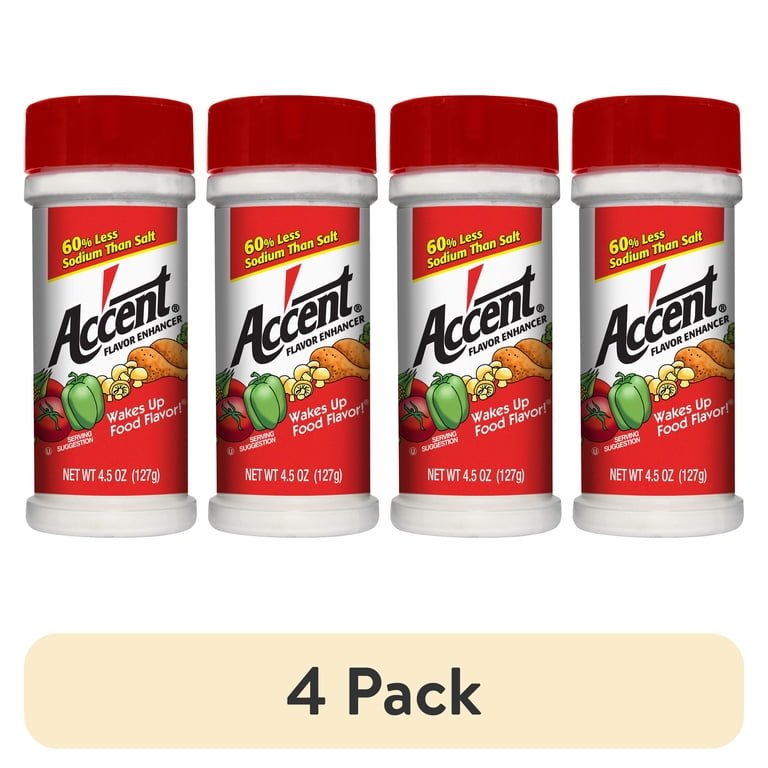
MSG (monosodium glutamate) and similar flavor enhancers are added to make low‑quality kibble or treats taste irresistible, even when the main ingredients are poor. Dogs do not need MSG nutritionally, and some may be sensitive, showing itching, tummy upset, or hyperactivity. Heavy use of flavor enhancers can also mask bland formulas with fewer real meats and whole foods, so strong “meaty” aroma alone is not a sign of quality.
Names MSG may hide behind
MSG may not always appear as “monosodium glutamate” on labels. It often hides behind vague terms such as “natural flavor,” “hydrolyzed vegetable protein (HVP),” “autolyzed yeast,” “yeast extract,” “soy protein isolate,” “textured vegetable protein (TVP),” or “protein digest.” When ingredient names sound very technical or very generic, careful checking is recommended, especially for dogs with sensitive stomachs or allergies.
Finding truly simple recipes
Many “limited‑ingredient” or “simple” dog foods still hide long additive lists. Truly simple recipes usually:
- List one clear animal protein first (e.g., chicken, salmon, turkey)
- Use short, readable ingredient lists without chemical names
- Rely on whole foods for flavor, not flavor enhancers
- Avoid vague terms like “natural flavor,” “animal digest,” or “meat by‑product”
For sensitive dogs, recipes labeled limited‑ingredient, single‑protein, grain‑free or grain‑inclusive can all work, as long as the label stays short and transparent.
How to Choose a Safer Dog Food
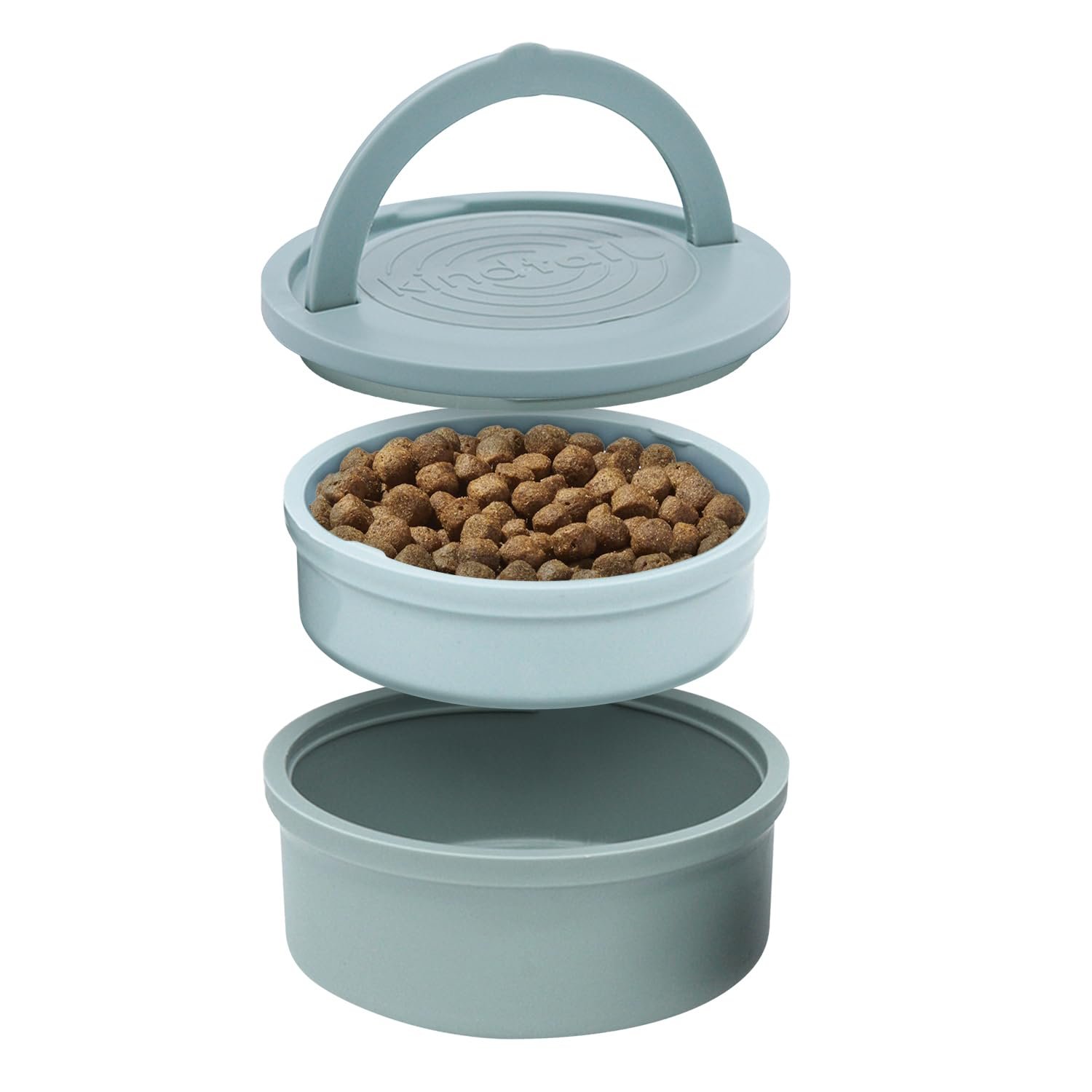
Choosing safer dog food starts with clear, specific ingredients and an AAFCO statement. Look for named animal proteins (e.g., chicken, salmon) at the top of the list, followed by wholesome carbs and recognizable fats. Avoid long lists of chemicals, vague terms like “meat” or “animal fat,” and multiple colorings or sweeteners. A good food suits the dog’s age, size, and health condition, and is backed by transparent sourcing and feeding trials whenever possible.
Prioritizing the first five ingredients
Focusing on the first five ingredients helps owners judge overall quality quickly. Ingredients are listed by weight, so those at the top make up most of the food. Ideally, at least two of the first five are named animal proteins or meals (e.g., chicken, salmon meal), not vague "meat" terms. Whole grains or low‑GI carbs can appear, but avoid formulas where the first spots are mainly corn, wheat, soy, sugars, or by‑products. Clear, simple wording usually signals a more trustworthy recipe.
Comparing dry, wet, and fresh diets
Dry, wet, and fresh diets each have pros and cons. Dry food is convenient and often cheaper, with a long shelf life, but can be higher in carbs and less palatable. Wet food is more flavorful and hydrating, helpful for picky eaters or seniors, yet usually costs more and spoils faster. Fresh or lightly cooked diets often use higher‑quality ingredients and fewer additives, but require refrigeration and careful portion control to stay complete and balanced.
Switching Foods Without Upset Tummies
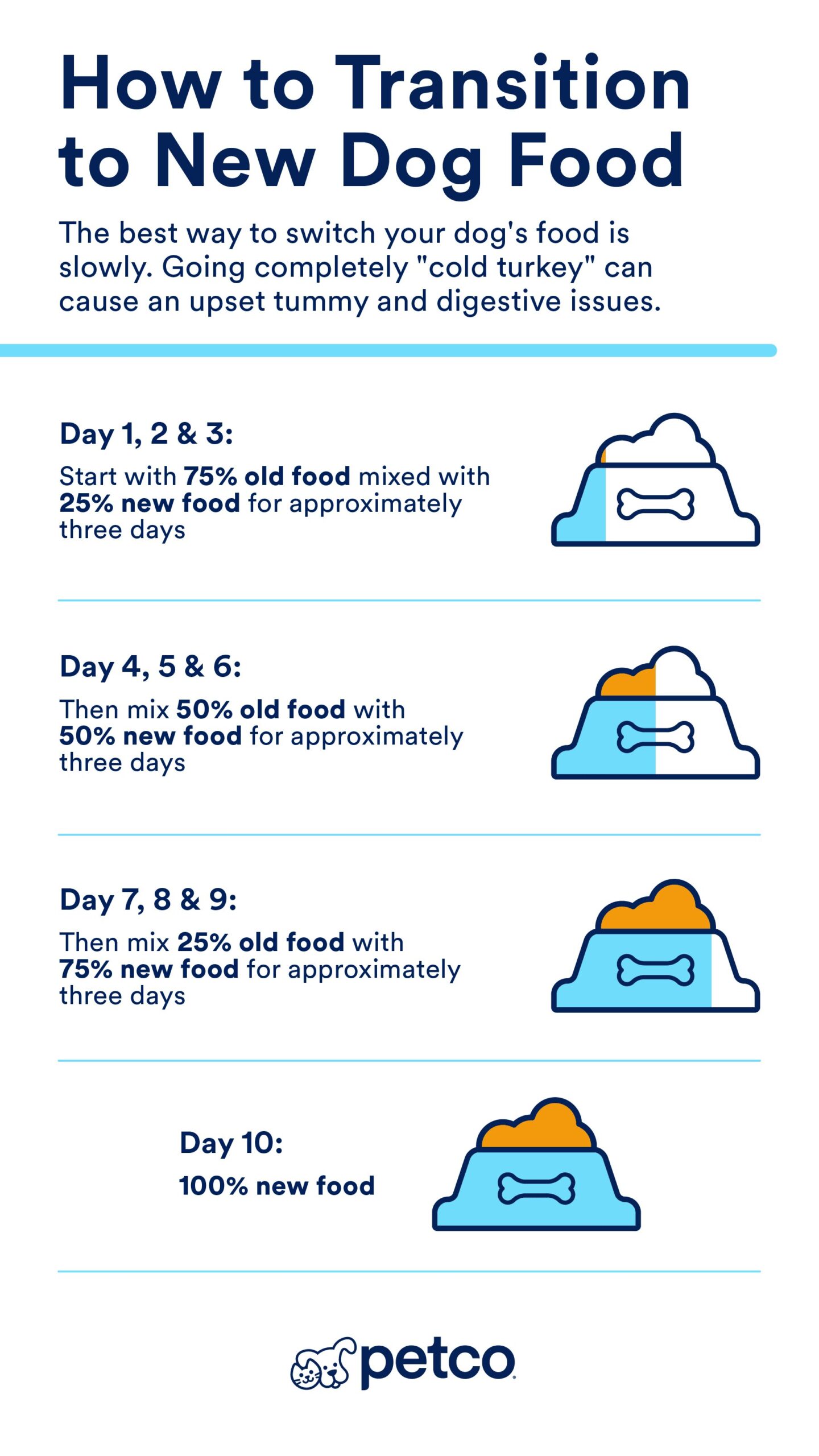
Sudden food changes often cause vomiting, diarrhea, or gas in dogs. A gentler approach protects the gut. The digestive system needs time to adjust to new protein, fat, and fiber levels, as well as different additives. A slow transition also helps reveal whether problems come from the new food or another cause. For sensitive or senior dogs, puppies, and dogs with past stomach trouble, especially gradual switches and vet guidance are recommended.
Step‑by‑step transition schedule
A gradual change helps protect the dog’s digestion. As a目安, use 7–10 days and adjust for sensitive dogs.
| Day | Old food | New food |
|---|---|---|
| 1–2 | 75% | 25% |
| 3–4 | 50% | 50% |
| 5–6 | 25% | 75% |
| 7+ | 0% | 100% |
Mix well at every meal so the dog cannot sort out pieces. For very sensitive stomachs, extend each step to 3–4 days and keep treats simple during the transition.
Signs you should call your vet
Contact a veterinarian promptly if any of the following occur during a food change:
- Vomiting or diarrhea lasting more than 24 hours
- Blood in stool, black tarry stool, or repeated straining
- Refusal to eat the new food for more than two meals
- Marked lethargy, shaking, or signs of abdominal pain
- Sudden itching, facial swelling, or hives after a meal
Puppies, seniors, and dogs with chronic disease should see a vet sooner, even for mild signs.
Quick Label Checklist for Shoppers
A quick mental checklist helps avoid problem foods even on a rushed shop. Focus on three points: first five ingredients, additives list, and AAFCO statement. Prefer clearly named meats and wholesome carbs near the top. Scan the middle and end of the list for artificial colors, flavors, sweeteners, and harsh preservatives and avoid them. Finally, confirm the food is labeled “complete and balanced” for the appropriate life stage before buying.
Ingredients to skip every time
For quick shopping decisions, avoid any food where these appear in the ingredient list:
- Unnamed meats: meat, animal fat, poultry by‑product, meat by‑product meal
- Vague meat meals: meat meal, animal meal, poultry meal
- Harsh preservatives: BHA, BHT, ethoxyquin
- Artificial colors/flavors: Red 40, Yellow 5, “artificial flavor”
- Sugars: corn syrup, cane sugar, caramel, glucose, fructose
- Problem fillers: corn gluten meal, wheat middlings, soy meal
- Additives: propylene glycol, sodium tripolyphosphate, sodium hexametaphosphate, rendered animal fat, “natural flavor” (as a main flavor source), MSG or hydrolyzed protein
Nutrient claims that actually matter
Busy shoppers often focus on trendy claims like “ancestral,” “holistic,” or “premium,” but only a few label statements truly matter. First, look for “complete and balanced” plus a clear AAFCO statement; this confirms that all essential nutrients are included in the right ratios. Next, check life stage claims such as puppy, adult, or senior, because needs differ greatly. Finally, confirm clear guaranteed analysis for protein, fat, and fiber that matches a veterinarian’s guidance for the dog’s age, size, and activity level.
This article clearly explains 11 dangerous ingredients to avoid in dog food and their safe alternatives. It covers everything from quick ways to check ingredient labels to how to choose between dry, wet, and fresh food, and how to switch foods without stressing your dog, providing support to help you confidently choose your dog's daily meals.