
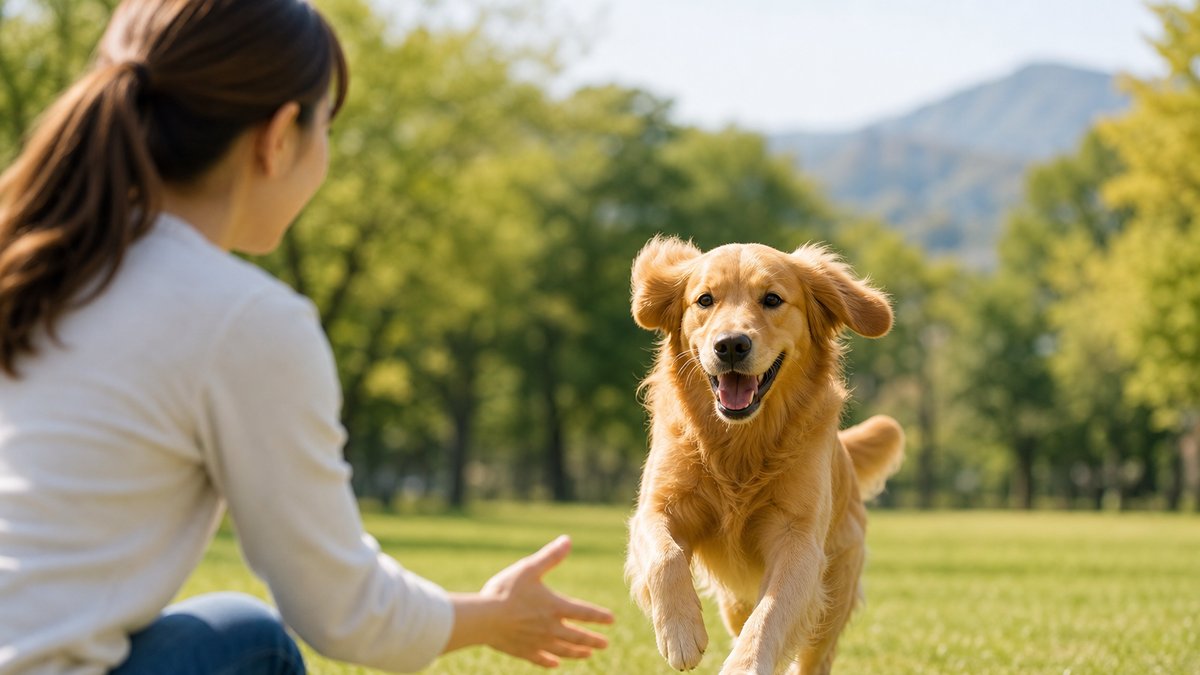
It's common to have frightening moments during walks or at dog parks when your dog doesn't come back when you call them. Reliably teaching your dog to come back when called is essential training for preventing them from getting lost or involved in accidents. This article introduces seven easy-to-follow steps to help even beginners learn to recall their dog in a fun and effective way. The tips are all incorporated into everyday playtime, making it helpful even for those who think, "This might be impossible for my dog."
What Recall Means and Why It Matters
A recall means a dog immediately and happily coming to the handler when called. In everyday life, recall is more than a trick; it is an essential safety skill. A dog that turns away from temptations and returns on cue can enjoy more off‑lead freedom, play, and exploration. At the same time, strong recall protects the dog from roads, conflicts with other dogs, or wildlife. Reliable recall also deepens communication and trust, because the dog learns that coming when called always leads to something positive.
Everyday safety and freedom for your dog
A solid recall is one of the most important safety tools for any dog. Coming when called can prevent accidents near roads, sudden encounters with aggressive dogs, or wildlife chases that lead too far from home. At the same time, a reliable recall gives a dog more freedom to explore, run, and sniff in safe areas, because the guardian knows the dog will return when needed. Good recall training therefore protects a dog’s life while also enriching daily walks and off‑lead play.
How recall fits into basic obedience
Recall is one part of basic obedience, alongside sit, stay, and loose-leash walking. However, a reliable recall is often the most important cue, because it can interrupt chasing, prevent bolting, and support off‑lead freedom. Recall also strengthens focus, since the dog learns that turning away from distractions and moving toward the owner is always rewarding. When paired with cues like “wait” or “leave it,” recall becomes the core of safe, polite everyday behavior.
Can Any Dog Learn a Reliable Recall?
Many guardians wonder if every dog can learn to come when called. In principle, almost all dogs can develop a reliable recall. However, speed and final reliability differ depending on history and temperament. Puppies, seniors, rescues, shy dogs, and high‑energy breeds all respond well to kind, reward‑based training. With realistic goals, management tools such as long lines, and steady practice, most dogs can learn to return promptly and happily when called.
Breed, age, and personality differences
Dogs of every breed, age, and personality can improve recall, but the training plan must match the individual dog. Sighthounds or hunting breeds may be more easily distracted, so high‑value rewards and long lines are especially important. Puppies learn quickly but are impulsive; senior dogs may need shorter sessions and louder cues. Confident, social dogs benefit from games, while sensitive or timid dogs progress better with very gradual steps and a calm environment.
Realistic expectations for your dog
Reliable recall does not mean a dog comes perfectly every single time, in every situation. A realistic goal is a fast, happy response in most everyday settings, with management for very hard situations such as wildlife or busy roads. Young dogs, high‑drive breeds, and easily worried dogs usually need longer training and ongoing practice. Guardians should measure progress in small steps: quicker response, shorter hesitation, and better focus, rather than expecting instant perfection.
Before You Start: Rules for Recall Success
Before real training begins, a few simple rules greatly increase recall success. Never call a dog for anything unpleasant, such as nail trims or ending all play. The recall word must always predict something good. Avoid repeating the cue many times; say it once, then help the dog succeed by moving away, crouching, or showing a reward. Use recall only when the dog has a realistic chance of success, and keep the dog on-lead or long line until reliability improves. Consistency from all family members is essential so the dog receives clear, predictable signals every day.
Choosing your special recall cue word
A recall cue should be a single, clear word that stands out from everyday conversation. Many guardians choose “Come,” “Here,” or a unique word such as “Front.” Avoid using your dog’s name alone, because names are used frequently and can lose meaning. Once a cue word is chosen, every family member should use only that word, in a happy, consistent tone, and reserve it for situations where the dog will be rewarded generously.
Rewards that make coming to you irresistible
Rewards are the engine of reliable recall. Coming when called must always feel like a jackpot compared with whatever the dog was doing. Use tiny, soft, high‑value treats such as cheese, chicken, or sausage, plus praise, petting, or a quick game with a favorite toy.
Vary rewards to keep motivation high. Sometimes give one treat, sometimes several in a row, occasionally a big “jackpot.” Avoid calling the dog only for unpleasant events such as nail clipping or going home from the park, so recall never predicts the end of fun.
Setting up safe spaces and long lines
A safe environment allows dogs to focus on recall practice without risk. Start indoors or in a secure, fenced area where escape is impossible. For unfenced spaces, a long line (5–15 m training leash) is useful. Attach the long line to a well‑fitted harness, never a collar, to protect the neck. Let the dog move freely, but keep the line free of knots and away from obstacles to prevent tangling and sudden jerks. Long lines should only be used under supervision.
Common mistakes to avoid from day one
Many recall problems start with small habits. Avoid calling only when something unpleasant happens such as nail trims, baths, or putting on the leash to go home. Frequently call, reward, and then release to play again so recall predicts good things. Never scold a dog that finally comes, even if the response was slow. Do not repeat the cue many times or shout the dog’s name without rewarding. Finally, avoid off‑lead practice in unsafe areas before recall is solid.
Training Dog Recall: Key Principles
A strong recall depends on a few simple principles rather than force or luck. The goal is to make coming when called the most rewarding and predictable choice for the dog. Training works best when cues are always the same, rewards are meaningful, and difficulty increases gradually. Handlers build recall like a muscle: start easy, reward generously, then slowly add distance, time, and distractions while protecting the cue from failures.
Keep it positive and pressure‑free
Positive recall training means the dog is rewarded for coming, not punished for ignoring. Avoid shouting, yanking the lead, or scolding a slow response. If the dog hesitates, move away playfully, kneel down, and use a happy voice. Always pair the recall cue with something the dog loves—food, toys, or praise—so coming to the owner always feels safe and worthwhile.
Short, fun, and frequent sessions
Recall training works best in short, fun, and frequent sessions. Aim for 3–5 minutes, several times a day, rather than one long practice. Dogs concentrate better in brief bursts, especially puppies and energetic breeds. End each session while the dog still wants more and after a success. Vary locations and rewards to keep motivation high. Consistent, bite‑sized practice helps recall become automatic, not tiring homework.
Building a habit, not a one‑time trick
Recall training becomes reliable when it is treated as a lifestyle habit, not a one‑off exercise. The cue should pay off every single time the dog chooses to come, whether during walks, feeding time, or play. Calling only occasionally, or rewarding inconsistently, teaches the dog that coming is optional. Instead, build a routine: many easy wins, frequent rewards, and calm practice in different places so recall becomes an automatic response, even under mild stress.
7-Step Plan to Teach a Rock-Solid Come
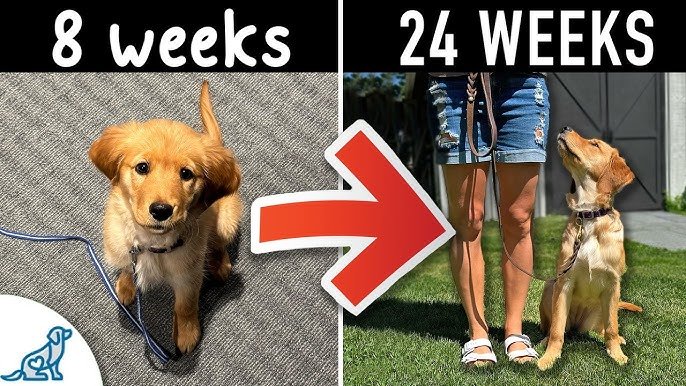
A clear, step‑by‑step plan prevents confusion for both guardian and dog. The following 7-step recall routine moves from easy indoor practice to real‑world reliability. Each step adds only one new challenge: distance, distraction, or new places. Guardians progress only when the dog succeeds about 80–90% of the time at the current level. By moving gradually and staying positive, recall becomes a reliable habit instead of a stressful test.
Step 1: Charge up your recall cue indoors
To “charge up” a recall cue, the dog needs to learn that hearing the word always predicts something amazing. Start indoors where there are few distractions. Say the chosen recall word once in a happy tone, then immediately deliver a top‑value reward right at the handler’s feet: small tasty treats, a favorite toy, or a short play burst.
Repeat 10–20 times in short mini‑sessions over a few days. During this stage, the dog does not have to move or sit; the only goal is a strong association: cue word = fantastic reward. Avoid using the cue when unable to reward generously, so the word stays powerful and exciting.
Step 2: Practice back-and-forth with family
Once the recall cue has a positive meaning indoors, family members can take turns calling the dog from a few steps away. One person gently holds the dog, another says the special recall cue once, then praises and rewards when the dog arrives. Rotate callers and locations in the room so the dog learns that running to any person who says the cue brings great rewards and becomes a fun habit.
Step 3: Add distance in a quiet environment
Increase distance gradually so the dog can keep succeeding. Start in the same quiet room or garden used in earlier steps. One person gently holds the dog, the handler walks a few steps away, calls the recall cue once, then rewards generously when the dog arrives and sits near the handler.
When this is easy, slowly add more steps between handler and dog, or practice from different angles and rooms. If the dog hesitates or looks unsure, shorten the distance again. End sessions while the dog is still eager to run back when called.
Step 4: Introduce mild distractions on lead
Once a dog comes reliably in a quiet room, mild distractions can be added while keeping the dog on lead for safety. Start in a familiar area, such as a yard or calm park corner. Let the dog sniff, then suddenly use the recall cue in a cheerful tone and move backward to invite chasing. When the dog turns and comes, reward immediately with high‑value treats and praise. Begin with light distractions like leaves, low noises, or distant dogs, then gradually increase difficulty while maintaining a high success rate.
Step 5: Use a long line for more freedom
A long line (around 5–15 meters) allows practice of recall with much more freedom but controlled safety. Attach the line to a harness, not a collar, to protect the neck. Let the dog move away, then call using the recall cue once. If the dog hesitates, gently reel in the line while encouraging with a happy voice, then reward generously. Avoid sudden jerks or letting the line wrap around legs, and keep sessions short so the dog associates the long line with fun, successful recalls.
Step 6: Practice in new places step by step
New environments make recall harder, so progress in small, planned steps. Start in a quiet new place, such as an empty park corner or a friend’s garden, using a long line for safety. Begin close to the dog, give the recall cue once, then reward generously for every response.
When responses are fast and happy, slowly add challenges: a bit more distance, gentle movement, then mild distractions. Only move to busier areas when the dog succeeds easily in calmer ones. If success drops, step back to an easier level rather than repeating failed recalls.
Step 7: Fade the food and keep it reliable
Food rewards are essential at the start, but recall must not depend on treats forever. Gradually switch from food every time to variable rewards: sometimes food, sometimes a toy, sometimes praise and play. Keep the biggest rewards for the hardest recalls, such as coming away from other dogs.
Avoid stopping rewards suddenly. Instead, phase in life rewards your dog loves: being released to sniff, going back to play, or running ahead on the trail. The goal is clear: your dog learns that coming when called always pays off in some valuable way, even if food does not appear every time.
Handling Distractions in the Real World
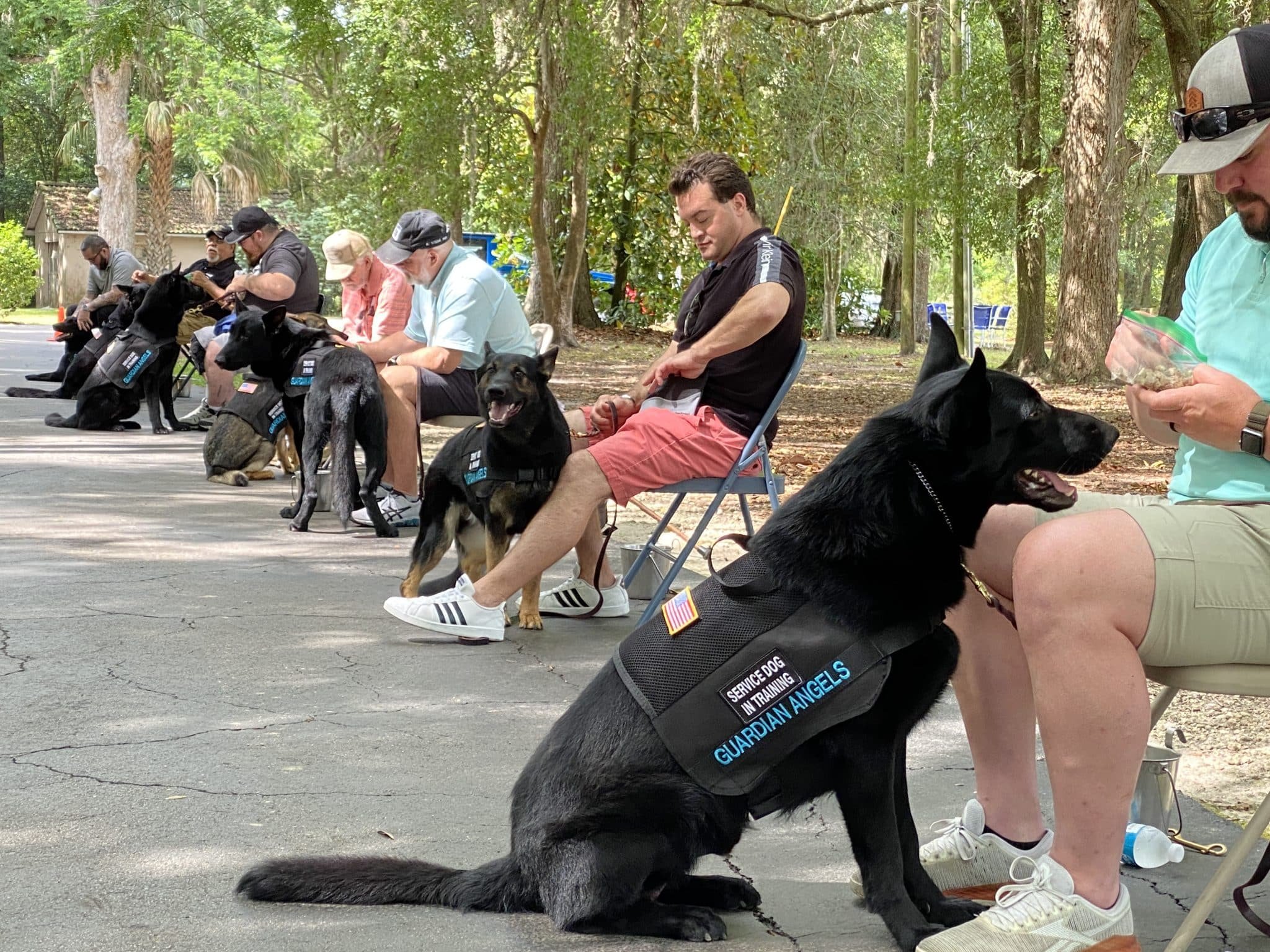
Real‑world recall fails most often when distractions suddenly become more exciting than the handler. Squirrels, other dogs, smells, and people all compete for the dog’s attention. The goal is not to remove distractions, but to teach the dog to choose the handler even when fun is happening nearby. To achieve that, owners increase difficulty gradually, use a long line for safety, and pay generously when the dog succeeds around real‑life temptations.
Ranking distractions: easy to hardest
To handle distractions effectively, owners benefit from grading distractions from easy to very hard and progressing step by step. Use a scale like the one below.
| Level | Type of distraction | Typical examples |
|---|---|---|
| Easy | Low movement, familiar | Quiet room, family member sitting, toy on floor |
| Medium | New sights or mild sounds | Calm park corner, a person walking past, distant dog |
| Hard | Moving, exciting, closer | Joggers, bikes, squirrels far away, children playing |
| Very hard | High arousal, close, unpredictable | Off‑lead dogs nearby, wildlife close, busy playground |
Training should begin at easy level and only move up when recall is successful most of the time at the current level.
What to do if your dog ignores your cue
When a dog ignores a recall cue, avoid repeating the cue many times or yelling. Instead, stay calm and prevent rehearsal of ignoring. Gently shorten the long line, guide the dog toward the handler, and reward when the dog arrives, even if support was needed. Next, lower difficulty: use a closer distance, fewer distractions, and higher-value rewards. In future sessions, call only when success is likely, so the cue keeps its meaning and does not become background noise.
Using games to beat competing interests
Competing interests such as scents, squirrels, or other dogs feel highly rewarding to many dogs. Games help make coming to the owner the most exciting option. For example, calling the recall cue, then running away playfully, starting a tug game, or tossing several treats on the ground can turn recall into a fun surprise. By pairing the cue with fast movement, play, and jackpots, recall begins to “beat” distractions because returning predicts a short party, not the end of fun.
Fun Recall Games to Boost Reliability
Recall games turn training into play, so dogs choose to come running even when distractions appear. By mixing movement, surprise, and high-value rewards, guardians can keep recall practice enjoyable instead of repetitive drills. Regular games also help different family members become fun, reliable recall partners, which reduces dependence on only one person. Short, playful sessions several times a week are far more effective than rare, serious training.
The following game ideas focus on speed, enthusiasm, and clear rewards, helping dogs build a strong habit of responding to the recall cue in many everyday situations.
Hide-and-seek recall indoors
Hide-and-seek indoors turns recall practice into a fun game. One person gently holds the dog while another hides behind a door, sofa, or in a hallway. The hidden person calls the special recall cue once, then praises warmly as the dog searches. When the dog finds the caller, deliver excellent rewards and calm affection. Start with easy hiding spots, then increase difficulty so the dog learns to actively seek the owner whenever the recall cue is heard.
Chase and jackpot rewards
Dogs love to chase, so using controlled chase play can supercharge recall motivation. After the cue and a quick sit in front, release the dog to chase a toy or tug that the owner moves away. The chase becomes the reward for coming fast. Occasionally add a “jackpot” reward: several high‑value treats or an extended play session given all at once for an especially fast recall. Jackpot rewards clearly tell the dog, “That response was amazing, do it again.” Use jackpots unpredictably to keep recall enthusiastic.
Two‑person ping‑pong recalls
Two‑person ping‑pong recalls turn coming when called into a fast, fun game, which helps many dogs learn faster. Two people stand several meters apart and take turns calling the dog, rewarding generously each time the dog reaches the caller. Gradually increase distance and add small distractions. Keep sessions short and end while the dog is still excited to play, so recall stays enjoyable and highly rewarding.
Troubleshooting Common Recall Problems
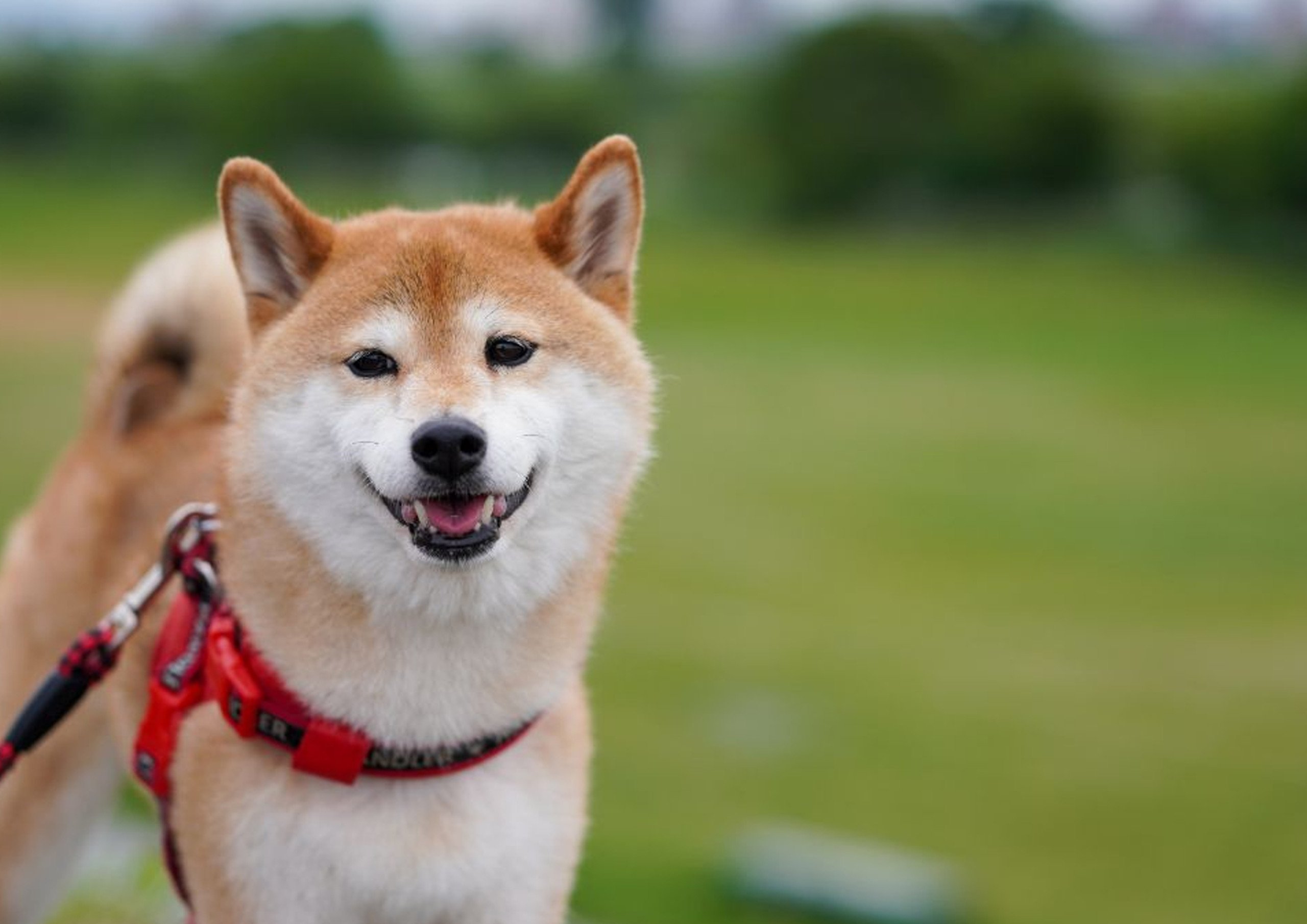
Even with careful training, recall often breaks down in predictable ways. The key is to analyze the pattern calmly rather than blaming the dog. Problems usually fall into a few groups: the dog finds the environment more rewarding than the handler, the cue word has become “background noise,” or the dog worries that coming closer means the end of fun. By identifying which situation applies, owners can choose targeted fixes instead of starting over from scratch.
Dog runs toward you, then veers away
Many dogs sprint toward the owner, then dodge away at the last moment. Often the dog has learned that coming close makes the fun end—the lead goes on, play stops, or nail trimming starts.
To fix this pattern, reward the full arrival. Lure the dog right to the handler’s legs, then feed several treats in a row, clip the leash while rewarding, and release the dog to play again when possible. Avoid grabbing the collar abruptly; instead, teach a gentle “collar touch = snacks” association so the dog feels safe finishing the recall.
Dog only comes when they feel like it
Many dogs come only when it suits them because everyday recall has become optional. The key is to make coming immediately more rewarding and more consistent. Stop using the cue when the dog is unlikely to respond, avoid calling just to end fun (like leaving the park), and never punish after they return. Instead, pay well for every response, use a backup tool such as a long line so ignoring is not possible, and practice many easy wins so recall feels like a habit, not a negotiation.
Fearful or rescue dogs and recall
Fearful and rescue dogs often have past experiences or weak socialization that make recall harder. Progress may be slower, but reliable recall is still possible with patience.
Focus on safety and trust first. Use a long line outdoors so the dog cannot bolt, and avoid crowded or noisy places. Keep sessions very short and always end on a positive note.
Use extra‑high value rewards and gentle body language: crouch sideways, avoid staring, and speak softly. Never grab the collar roughly or scold for returning, even after a delay; the dog must learn that coming close to a human is always safe and rewarding.
If the dog freezes, hides, or refuses food, step back to an easier distance or location. In many cases, support from a qualified force‑free trainer or behaviorist is strongly recommended.
Keeping Recall Strong for Life
A good recall is never “finished.” Dogs need regular practice to keep their come cue fast and joyful. Short sessions a few times a week are more effective than rare, long drills. Mix recall into play, walks, and feeding time so responding becomes a normal habit, not a special event. Continue to occasionally pay with top‑value rewards or games, even for an experienced dog, to keep recall strong, fun, and worth choosing over distractions.
Building recall into daily walks
Daily walks are ideal for maintaining and strengthening recall because they provide frequent, natural practice. Call your dog before crossing roads, when changing direction, or before unclipping the lead, then reward generously. Occasionally call your dog in the middle of off‑lead play, pay well, and send the dog back to play so coming does not always mean fun ends. Vary locations, distances, and rewards so recall remains a predictable habit and a valuable skill, not a rare drill.
When to keep using a long line
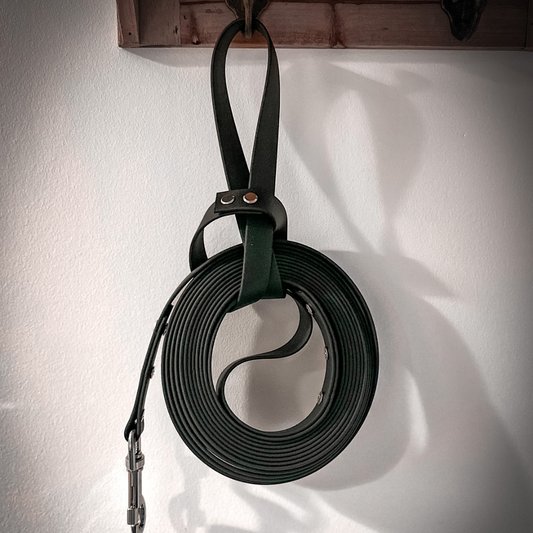
A long line remains useful whenever full off‑lead freedom would be unsafe or unreliable. Continue using one if recall still fails around wildlife, busy roads, playgrounds, or other dogs. Long lines also help in new locations, with adolescent dogs, and with recently adopted or nervous dogs. Phase it out gradually: shorten the line, practice many successful recalls, and only move to off‑lead when success is consistent even around moderate distractions.
When to get help from a trainer
If recall does not improve despite patient practice, early support from a qualified trainer is very valuable. Seek help when the dog has bolted or had near‑miss accidents, when fear or past trauma affects behavior, or when anger and punishment may occur. A positive‑reinforcement trainer can assess safety risks, create a step‑by‑step plan, and coach the family, so recall training becomes safer, calmer, and more consistent.
This article explains the importance of recall training and provides a 7-step guide that any dog can follow, from a third-party perspective. It covers everything from the necessary environment and reward selection to effective teaching methods, how to deal with common problems, and tips for maintaining recall skills during walks and daily life, making it a valuable resource for creating a safe and flexible living environment for your dog.