
Traveling with your dog offers a unique opportunity to create special memories away from everyday life, but it also comes with anxieties such as stress during travel and potential problems at your accommodation. This article, themed "traveling with a dog tips," introduces 11 lifestyle tips to ensure both you and your dog can enjoy a comfortable trip, from pre-trip preparations to travel and how to spend time at your destination. We have carefully selected and explained points that will be useful not only for first-time dog travelers but also for those who are already accustomed to traveling with their dogs.
Is Your Dog Ready to Be a Travel Buddy?

Before planning a trip, it is helpful to check whether a dog will enjoy traveling, not just tolerate it. Some dogs love new places, others feel safer at home. Consider everyday behavior: does the dog relax in new environments, meet new people calmly, and ride well in the car? For dogs who are shy, noise‑sensitive, or easily overstimulated, short practice outings and gradual exposure are important. In some cases, arranging a trusted pet sitter may be kinder than bringing the dog along.
Personality and training checks
A good travel buddy dog is confident, curious, and can relax in new places. If a dog panics at loud noises, cars, or strangers, start with very short local outings before long trips.
Key training checks before lifestyle travel:
- Basic cues: sit, stay, come, leave it, and walking on a loose lead
- Settle on a mat so the dog can rest in cafés, stations, or hotel lobbies
- Comfortable in a crate or seat belt harness
- Socialisation with different people, dogs, and environments
If any point is weak, owners should practice at home and on short day trips until the dog copes calmly.
Health, age, and vet clearance
Age and health strongly influence whether a dog can travel comfortably. Puppies, senior dogs, brachycephalic breeds, and dogs with heart, breathing, or joint problems need special care or may be better staying home. Before any big trip, a vet check is essential. Owners should confirm vaccines, parasite prevention, and chronic condition management are all current, and ask whether the planned climate, altitude, and activities suit the dog’s age and physical condition.
Lifestyle Travel With a Dog: Key Tips
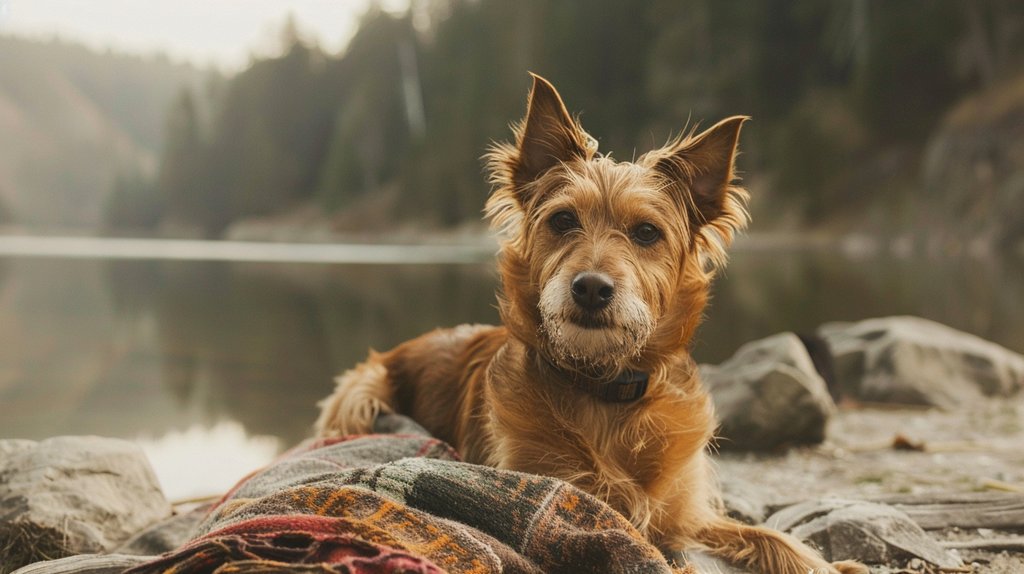
Lifestyle travel with a dog means designing trips around everyday life, not treating travel as a rare, stressful event. The goal is to keep your dog’s needs—safety, routine, and comfort—at the center of every plan. Choose transport, accommodation, and activities that your dog can genuinely enjoy. Plan for regular walks, quiet time, and familiar food. When the human schedule and the dog’s wellbeing stay in balance, journeys feel smoother, more flexible, and far more enjoyable for everyone.
Match trips to your daily routine
Lifestyle travel works best when trips feel like an extension of everyday life for the dog. Start by mapping the dog’s usual day: wake‑up time, mealtimes, walk length, nap patterns, and bedtime. Then choose departure times, activities, and sightseeing blocks that fit around that rhythm. Avoid cramming in long days with little rest; most dogs cope better with several short outings and regular quiet breaks that mirror home life.
Choosing dog‑friendly destinations
Choosing the right destination makes lifestyle travel with a dog far easier. Aim for places that truly welcome dogs, not locations with only symbolic “pet‑friendly” labels. Before booking, check:
- Local rules: leash laws, beach or park restrictions, breed bans
- Availability of dog‑friendly cafes, trails, and transport
- Climate: avoid extreme heat or cold for long outdoor stays
- Access to vets and emergency clinics nearby
Many owners prefer coastal towns, countryside areas, or smaller cities, where walking routes and green spaces are plentiful. Online maps and review sites are useful for confirming real dog‑friendly spots, not only marketing claims.
Pre‑Trip Prep: Vet, IDs, and Paperwork

Pre‑trip preparation keeps travel smooth and prevents many emergencies. Before planning details like routes or activities, organize health checks, identification, and required documents. Well‑prepared paperwork and clear IDs make it easier to handle delays, accidents, or unexpected rule checks. In the following sections, concrete steps for vaccines, microchips, and essential certificates will be explained so owners can travel with confidence and focus on enjoying time with their dogs.
Vaccines, meds, and health certificates
Before any trip, a vet visit is essential. Confirm core vaccines are up to date and ask about region‑specific shots such as leptospirosis, Lyme, or rabies boosters, depending on destination. Check flea, tick, and heartworm prevention and request extra doses for longer journeys. For anxious or motion‑sick dogs, discuss safe anti‑nausea or calming medication and exact dosages. International or air travel may require a health certificate within a set timeframe, so owners should confirm airline and country rules well in advance.
Microchips, tags, and travel contacts
Proper identification is essential when traveling with a dog. A microchip registered with up‑to‑date contact details gives the best chance of reunion if a dog becomes lost. A secure collar tag should list the dog’s name, a mobile number, and preferably an email. For longer trips, owners may add a temporary tag with local accommodation details. Carry printed copies of contact information for vets, emergency clinics, and pet‑friendly taxis at the destination, and store the same data in a phone for quick access.
Smart Packing Checklist for Dogs
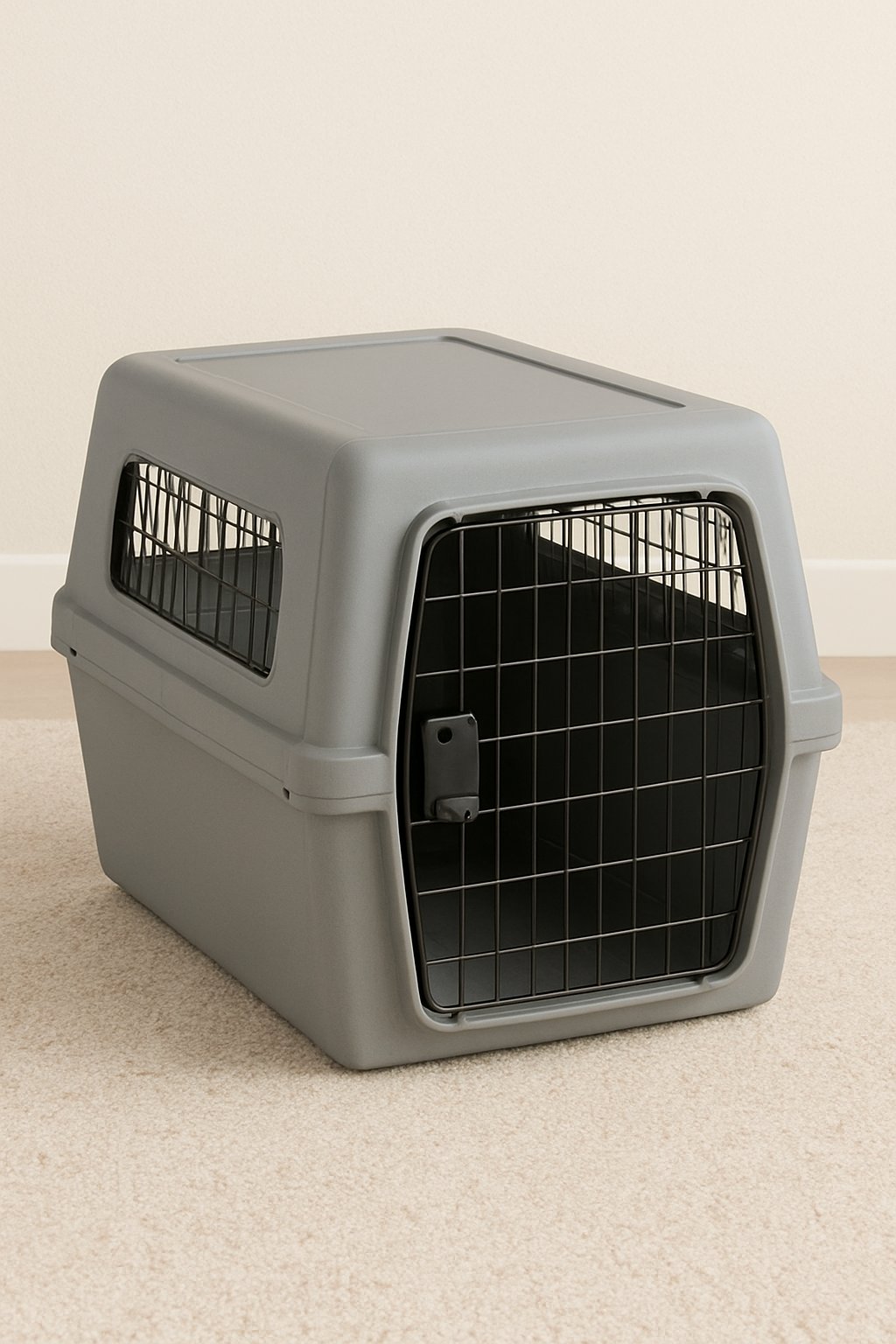
A smart packing checklist keeps a dog comfortable and safe wherever the journey goes. Aim to cover four areas: health, comfort, hygiene, and safety/ID.
| Category | Key items to pack |
|---|---|
| Health | Regular meds, vet records (paper or app), vaccination proof, flea/tick and heartworm preventives |
| Comfort | Familiar blanket or bed, favorite toys, long‑lasting chews |
| Hygiene | Poo bags, wipes, small towel, brush, enzyme cleaner for accidents |
| Safety/ID | Collar and tag, harness, spare leash, recent printed photo of the dog |
Placing everything in a dedicated dog travel bag prevents last‑minute stress and forgotten essentials.
Food, water, and travel bowls
Food and water are non‑negotiable for safe travel. Pack enough of your dog’s regular food for the whole trip plus a small extra supply to avoid sudden diet changes and stomach upset. Use sealable containers and a dedicated scoop. For water, carry bottled or filtered water and a collapsible or no‑spill travel bowl, keeping one set within easy reach in the car or bag for quick drink and snack breaks.
Beds, crates, and comfort items
A familiar sleep setup helps dogs relax in new environments. Ideally, the dog uses the same bed or crate at home and on trips, so the scent signals safety. Lightweight, washable beds or crate mats are practical. For crate‑trained dogs, a secure travel crate or soft crate offers a den‑like space and prevents wandering. Add a favorite blanket and a couple of well‑loved toys, but avoid overpacking. Comfort items should be cozy, not cluttered, to support calm rest.
Leashes, harnesses, and safety gear
A secure leash and harness are essential safety tools for lifestyle travel. A well‑fitted Y‑shaped harness protects the neck and gives better control than a collar, especially in busy areas. Choose a sturdy leash (1.2–1.8 m) and, for roadside walks, consider a reflective or high‑visibility design. A seat‑belt clip, car‑specific harness, and ID tag on the harness help prevent escapes and keep the dog safer in unexpected stops or accidents.
Car Travel: Safe and Calm Road Trips
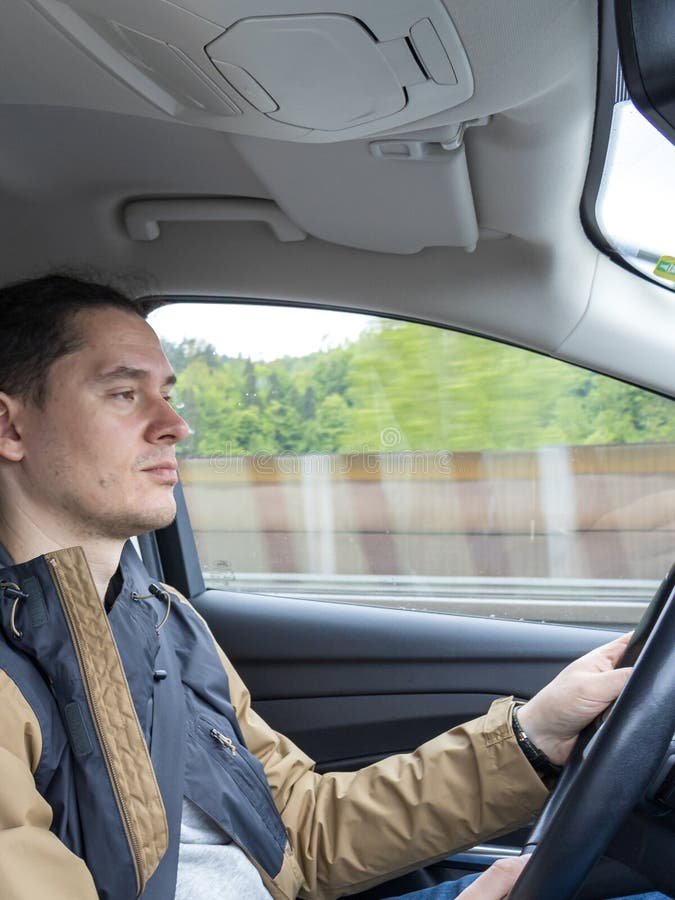
A road trip can be very enjoyable for dogs if safety and comfort are prioritized. The key is to plan for your dog’s needs as carefully as for route and lodging. Before departure, confirm that the dog is comfortable getting into the car and staying calm with the engine running. Short practice drives help reduce fear and car sickness. During travel, secure the dog properly, manage stress, and schedule regular breaks for water, toilet, and exercise so the journey remains safe and relaxed for everyone.
Securing your dog in the vehicle
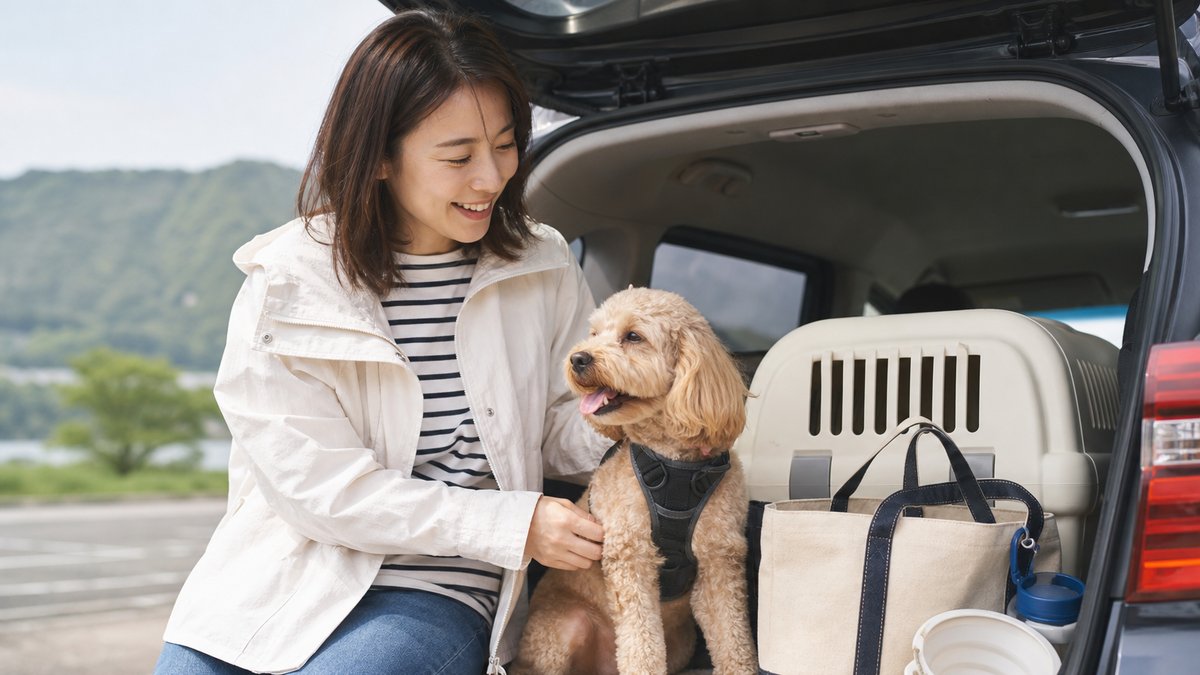
A dog should always be securely restrained in the car for safety. The safest options are a crash‑tested crate, a crash‑tested harness attached to a seat belt, or a secured pet carrier for small dogs. Avoid letting a dog ride on a lap, hang out of windows, or move freely. Placing crates in the back seat or cargo area (not on the front seat with airbags) reduces injury risk and keeps drivers focused.
Managing motion sickness and anxiety
Many dogs feel queasy in moving cars because the inner ear and eyes send mixed signals. To reduce motion sickness, feed a light meal 3–4 hours before departure and avoid snacks in the car. Good ventilation and a forward‑facing crate or seat‑belt harness also help. For sensitive dogs, a veterinarian may prescribe anti‑nausea or anti‑anxiety medication.
Anxious dogs benefit from gradual car desensitization: start with short, calm rides and slowly extend distance. Familiar bedding, a worn T‑shirt with the owner’s scent, and calming aids such as pheromone sprays or snug‑fit anxiety wraps can provide extra comfort.
Potty, exercise, and rest stops
Frequent, planned stops help dogs stay comfortable and relaxed. Aim for a short break every 2–3 hours on long drives. During each stop, offer a potty break on leash, a drink of water, and a few minutes of gentle walking or sniffing. Avoid heavy play near traffic or hot pavement. Choose safe, quiet areas away from busy roads. Keeping a simple routine of potty–walk–water–rest makes road trips smoother for both owner and dog.
Flying With Dogs: When and How to Do It
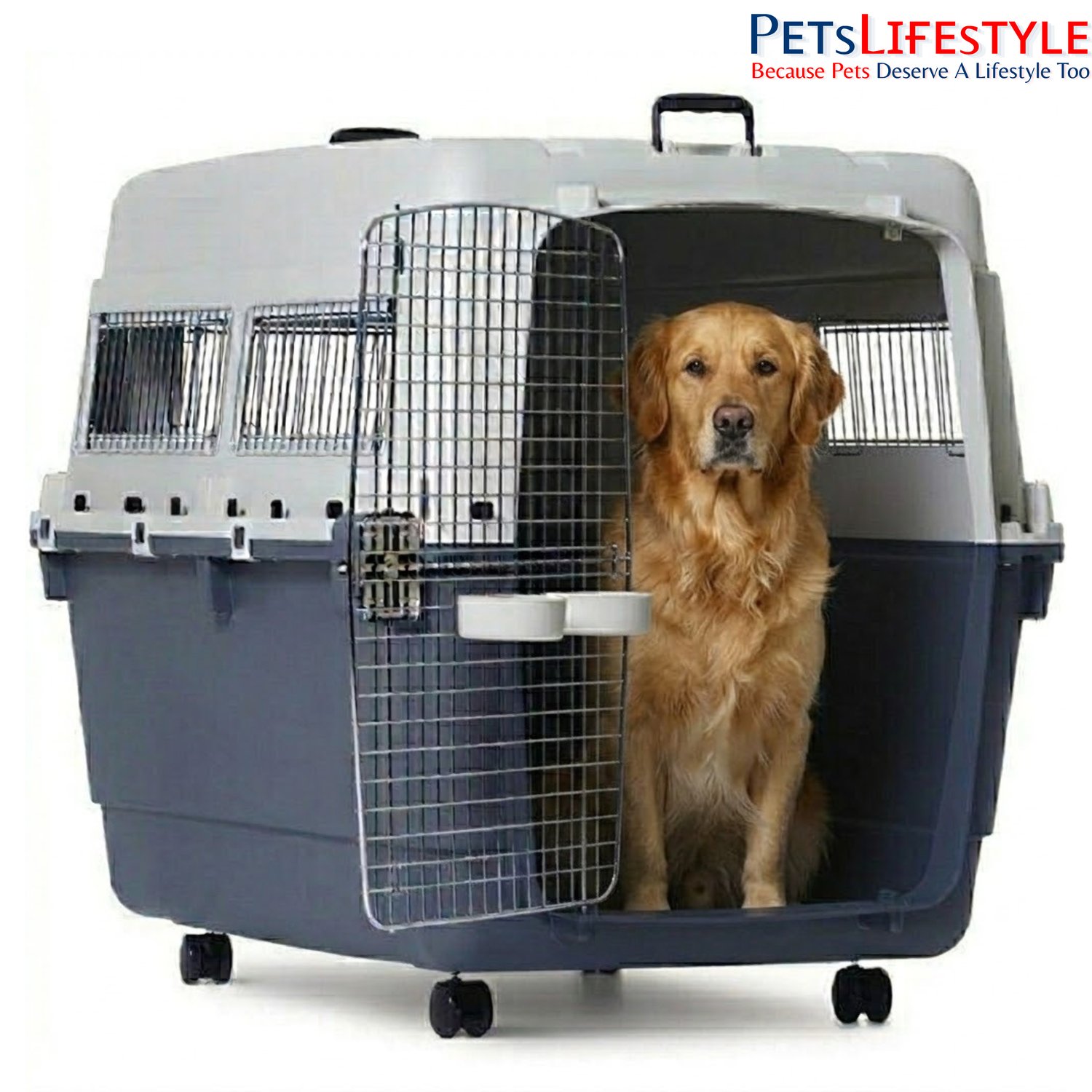
Air travel can be very stressful for dogs, so it should be a last resort, not the default. Short, direct flights are kinder than long journeys with layovers, and many dogs cope better with car or train travel instead. Before booking, confirm your dog’s size, breed, and crate requirements with the airline, and check seasonal heat or cold restrictions. Sensitive, elderly, flat‑faced, or very young dogs are often safer staying with a trusted caregiver rather than flying at all.
Cabin vs. cargo considerations
For small dogs within airline size limits, cabin travel is usually safer and less stressful. The dog stays in an airline‑approved soft carrier under the seat, in a climate‑controlled space, and can be checked on during the flight.
Cargo or checked baggage is generally riskier. Temperatures, noise, and handling are harder to control, which can be dangerous for brachycephalic breeds, seniors, puppies, and dogs with medical issues. Many airlines now restrict or ban certain breeds in cargo. Long layovers, extreme weather, and connecting flights increase risk further.
Before booking, compare: size and weight limits, breed restrictions, direct vs connecting flights, seasonal embargoes, and emergency policies. For nervous or fragile dogs, consider alternatives such as driving, pet‑friendly trains, or postponing air travel unless absolutely necessary.
Carrier training before the flight
Carrier training should begin at least a few weeks before the flight. First, leave the carrier open at home with a soft blanket and treats inside so the dog can explore freely. Next, feed meals in the carrier and practice closing the door for short periods. Gradually extend the time and add calm, short car rides. Reward quiet behavior with small treats or praise. The goal is for the dog to see the carrier as a safe den, not a punishment, so never use it for scolding or time‑outs.
Airport day: timing and routines
On airport day, aim to arrive early but keep stress low. For domestic flights, reach the airport 2–3 hours before departure; for international flights, 3–4 hours is safer. Give a normal walk and toilet break before leaving home, then offer a light meal 3–4 hours before takeoff to reduce nausea. At the airport, keep to your dog’s usual rhythm: short walks, calm praise, familiar blanket or toy. Avoid overexciting games so the dog stays relaxed and ready to rest during the flight.
Staying in Hotels, Rentals, or RVs
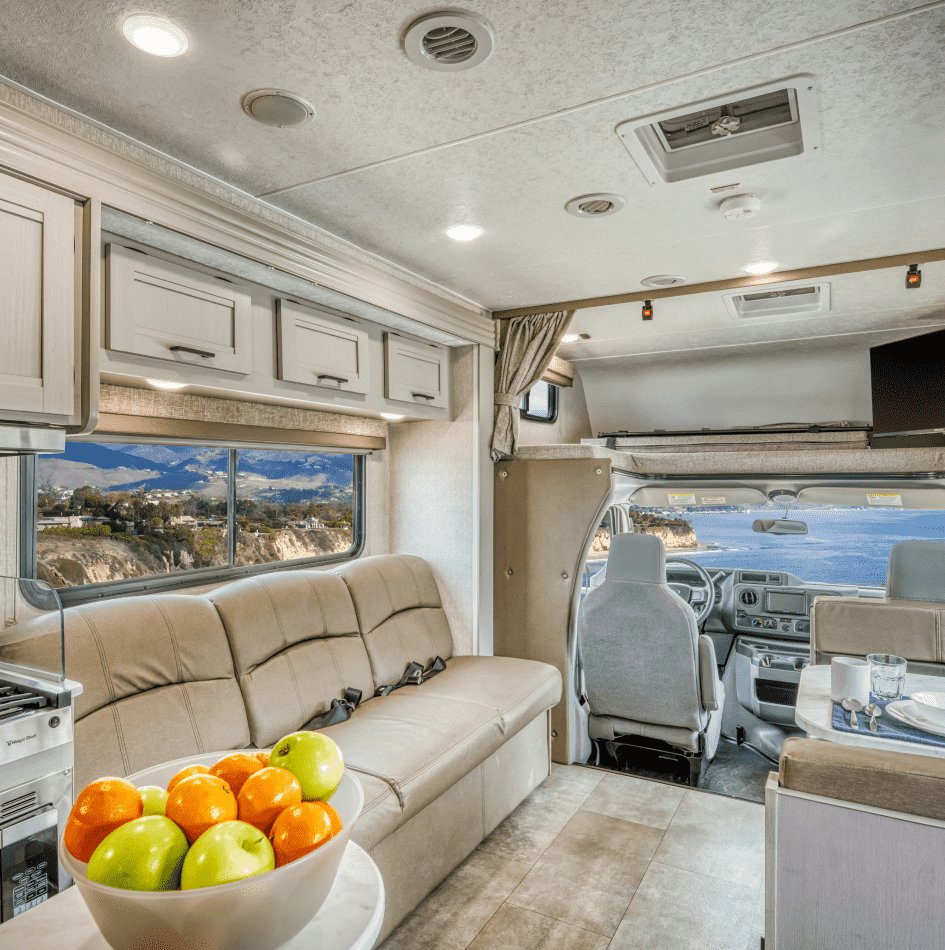
Staying in unfamiliar places can confuse dogs, so creating predictability is essential. Before booking, confirm pet‑friendly options and nearby green spaces. On arrival, walk your dog first so they can relax, then calmly explore the room or RV together. Show water, bed spot, and potty exit. Keep doors, windows, and screens secure to prevent escapes. Use a familiar bed or crate and a short play session to help the dog settle. A clear routine plus comfort items greatly reduces barking and stress.
Reading and respecting pet policies
Pet policies vary widely, so careful reading prevents expensive surprises or last‑minute cancellations. Check weight limits, breed restrictions, number of dogs allowed, and where dogs can go (lobby, pool area, trails, furniture). Confirm fees, deposits, and cleaning rules in writing.
Before booking, contact the property if any rule is unclear. Save emails and take photos at check‑in to document room condition. Respecting rules about leashes, unattended dogs, and waste disposal helps keep the stay pleasant and encourages more places to stay dog‑friendly.
Setting up a “home base” for your dog
A temporary “home base” helps dogs relax in unfamiliar places. Choose one quiet corner and keep bed, water bowl, and toys in the same spot for the entire stay. Use a familiar blanket or crate that smells like home to provide security. Establish a simple routine: potty break, settle on the bed, then rewards for calm behavior. Closing curtains and using a white‑noise app can reduce outside triggers and support restful sleep.
Preventing barking and property damage
Unfamiliar spaces can trigger barking and destructive behavior, so management and prevention are essential. First, limit your dog’s access with baby gates or a crate so valuables, cables, and furniture stay out of reach. Provide a chew toy or stuffed Kong to redirect energy.
To reduce barking, close curtains, use a white‑noise app or TV, and avoid leaving the dog alone for long periods. A Do Not Disturb – Dog Inside sign helps prevent sudden knocks. Practicing short "alone times" before the trip and rewarding calm behavior makes it easier for the dog to relax quietly in new places.
Keeping Your Dog’s Routine on the Road
Keeping a familiar rhythm greatly reduces stress for traveling dogs. Aim to keep meal, walk, and sleep times as close to normal as possible. Use the same food, feeding tools, and bedtime cues used at home. Plan driving or sightseeing around your dog’s core routine, not the other way around. Predictability helps prevent tummy upsets, restlessness, and problem behaviors on the road.
Feeding schedules and new foods
On the road, dogs feel safest when meals stay predictable. Aim to keep the same number of meals at roughly the same times as at home, adjusting by 30–60 minutes if time zones change. Sudden switches often cause stomach upset, so bring enough of the usual food for the whole trip or change gradually over 7–10 days.
If new food is unavoidable, mix a small amount into the regular food and increase slowly while monitoring stool and energy. Pack familiar treats and avoid rich restaurant scraps; fatty human foods can trigger vomiting or pancreatitis. Always carry safe drinking water, and if local water may differ, use bottled water to reduce digestive stress.
Exercise, toilet breaks, and sleep
Regular movement keeps dogs relaxed and prevents accidents during lifestyle travel. Aim for a short walk or play session every 3–4 hours, plus a longer outing morning and evening. Build in toilet breaks before driving, on every stop, and right after arrival at new places. Use the same cue words and praise so the dog understands where to go.
For sleep, try to keep the usual bedtime and wind‑down routine. Offer the familiar bed or crate in a quiet corner away from doors, windows, and hallway noise. Many dogs rest better after a calm evening walk and a final potty break. Enough sleep reduces barking, anxiety, and carsickness on the next day’s adventures.
Maintaining training and manners
Good manners during travel keep dogs welcome in more places. Practicing key cues before departure is essential. Sit, wait, leave‑it, and quiet are especially helpful in hotels, lobbies, and outdoor cafés. Short daily refreshers during the trip maintain responsiveness.
Reward calm behavior in new environments with treats and praise so the dog learns that relaxed manners pay off. Avoid harsh corrections; redirect with cues the dog already knows. Consistent rules from all family members prevent confusion and help the dog settle faster in every new stop.
Outdoor Adventures and Safety

Outdoor adventures can be the highlight of lifestyle traveling with a dog, but safety must come first. Before any hike, beach day, or urban walk, check if the area is dog‑friendly and what rules apply. Prepare for changes in weather, terrain, and local risks, and adjust plans to your dog’s fitness and temperament. With the right precautions, dogs can enjoy new sights and smells while staying comfortable, secure, and under control.
Heat, cold, and weather hazards
Weather can change from fun to dangerous very quickly, so owners should always plan for temperature and sudden storms. In hot climates, avoid midday walks, offer shade and cool water, and watch for heavy panting, bright red gums, or wobbling, which may signal heatstroke. In cold areas, limit time on snow and ice, protect paws with balm or boots, and dry the coat well after walks. Strong sun, wind, or thunderstorms can cause stress, so a snug harness, secure shelter, and a calm retreat spot help dogs feel safe.
Wildlife, plants, and local risks
Local environments can hide many dangers for dogs. Before traveling, research snakes, ticks, poisonous insects, and parasites common in the area. Learn which seasons are highest risk. On walks, prevent dogs from eating unknown plants, standing water, or dead animals.
To improve safety, keep to marked paths, use a leash in unfamiliar areas, and check paws and coat after outings. Carry tick removal tools and know emergency signs such as sudden swelling, vomiting, or collapse, then seek a vet immediately.
Trail etiquette and leash rules
Good trail manners keep everyone safe and welcome. Always follow posted leash rules first; even confident dogs must stay leashed where required. Use a non‑retractable leash for better control and keep the dog at your side when passing others. Yield the trail to hikers, horses, and cyclists by stepping aside and asking the dog to sit. Pick up waste immediately and pack it out. Prevent the dog from chasing wildlife or approaching strangers or other dogs without clear permission from the owner.
Health Emergencies Away From Home
Unexpected illness or injury during a trip can escalate quickly for dogs, so preparation and calm judgment are vital. Owners should learn their dog’s normal temperature, breathing, and behavior beforehand to notice subtle changes. In an emergency, focus on safety first: move the dog away from traffic or crowds, muzzle gently if there is a bite risk, and contact a vet before giving human medicines. Having local clinic numbers saved and pet insurance details ready allows faster decisions and better outcomes.
Travel first‑aid kit essentials
A compact dog first‑aid kit helps owners handle minor problems until a veterinarian can be reached. Pack any daily medications first, then add core items:
| Category | Essentials |
|---|---|
| Wounds | Sterile gauze, non‑stick pads, self‑adhesive bandage, antiseptic wipes or spray (pet‑safe), saline solution |
| Safety | Muzzle or soft muzzle loop, tick remover, tweezers, blunt‑tip scissors, disposable gloves |
| Stomach & Allergies | Electrolyte powder (dog‑safe), anti‑diarrhea recommended by a vet, antihistamine dose approved for the dog |
| Monitoring | Digital thermometer, alcohol wipes, small flashlight |
Owners should also include copies of vaccination records and emergency vet contacts in the kit pouch.
Finding vets and emergency clinics
Finding help quickly is crucial in an emergency, so travelers should research vets before departure. Search “24‑hour emergency vet + destination name,” then save the clinic name, address, and phone number in a phone and on paper. Map the route in advance.
Pet owners can also ask their regular vet for a recommended clinic network, and store records in a cloud folder for easy sharing. Upon arrival, it is wise to note the nearest emergency hospital from the hotel or campsite and keep a taxi or local transport option ready.
When to cut a trip short
A trip should be cut short when a dog’s health, safety, or stress level is at risk. Warning signs include repeated vomiting or diarrhea, labored breathing, sudden lethargy, limping, collapse, or allergic reactions such as facial swelling or hives. Severe anxiety, nonstop barking, or refusal to eat or toilet for more than a day also indicate serious distress. If a vet advises returning home, prioritizing the dog over plans is the safest choice for everyone.
Budget and Gear for Dog‑Friendly Travel
Travel budgets change once a dog joins the trip. Owners need to consider gear investment, ongoing costs, and ways to avoid unnecessary fees. A simple plan helps prevent surprise expenses and keeps travel enjoyable.
| Cost Area | What to Consider | Why It Matters |
|---|---|---|
| Gear | Crates, harnesses, bowls, beds | One‑time cost, improves safety and comfort |
| Daily costs | Food, treats, poop bags | Must be covered for the entire trip |
| Services | Pet fees, daycare, walkers | Can raise the total travel budget quickly |
| Health | Vet visits, meds, insurance | Important for emergencies and peace of mind |
By reviewing each area in advance, owners can enjoy lifestyle travel with fewer money worries and better choices for the dog’s well‑being.
Planning for extra pet costs
Travel with a dog usually adds noticeable extra costs, so a simple budget plan is useful. Include: pet fees at hotels or rentals, higher cleaning deposits, transport surcharges, extra fuel for more stops, pet‑sitting/daycare for no‑dog activities, and vet or medication costs on the road. Adding a small emergency buffer for sudden vet visits or replacing gear helps keep the trip relaxed and avoids financial stress.
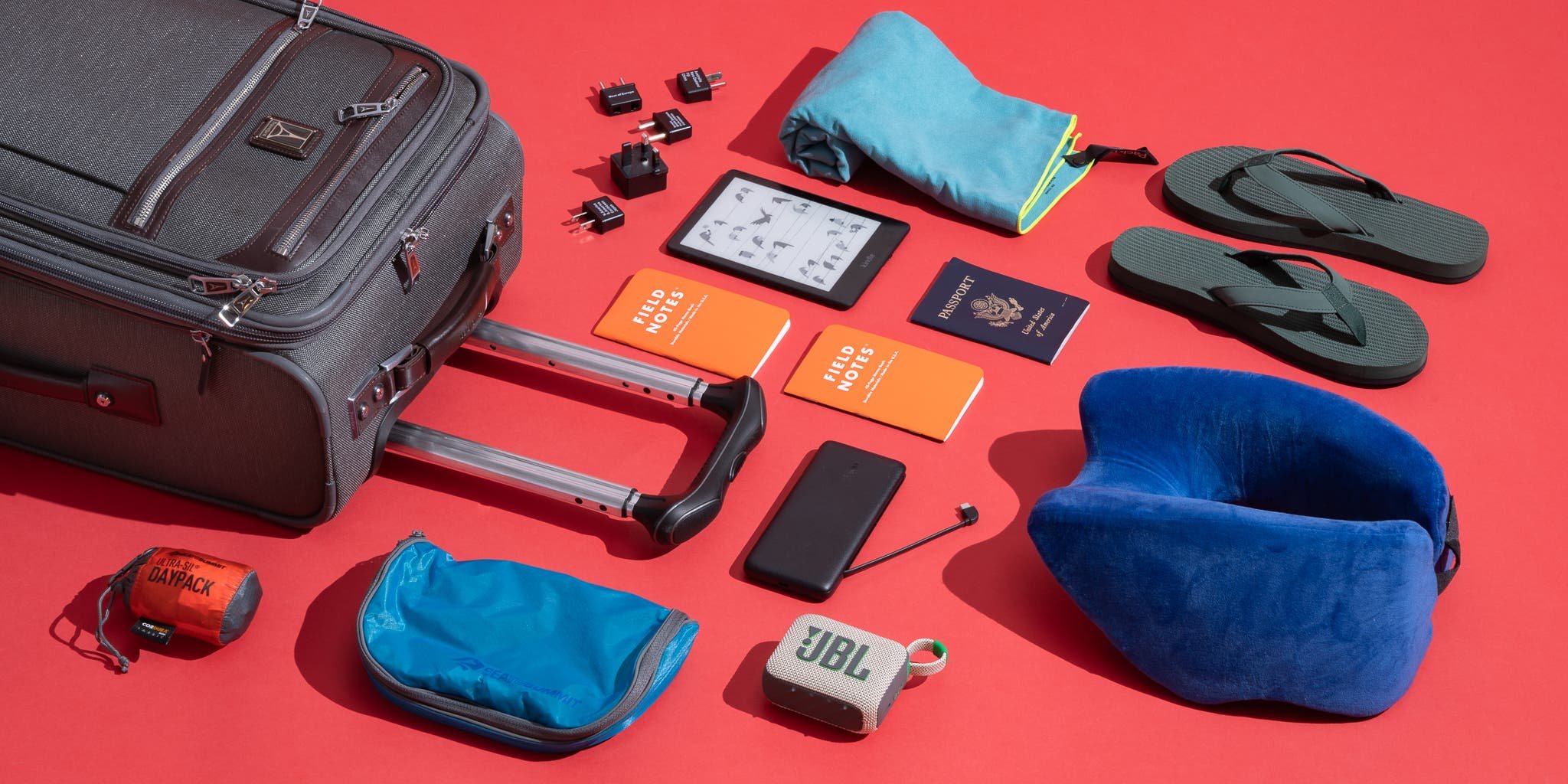
Must‑have gear vs. nice‑to‑have items
When traveling, it helps to separate essentials from nice extras.
| Category | Must‑have gear | Nice‑to‑have items |
|---|---|---|
| Safety | Crash‑tested harness or crate, secure leash, ID tags | LED collar light, reflective vest |
| Comfort | Travel bed/blanket, familiar toy, poop bags | Dog stroller, cooling mat |
| Health | Regular food, collapsible bowl, meds, first‑aid kit | Supplements, portable dog shower |
Prioritizing safety, basic comfort, and health keeps luggage light and the dog protected.
Saving on pet fees and activities
Pet‑friendly travel can be affordable with a bit of planning. First, compare pet fees when booking; some chains cap fees per stay, while others charge nightly. Look for deals like “pets stay free” periods or longer‑stay discounts. Plan free or low‑cost activities such as dog‑friendly beaches, parks, and walking tours instead of paid attractions. Bringing your own treats, toys, and portable bowls also reduces impulse buys at tourist shops and airports.
Capturing Memories Without Stressing Your Dog
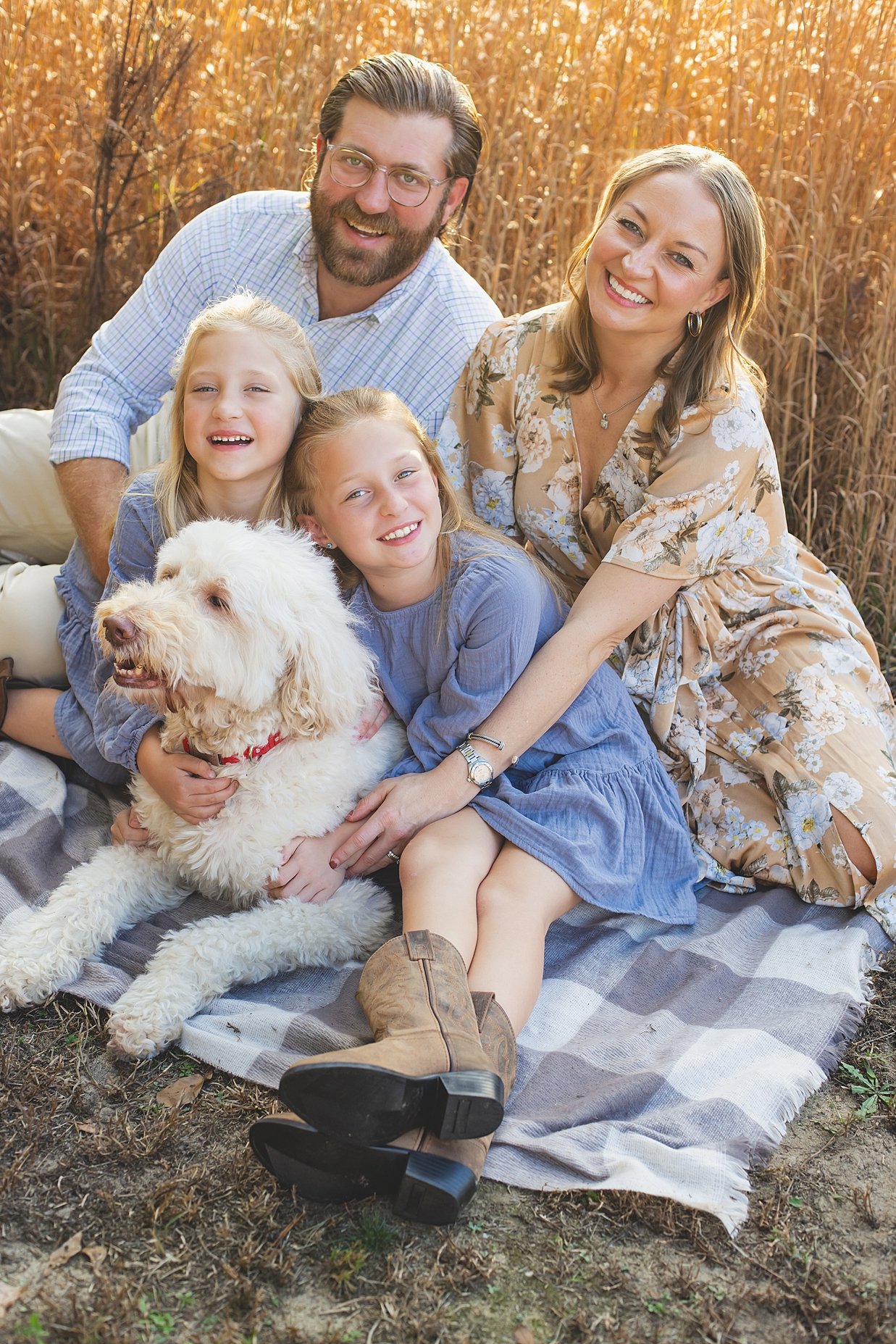
Travel memories are precious, but a relaxed dog is more important than the perfect shot. Prioritize comfort and safety over content. Watch for stress signs such as yawning, lip licking, turning away, or tucked tail, and stop activities when they appear. Avoid crowded photo spots, loud locations, or forcing poses. Choose quiet times of day and keep photo sessions short with plenty of breaks, praise, and treats. A few natural, happy moments will tell a better story than dozens of stressed‑looking photos.
Photos and videos the kind way
Many dogs feel pressured during long photo sessions. Prioritizing the dog’s comfort creates more natural memories. Use short sessions, plenty of treats, and end on a positive note. Avoid flashes near the eyes and loud shutters. If the dog turns away, licks lips, or yawns repeatedly, give a break. Candid photos during walks or play often capture the best moments without forcing poses or stressing the dog.
Balancing adventures and downtime
Dogs enjoy new places, but constant stimulation can be exhausting. Aim for one or two key activities a day and leave the rest for relaxed walks, sniffing, and naps. Watch for early stress signals such as lip licking, yawning, or clinginess, and respond by shortening outings. Quiet time in the room or RV with a chew or puzzle toy helps dogs reset. Planning “do‑nothing” blocks into the itinerary keeps both owner and dog happier and prevents over‑tired behavior.
This article explains 11 practical lifestyle tips for traveling with a dog, from readiness checks and packing to car/air travel, lodging, safety, budgets, and memories, so owners can enjoy stress‑free trips while keeping their dogs comfortable and secure.








![My puppy won't learn to use the toilet [Keep training simple!]](https://with-my-dog.com/wp-content/uploads/2021/12/dog-g33cd6bf6a_1920-150x150.jpg)

![[Popular dog food rankings] Recommended dog food and how to choose it](https://with-my-dog.com/wp-content/uploads/2021/10/入れ替え_5枚目-150x150.jpeg)
![[Shiba Inu] Why does he get angry when you touch his food bowl? Here are the reasons and three solutions](https://with-my-dog.com/wp-content/uploads/2022/07/image2-15-150x150.jpg)