
Many dog owners are worried as their dogs' weight gradually increases. It's said that a healthy and sustainable weight loss can be supported by moderate exercise and a review of their food choices. This article selects seven recommended weight-loss dog foods for 2026, clearly explaining their features and how to choose the right one from a third-party perspective. This article will be helpful for anyone looking for the "best dog food for weight loss" to help maintain their dog's health.
How to Tell if Your Dog Needs to Slim Down
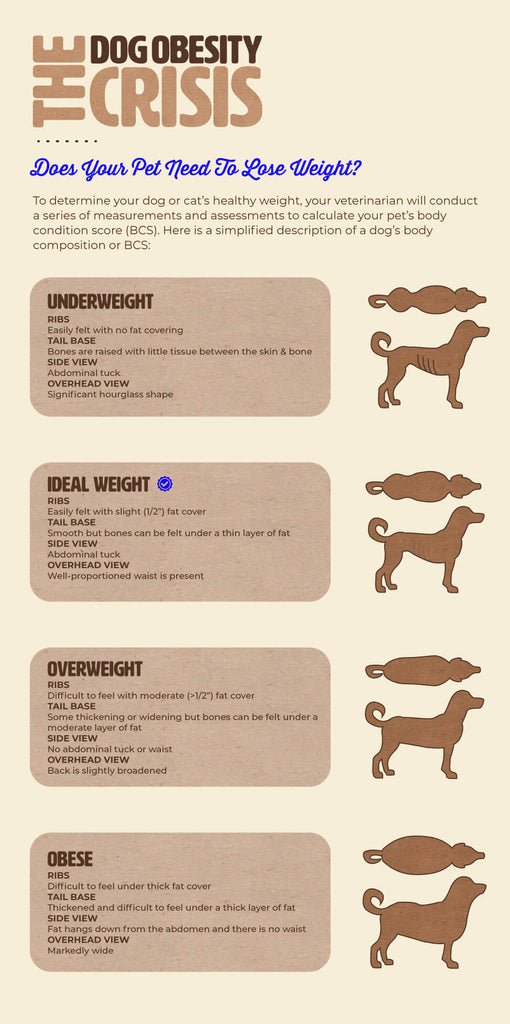
Extra weight can creep up on dogs very quietly. Many owners only notice a problem once energy drops or breathing becomes harder on walks. Before choosing the best dog food for weight loss, it is important to confirm whether a diet is truly needed. A simple body check at home, combined with regular weigh‑ins and a vet’s guidance, helps decide if the goal should be weight loss, maintenance, or muscle gain. Careful judgment prevents both overfeeding and unhealthy crash dieting.
Common signs of unhealthy weight gain
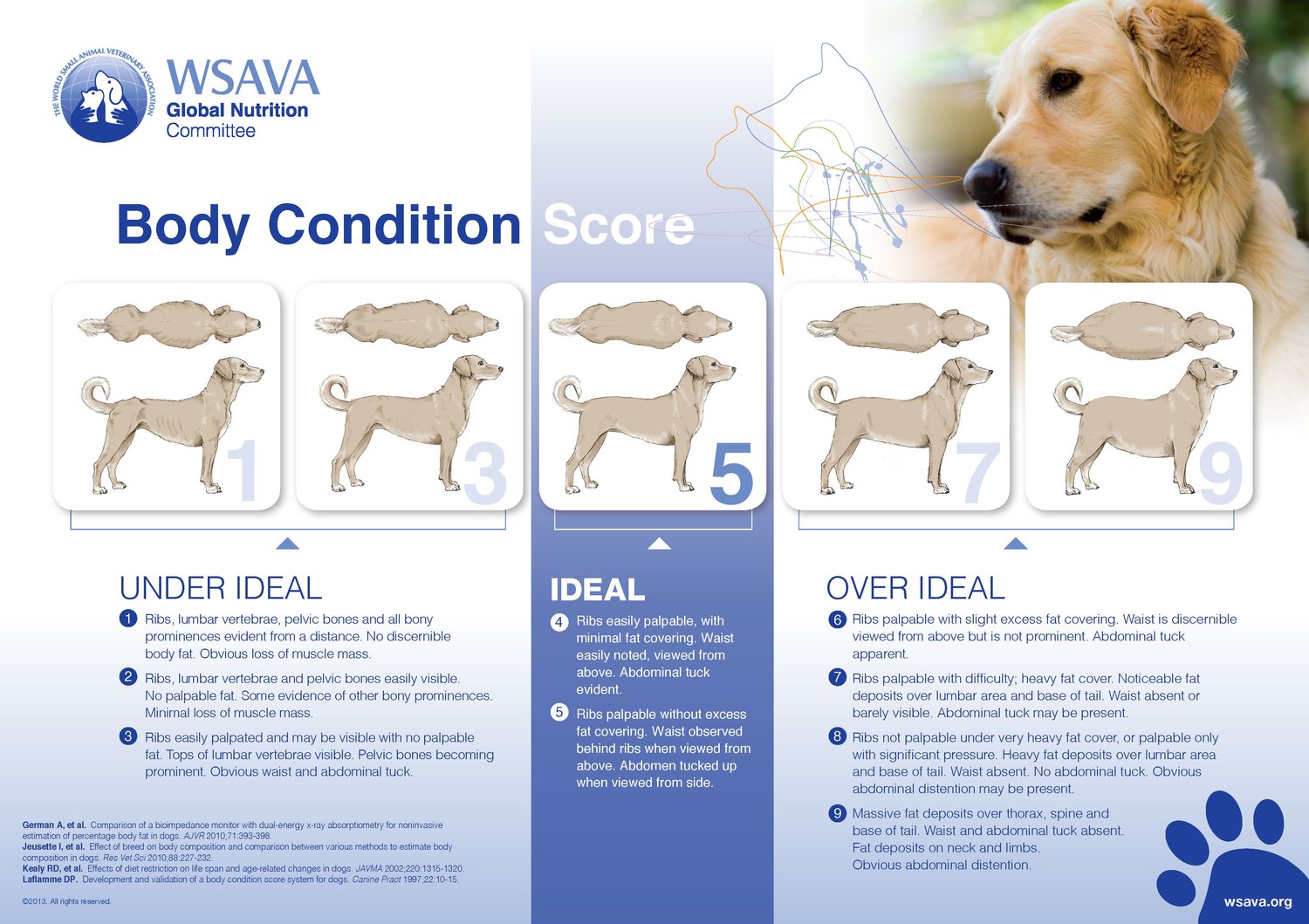
Unhealthy weight gain often appears gradually. Owners may notice ribs that are hard to feel under a layer of fat, a lack of a defined waist when viewed from above, or a sagging belly from the side. Tightened collars or harnesses, less willingness to jump on the sofa or into the car, heavier panting on short walks, and reduced stamina during play are also common warning signs of excess weight.
Health risks of extra pounds in dogs
Extra weight puts strong, constant strain on a dog’s whole body. The most common problems are joint and back pain, arthritis worsening, and reduced mobility. Overweight dogs also face a higher risk of diabetes, heart and breathing disease, high blood pressure, pancreatitis, and some cancers. Heat stroke becomes more likely, and life expectancy can shorten. Early weight control helps prevent chronic illness and improves everyday comfort and energy.
What to Look For in Weight‑Loss Dog Food
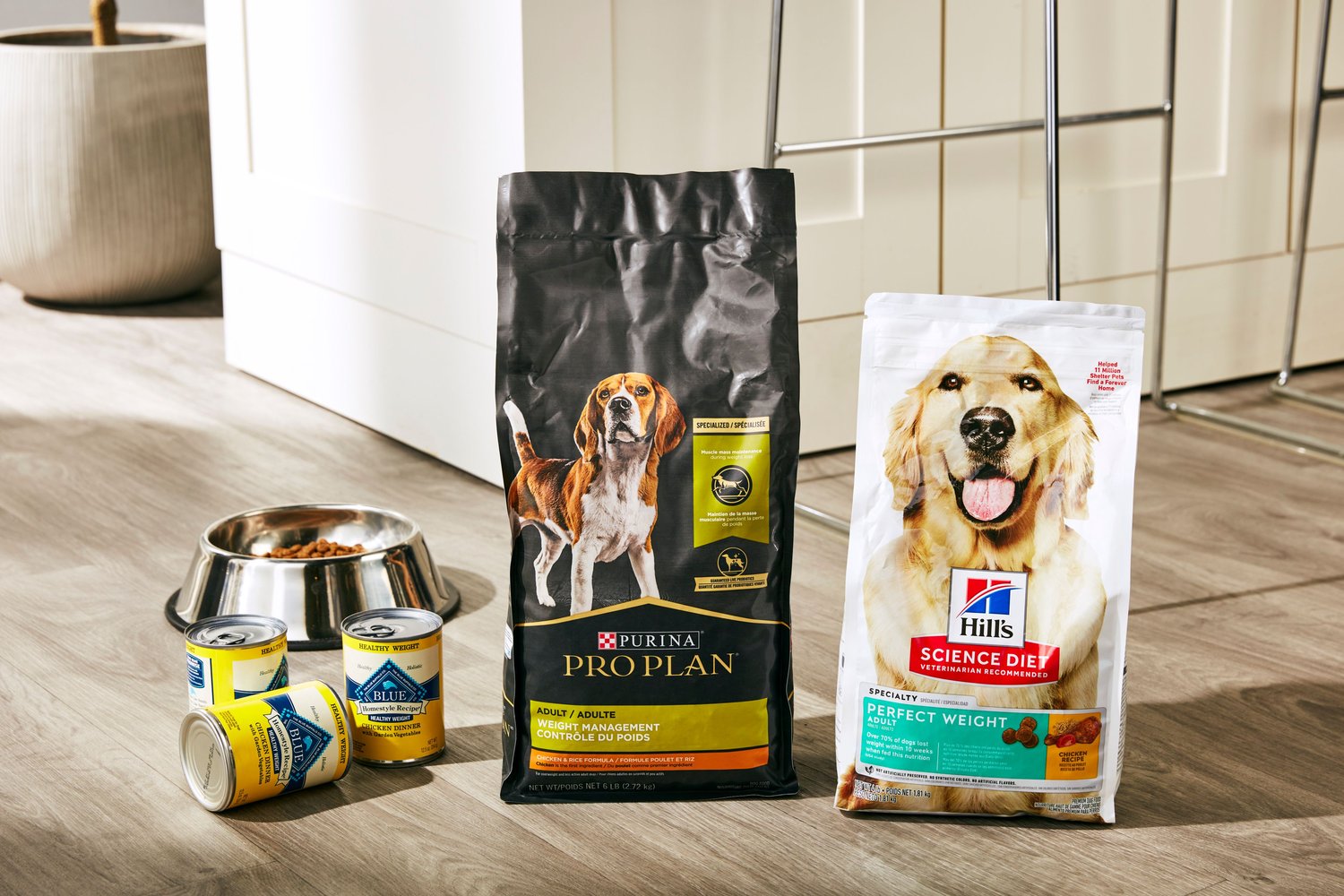
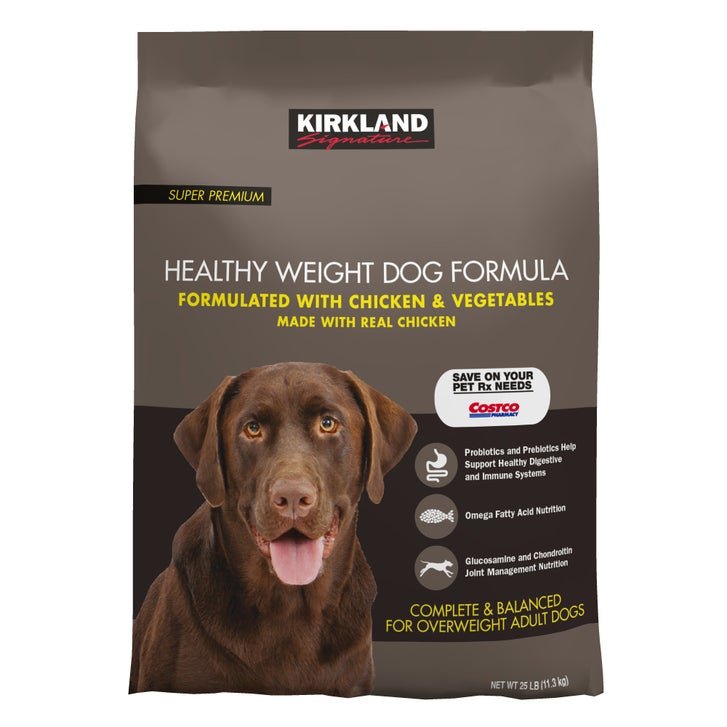
When choosing weight‑loss dog food, owners should focus on controlled calories, high-quality protein, and good satiety. A good formula supports gradual fat loss while keeping muscle and energy. Check the label for AAFCO or similar standards, a clear feeding guide, and ingredients you recognize. Avoid relying only on “light” or “diet” claims; instead, compare calories per cup and nutrient balance to find food that matches the dog’s age, size, and activity level.
Ideal calories and portion control
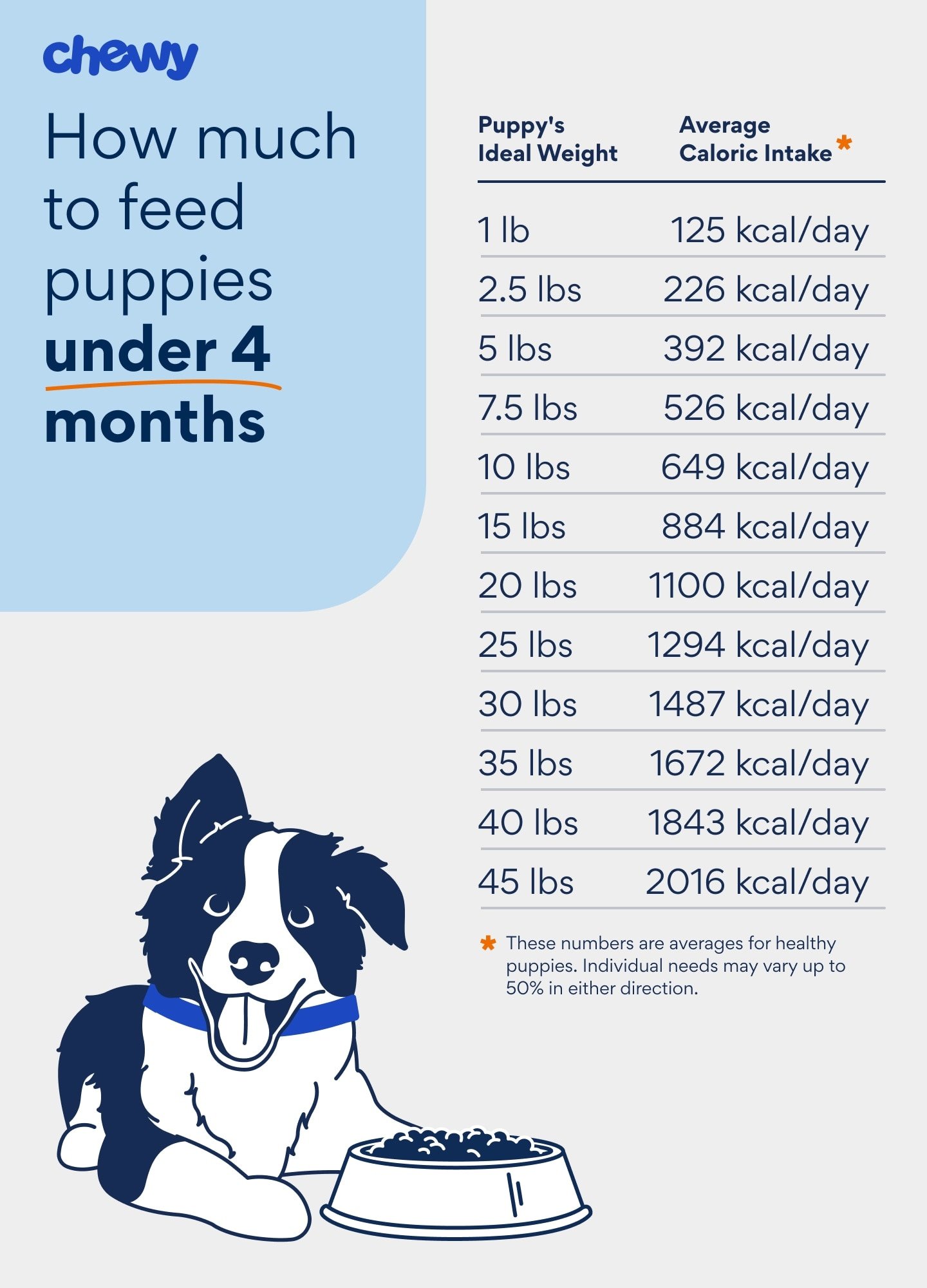
For weight loss, the total daily calories matter more than the food label alone. As a guide, aim to feed about 60–70% of the calories your dog would need at a healthy weight, unless a veterinarian advises otherwise. Manufacturers’ charts often overestimate needs, so portions usually must be measured with a kitchen scale or proper measuring cup. Split the daily amount into 2–3 meals to reduce begging and sudden hunger, and avoid free‑feeding, which makes calorie control almost impossible.
Protein, fat, and fiber balance
For effective weight loss, the overall balance of protein, fat, and fiber is more important than any single nutrient.
| Nutrient | Role in weight loss | General guideline* |
|---|---|---|
| Protein | Maintains lean muscle, keeps dogs full | High: often 25–35% of calories |
| Fat | Main source of calories | Moderate to low: less than standard food |
| Fiber | Adds bulk, slows digestion, controls hunger | Higher than regular food |
Adequate protein helps prevent muscle loss as body fat drops. Controlled fat reduces calories without starving the dog. Increased fiber supports satiety and steady energy, which makes it easier to stick to the diet.
*Exact needs differ by age, size, and health; a veterinarian can give a more precise target.
Quality ingredients to prefer
For weight‑loss dog food, simple, recognizable ingredients are ideal. Look for real animal protein (chicken, turkey, salmon, etc.) as the first ingredient, plus whole grains like brown rice or oats, or clearly named carb sources such as sweet potato. Prefer formulas with added omega‑3s, joint‑support nutrients (glucosamine, chondroitin), and probiotics for digestion. Limited fillers and artificial colors, flavors, or preservatives are also desirable.
Ingredients and claims to be wary of
When choosing diet food, certain elements deserve caution. Avoid artificial colors, flavors, and BHA/BHT preservatives, since they add no health benefit. Limit foods very high in salt or sugar, which can boost palatability but hinder weight loss. Be wary of vague terms such as “meat by‑product” or “animal digest” without a named species. Marketing phrases like “low‑fat,” “natural,” or “grain‑free” are not guarantees of weight‑loss suitability; always confirm calories, fiber content, and AAFCO adequacy on the label.
How We Chose These 7 Dog Foods
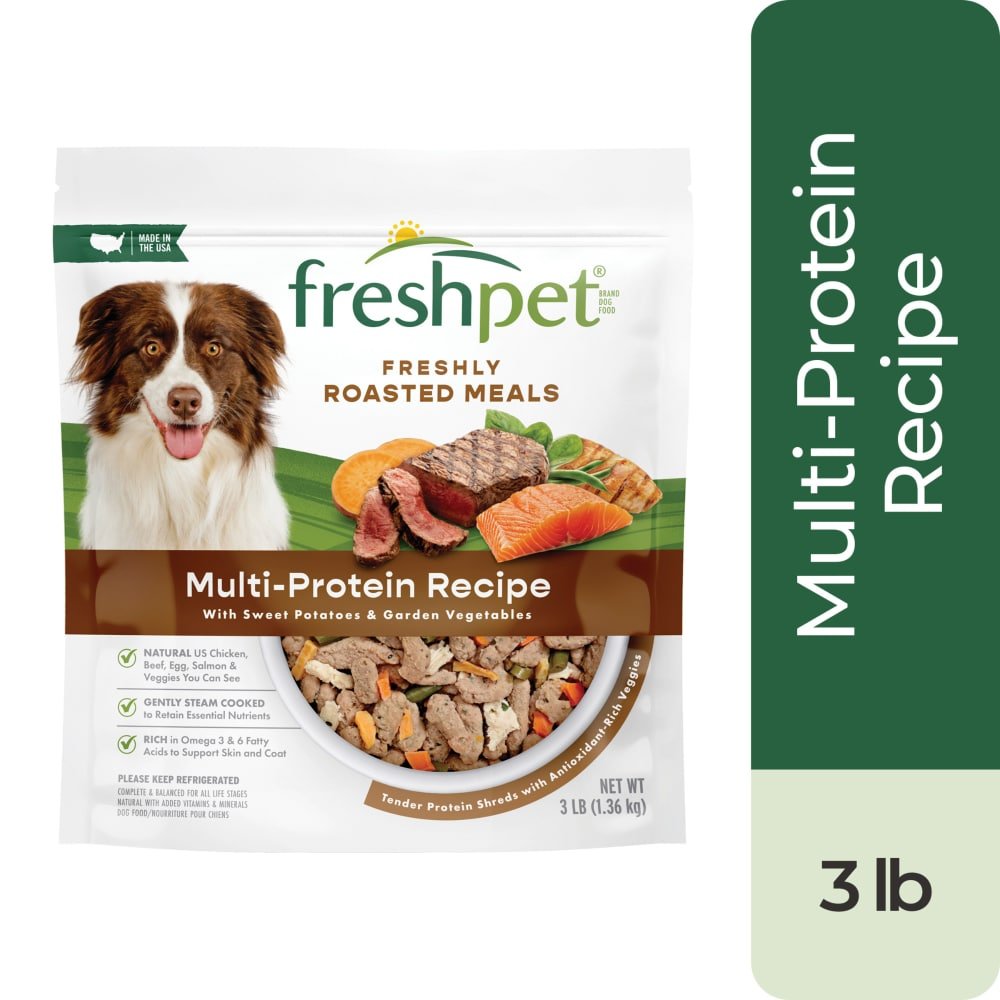
Choosing the right weight‑loss food is crucial, so products were compared using clear, objective criteria. Priority was given to complete and balanced recipes formulated for weight management, backed by AAFCO standards. Calorie content per cup, protein and fiber levels, and fat percentage were evaluated to support fat loss while preserving muscle.
Ingredient quality, recall history, and transparency of labeling were also examined. Finally, palatability, owner reviews, price range, and availability were considered to highlight safe, realistic options most families can actually use.
Veterinary input and safety checks
Veterinary supervision is essential when selecting weight‑loss dog food. Each recommended product is reviewed against common veterinary guidelines: appropriate calorie density, complete and balanced formulation, and safe, gradual weight‑loss targets. Brands are checked for transparency in labeling and clear feeding directions.
In clinical practice, vets also look for foods suitable for dogs with joint issues, senior dogs, or pets on medication. Owners are encouraged to consult a veterinarian before starting any diet, especially if sudden weight gain, lethargy, or other symptoms are present, to rule out hidden disease.
Nutritional standards and recalls
Weight‑loss dog foods should meet AAFCO or FEDIAF complete and balanced standards for the appropriate life stage. This confirms adequate protein, vitamins, and minerals even with fewer calories. Products were checked for recent recalls or safety alerts, plus each brand’s recall history and transparency. Preference was given to companies that perform feeding trials and publish clear nutrient analyses and manufacturing controls.
Value for money and owner feedback
Cost matters for many owners, but very cheap diet food can mean poorer ingredients or low protein. Good value usually means:
| Point | What to check |
|---|---|
| Price per day | Compare cost per meal, not per bag or can |
| Protein & calories | Adequate protein, clear calorie info per cup |
| Bag size & availability | Easy to buy regularly, in sizes that stay fresh |
Owner reviews are helpful for spotting patterns such as palatability, stool quality, and visible weight loss. However, feedback should support, not replace, veterinary and nutritional standards.
Best Dog Food for Weight Loss Overall
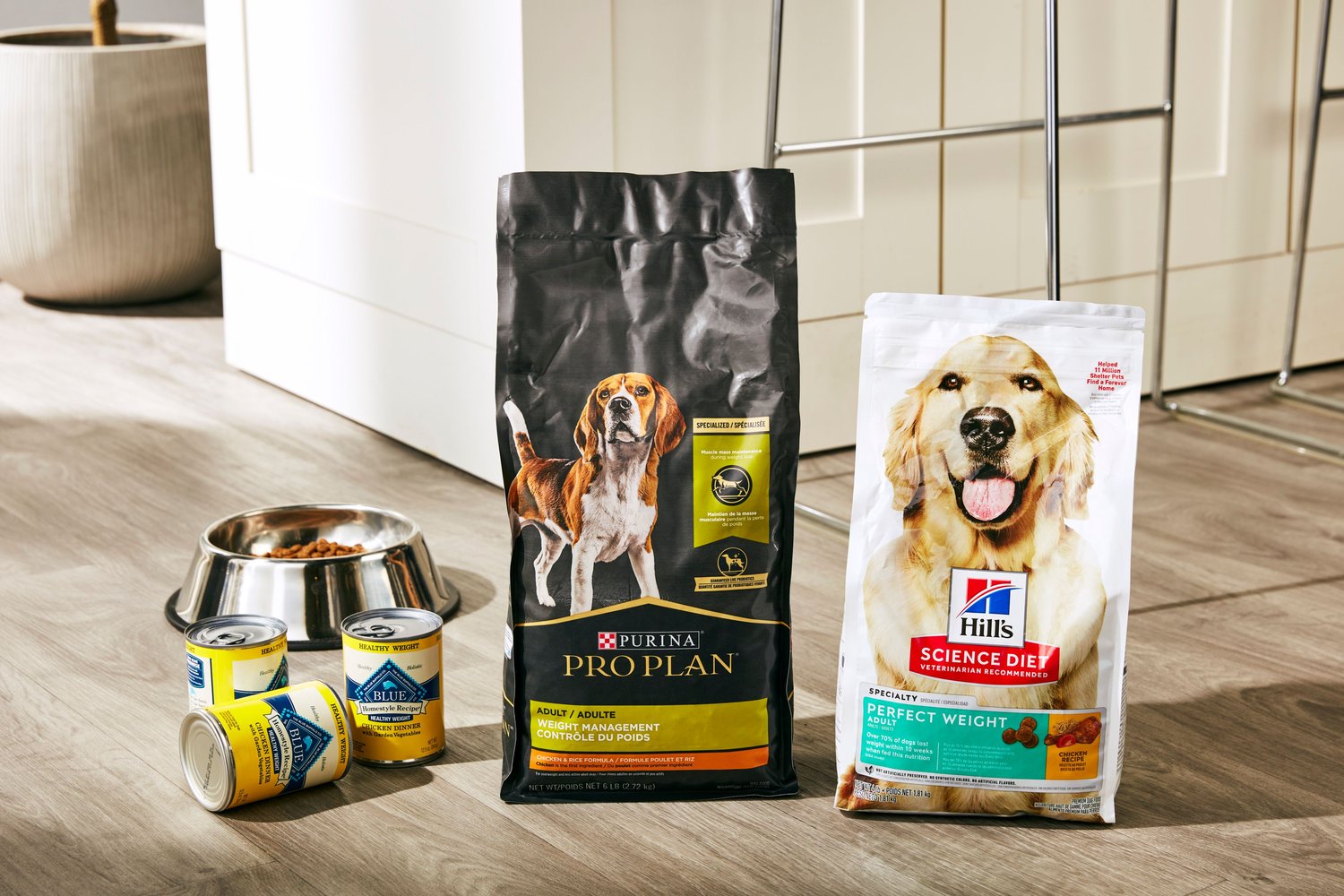
For most overweight dogs, the best overall weight‑loss food offers moderate calories, high-quality protein, and plenty of fiber to keep them full. A typical “best in class” formula is a complete, balanced adult diet with around 280–340 kcal per cup, over 25% protein (dry matter), and added fiber from sources like beet pulp or pumpkin. It should carry an AAFCO statement for adult maintenance, list meat or fish as the first ingredient, and be suitable for many breeds and activity levels so owners can use one reliable product long term.
Key benefits for overweight dogs
A well‑designed weight‑loss formula helps dogs feel full on fewer calories, so owners can reduce portions without constant begging. High protein supports lean muscle, which keeps metabolism higher during dieting. Added fiber and moisture improve satiety and stool quality. Carefully balanced nutrients protect joints, heart, and blood sugar while extra weight comes off, and clear feeding guidelines make safe, steady loss easier to manage at home.
Best for which dogs and why
The overall best weight‑loss formula suits most healthy adult dogs that need to lose mild to moderate weight. It is especially helpful for dogs that:
- Are moderately active and go on daily walks
- Need to lose about 5–20% of body weight
- Tend to beg for food or act hungry between meals
Owners who prefer a straightforward, vet‑style recipe with clear calorie information also benefit. However, very young puppies, pregnant dogs, or dogs with chronic disease usually need a more specialized diet chosen with veterinary guidance.
Best Dry Kibble for Weight Management
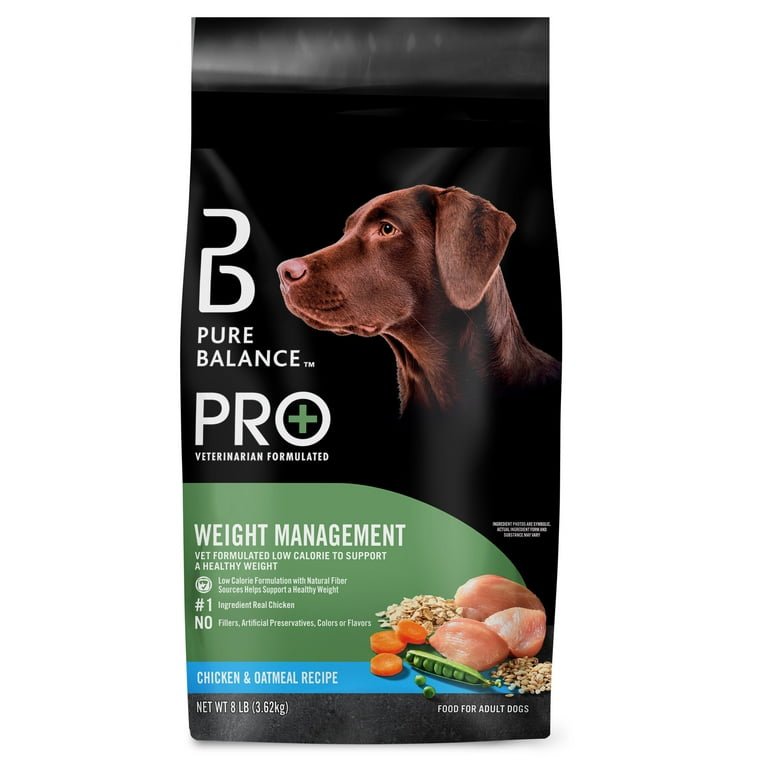
A good weight‑management kibble focuses on controlled calories with strong nutrition, not just less food. Look for "weight management" or "healthy weight" formulas that are AAFCO‑approved. Key features include moderate calories per cup, higher protein to support muscles, extra fiber for fullness, and limited fat. Smaller kibble size can help accurate measuring, and a clear feeding guide by ideal weight makes daily portions easier to manage.
Nutrient profile and calories
The best dry weight‑management kibble usually provides fewer calories per cup while keeping a solid nutrient balance. As a guide, weight‑loss formulas often range around 260–340 kcal per cup, compared with 350 kcal or more in regular diets. A good product offers moderate fat, higher quality protein, and added fiber to support satiety and preserve lean muscle while total daily calories are reduced.
Pros, cons, and ideal users
Dry weight‑management kibble typically offers fewer calories per cup, higher fiber, and moderate fat, helping dogs feel full while losing weight. Advantages include easy portion control, lower cost per meal, and good dental abrasion from crunching. However, some picky eaters prefer wet food, and dogs with poor teeth or low water intake may struggle with dry kibble alone. Ideal users are otherwise‑healthy adult dogs who drink well, tolerate kibble, and whose owners want a convenient, measurable diet plan.
Best Wet Dog Food for Weight Loss
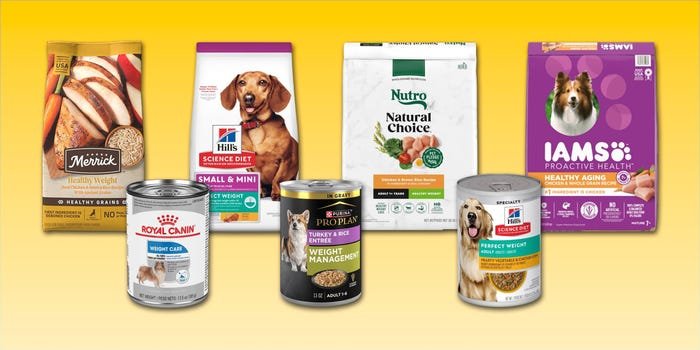
Wet food can be very effective for weight loss because it is naturally lower in calories per cup than most dry food and helps dogs feel fuller. Look for formulas labeled "weight management" or "light" that provide controlled calories, moderate fat, and good-quality protein. High‑moisture texture is often appealing to picky eaters, making it easier to stick to a diet plan.
For overweight dogs, wet food is especially useful when portion sizes are carefully measured with a scale or measuring cup. Owners can also combine a smaller amount of kibble with wet food to boost satisfaction without adding too many calories.
Why higher moisture can help
Wet dog foods usually contain around 70–80% water, compared with about 10% in dry kibble. The extra moisture adds volume without many calories, so dogs feel fuller on fewer calories. High‑moisture food also supports kidney and urinary health, which is important when adjusting diets. In addition, many dogs find the aroma and texture more appealing, so owners can maintain a calorie deficit without needing to overfeed to tempt picky eaters.
When wet food is a good choice
Wet food can be a very useful tool for weight control in several situations.
- It is often more appetizing, so it helps picky eaters or senior dogs keep eating while calories are reduced.
- Dogs with dental problems or missing teeth may find soft food easier to chew.
- Guardians who must add medications or supplements to meals may find wet food more practical.
- For dogs that gulp dry food, wet food can be spread in a slow feeder to encourage slower, calmer eating.
However, guardians should still check calories per can or pouch and measure portions carefully to avoid overfeeding.
Best High‑Protein Formula for Active Dogs
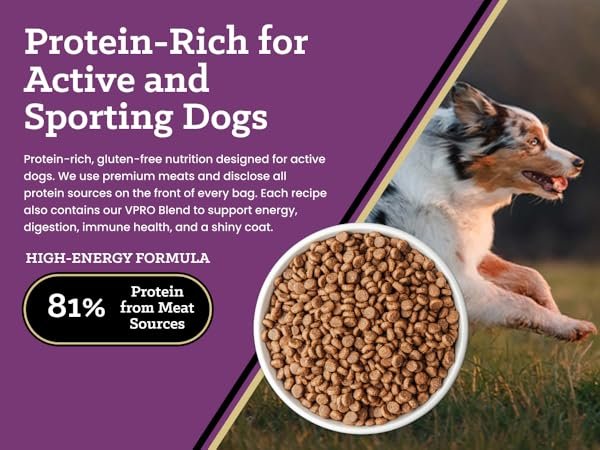
A high‑protein weight‑loss formula suits dogs that are still fairly active and enjoy walks, play, or sports. Higher protein supports lean muscle, which burns more calories, while controlled fat and calories encourage gradual weight loss. Many such recipes use real meat as the first ingredient, added L‑carnitine for fat metabolism, and moderate fiber to keep dogs satisfied between meals. Active dogs generally do best when paired with regular exercise and careful portion control alongside a high‑protein diet.
Supporting lean muscle while dieting
High‑protein formulas help an overweight dog lose fat while protecting muscle. Adequate protein provides amino acids for muscle repair after walks and play, keeps metabolism higher, and increases satiety so the dog feels fuller on fewer calories. For many dogs on a diet, aiming for a food with higher protein and controlled fat is safer than simply cutting portions, which can lead to muscle loss and a sluggish, hungry dog.
Which dogs benefit the most
High‑protein weight‑loss formulas suit dogs who remain fairly active or are expected to regain fitness. Sporting breeds, young adults, and working dogs benefit because protein helps preserve lean muscle while fat stores are reduced. Dogs prone to muscle loss, such as senior but still energetic individuals, may also gain from careful use under veterinary guidance. Very sedentary or heart‑ or kidney‑compromised dogs usually require a more moderate approach.
Best Weight‑Control Food for Small Dogs
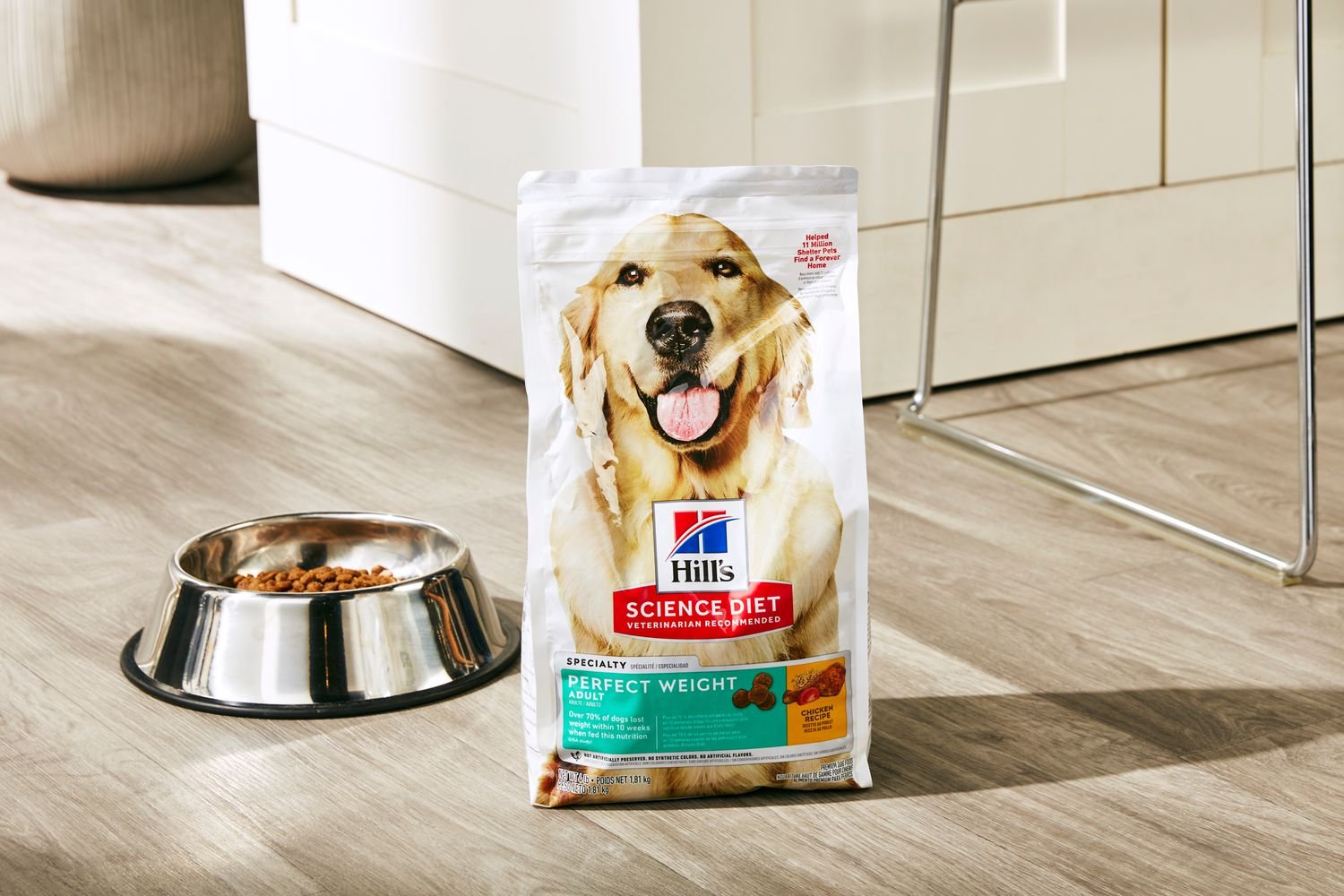
Small breeds burn energy quickly but have tiny stomachs, so weight‑control food for them must be nutrient‑dense yet lower in calories per bite. Good formulas for small dogs usually feature high‑quality animal protein, moderate fat, and added fiber to support satiety. Mini‑size kibbles help small jaws chew comfortably and reduce the risk of gulping. Many small‑breed weight‑control foods also include joint and dental support, which is helpful for long‑lived toy breeds that tend to gain weight in middle age.
Kibble size and calorie density
For small dogs, tiny kibble with moderate calorie density is ideal. Small mouths and teeth need easy‑to‑chew pieces so dogs can bite, digest, and absorb nutrients well. At the same time, very calorie‑dense kibble makes overfeeding likely, even with small portions. Weight‑control formulas for small breeds usually offer smaller kibble and fewer calories per cup, helping owners serve satisfying meals without excessive energy intake.
Feeding tips for toy breeds
Toy and small‑breed dogs burn fewer calories but often receive many treats, so precision matters.
- Weigh food, do not scoop. Even a few extra kibbles can exceed the daily allowance.
- Divide meals into 3–4 small feedings to prevent hunger and begging.
- Choose low‑calorie training treats or use part of the daily kibble ration as rewards.
- Avoid sharing human snacks; a small bite for humans can equal a full meal for a toy dog.
- Monitor weight every 2–4 weeks and adjust portions in tiny steps, about 5–10% at a time.
Best Weight‑Control Food for Large Dogs
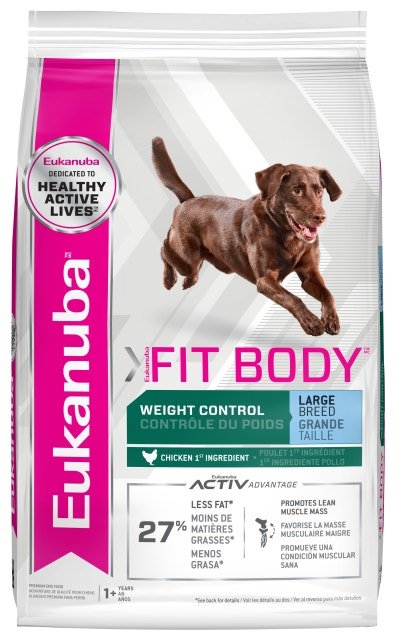
Large‑breed weight‑control formulas focus on controlled calories, joint health, and satiety. Look for foods labeled for large breeds with moderate fat, higher fiber, and added joint nutrients such as glucosamine and chondroitin. Kibble size should encourage chewing, not gulping. For many big dogs, weight‑management versions of their regular brand work well, as long as portions are carefully measured and treats are counted into the daily calorie total.
Joint support and satiety
Large-breed dogs carry more weight on their frame, so joint support and long‑lasting fullness are crucial in weight‑control food. Ideal formulas include added glucosamine and chondroitin to support hips and elbows, plus omega‑3s (EPA/DHA) to help manage inflammation. For satiety, look for higher fiber and moderate protein to keep dogs feeling full on fewer calories, helping prevent begging and scavenging between meals.
Special concerns for big breeds
Large‑breed dogs place more stress on joints and are prone to hip dysplasia, arthritis, and cruciate injuries, especially when overweight. A good weight‑loss food for big dogs should have controlled calories per cup, added joint support ingredients such as glucosamine and chondroitin, and balanced calcium and phosphorus. Owners should also avoid rapid weight loss, as too‑fast loss can reduce muscle mass that protects large joints.
Best Budget‑Friendly Weight‑Loss Option
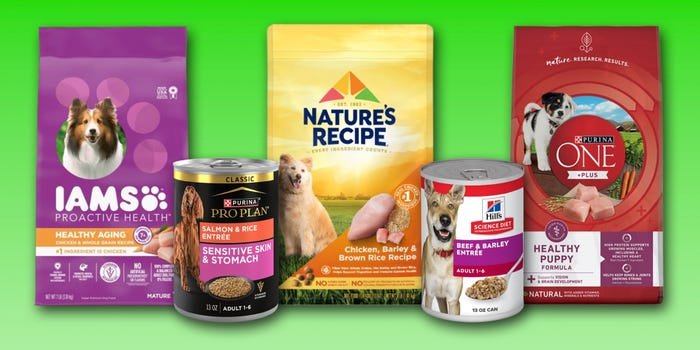
A budget‑friendly weight‑loss food should still be nutritionally complete and meet AAFCO standards. Many major brands offer “healthy weight” or “weight management” lines at moderate prices. Choose formulas with controlled calories, higher protein, and added fiber so dogs feel full. Large bags often reduce cost per meal, and retailers frequently provide coupons or loyalty discounts, which helps owners stay consistent with a long‑term weight‑loss plan.
Keeping quality on a budget
A budget‑friendly weight‑loss food can still be nutritious and safe when owners focus on core points rather than fancy marketing. The most important aspects are an AAFCO‑compliant label, clear feeding guidelines, and a moderate‑calorie formula with adequate protein.
To keep quality high, owners may:
- Prioritize complete and balanced foods over “premium” branding
- Choose chicken, turkey, or fish as main proteins instead of exotic meats
- Buy larger bags or multipacks when storage space allows
- Watch for manufacturer coupons and loyalty programs
Avoid cutting costs by home‑diluting food or skipping vet checkups, because both can undermine weight‑loss efforts and overall health.
Where it may fall short
Budget weight‑loss foods can work well, but there are trade‑offs. Protein sources may be more by‑product based and fiber may rely on cheaper fillers, so some dogs feel less satisfied or have softer stools. Kibble may lack extras like joint support or probiotics, and flavors can be limited. Owners of dogs with allergies, sensitive stomachs, or complex health issues may need a more specialized, and therefore higher‑priced, formula.
How to Switch to a Diet Dog Food Safely
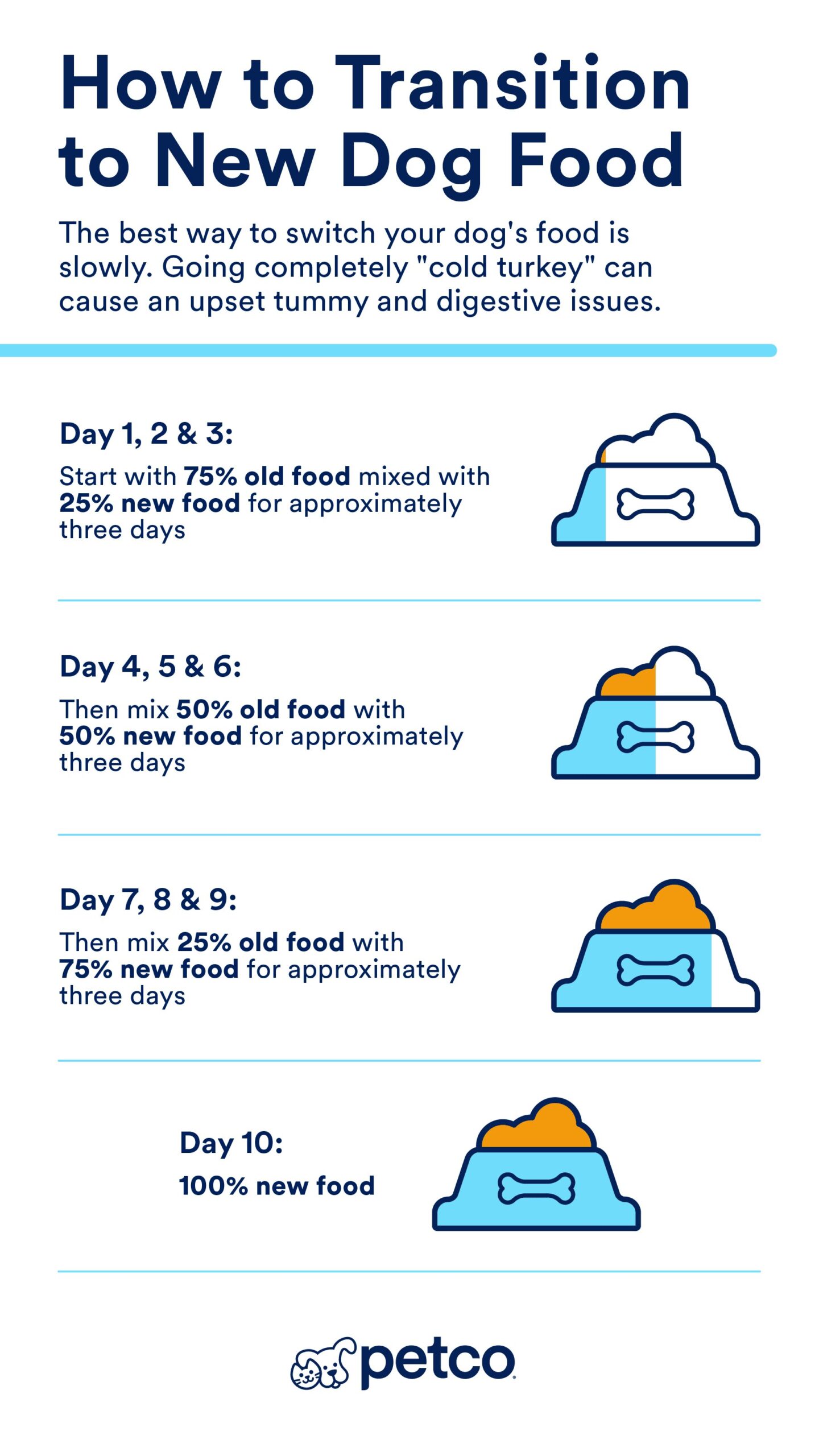
Switching to a lower‑calorie food must be done gradually to protect your dog’s digestion and keep meals enjoyable. A sudden change can trigger vomiting, diarrhea, or refusal to eat. Most dogs adjust well when new food is mixed into the current food over 7–10 days, with the proportion of diet food slowly increasing. During the switch, owners should monitor stool, appetite, energy level, and any itching or gas, and pause or slow the transition if clear discomfort appears.
Transition schedule step by step
A gradual change prevents digestive upset and food refusal. A common safe transition is 7–10 days.
| Day | Old food | New diet food |
|---|---|---|
| 1–2 | 75% | 25% |
| 3–4 | 50% | 50% |
| 5–6 | 25% | 75% |
| 7–10 | 0% | 100% |
Keep total calories the same during the switch. For very sensitive stomachs or senior dogs, extend each step to several days and change more slowly.
Watching for tummy troubles
Digestive upset is common when changing to diet dog food, so careful monitoring is important. Watch for vomiting, diarrhea, soft stools, constipation, excessive gas, or refusing food. Mild, short‑term soft stool during transition can be normal. However, blood in stool, repeated vomiting, lethargy, or loss of appetite for more than 24 hours require prompt veterinary advice. If problems appear, slow the transition, offer plenty of fresh water, and avoid new treats until the stomach settles.
Feeding Plan for Safe Canine Weight Loss
A safe feeding plan aims for gradual, steady weight loss, not sudden drops. Most dogs do well losing about 1–2% of body weight per week. To build a plan, owners first need a target weight from a veterinarian, then calculate daily calories and divide into measured meals. Using a kitchen scale, choosing low‑calorie treats, and avoiding table scraps help prevent hidden calories. Regular weigh‑ins and small adjustments keep the diet safe, sustainable, and stress‑free for the dog.
How much to feed for steady loss
For steady, safe weight loss, many vets aim for about 1–2% of body weight loss per week. A common starting point is to feed 80–90% of the calories needed for your dog’s ideal weight, not the current weight. Split the daily amount into 2–3 meals to improve satiety. Re‑weigh every 2 weeks; if there is no loss, reduce calories by about 5–10%, and if weight drops too fast, increase slightly and consult a veterinarian.
Using treats without stalling progress
Treats do not need to disappear during a diet, but they must be counted and controlled. As a目安, treats should provide no more than 10% of your dog’s daily calories. Choose low‑calorie options such as plain vegetables or kibble taken from the regular meal portion, and avoid fatty snacks like cheese or processed meat.
Use small pieces, give treats mainly as rewards during training, and reduce meal size slightly on days with extra snacks. Ask all family members to follow the same rules so “secret treats” do not quietly undo weight‑loss progress.
When to recheck weight and adjust
Regular weight checks help confirm safe, steady loss and prevent rebound. As a guide, aim for 1–2% body weight loss per week unless a veterinarian advises otherwise.
A simple schedule is:
| Timing | What to do |
|---|---|
| Weekly | Weigh dog, note body shape changes |
| Every 2–4 weeks | Adjust calories if loss is too fast or too slow |
| Every 2–3 months | Review target weight with vet |
If weight loss stalls for 3–4 weeks, reduce portions slightly or increase activity, but always keep overall health and energy levels in mind.
Exercise and Lifestyle Tips for Chubby Dogs
Gentle lifestyle changes help overweight dogs lose weight safely. Aim for regular, low‑impact movement such as short walks, sniff walks, or easy games several times per day instead of one long, intense session. Use food puzzles or slow feeders to add mental stimulation and prevent begging. Keep a consistent routine: fixed mealtimes, planned walk times, and no free‑feeding. Ask all family members to follow the same rules so extra snacks or table scraps do not silently undo progress.
Daily activity goals by dog type
Dogs need different activity levels depending on size, age, and energy. As a guide, aim for 30–60 minutes of movement daily, split into several short sessions.
| Dog type | Daily goal (approx.) |
|---|---|
| Toy & small, low‑energy | 20–40 minutes gentle walks/play |
| Medium, average energy | 40–60 minutes brisk walks + play |
| Large, calm or senior | 30–45 minutes slow walks + light games |
| Young, very active breeds | 60–90 minutes varied exercise |
For overweight dogs, start at the lower end, increase time gradually, and stop if panting is heavy or movement seems painful.
Fun low‑impact exercise ideas
Gentle movement helps overweight dogs burn calories without stressing joints. Good low‑impact ideas include leashed walks on soft ground, slow sniff walks, and short indoor fetch in a hallway. Swimming or underwater treadmill are ideal when available. Tug with rules, food puzzles, and nose‑work games also support weight loss by adding mental exercise that keeps dogs engaged without overexertion.
When to Talk to Your Vet About Weight
Weight concerns should be discussed with a veterinarian whenever sudden weight change, persistent obesity, or behavior changes are noticed. A visit is especially important if weight gain occurs despite controlled portions, or if weight loss happens without dieting. Puppies, senior dogs, dogs with chronic disease, or those starting a new medication also need professional guidance before beginning any weight‑loss plan.
Possible medical causes of weight gain
Sudden or stubborn weight gain can signal an underlying illness rather than simple overfeeding. Hormonal diseases such as hypothyroidism and Cushing’s disease slow metabolism and promote fat storage. Diabetes, fluid‑retaining heart or kidney disease, and some medications (for example steroids) can also increase body weight or belly size. Any rapid change in shape, appetite, thirst, or energy level should be checked by a veterinarian promptly.
Questions to ask at your appointment
Preparing a few specific questions helps owners use limited vet time effectively. Examples include:
- Could excess weight be linked to thyroid, joint, or hormonal problems?
- What is my dog’s ideal weight and body condition score?
- How many calories per day are appropriate, including treats?
- Which diet food type and brand do you recommend for my dog’s age and health?
- How fast should weight change, and when should follow‑up checks occur?
- Are there exercise limits due to heart, lung, or joint issues?
Bringing a food diary and treat list from the previous 1–2 weeks makes advice more accurate.
This article clearly explains everything from how to check your dog's obesity level to how to choose weight-loss dog food, how to switch foods safely, and tips on appropriate feeding amounts and exercise, along with seven recommended foods for different breeds and sizes.






![[I love both!] Can you keep dogs and cats together? Here are some tips and tricks to keep in mind](https://with-my-dog.com/wp-content/uploads/2022/07/image3-18-150x150.jpg)