We explain the amount of food you should feed your puppy, the time of day, and three things to keep in mind!


"I just got a puppy, but I'm having trouble figuring out the right amount to feed him."
"Are there any things I should be careful about when feeding my puppy?"
Some owners, especially those who have just brought home a puppy, may be concerned about this. However, since puppies are still growing, it's generally fine to feed them as much as they want.
This article explains the appropriate amount, frequency, and time of day to feed a puppy, as well as important points to keep in mind when feeding them. Now, even anxious owners can understand the appropriate amount and time of day to feed their puppy!
Puppy Meal Frequency and Time
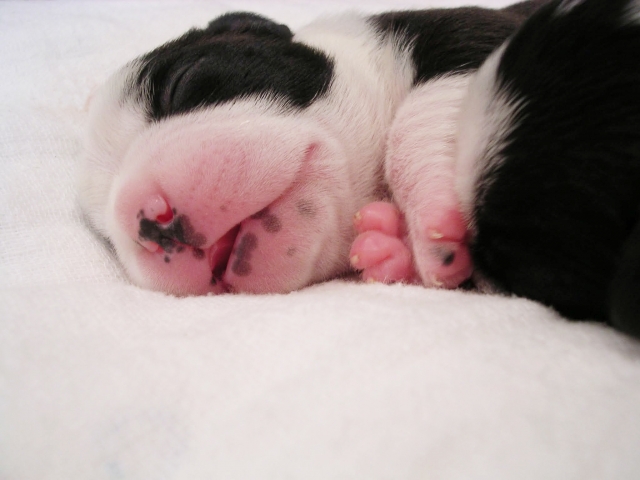
Puppies should eat 3-5 times a day.
Puppies' digestive systems are underdeveloped and they can only eat small amounts at a time, so they need to be fed frequently to ensure they receive adequate nutrition.
Also, puppies are at risk of vomiting stomach acid or developing hypoglycemia due to hunger. Therefore, feed them small meals several times a day to avoid periods of hunger.
Divide meals into about five meals a day until your puppy is 3 months old
Until 3 months old, your puppy is in the weaning stage. Their diet consists of softened dog food.
However, puppies at this age cannot eat a lot of watery food all at once. Watery foods are digested quickly, making them hungry quickly. Therefore, if you do not feed them frequently, they may vomit stomach acid due to hunger, so be careful.
Taking hunger into consideration, until the age of 3 months, feed your puppy equal amounts of solid food approximately five times a day.
Example meal times are as follows:
Example meal times: 8:00 AM, 11:00 AM, 2:00 PM, 5:00 PM, 8:00 PM
However, it's best to decide meal times based on your dog's condition and your lifestyle.
Feeding should be about four meals a day at 4-5 months old
At 4-5 months old, it's time to transition from solid food to dry food.
At this age, puppies' digestive system is gradually developing, and the amount of food they can eat at one time increases. This is a period of rapid growth, so there is little risk of obesity. The key is to feed your puppy the amount of dry food they crave.
Until your baby is six months old, feed them about four meals a day. Examples of feeding times are as follows:
Example feeding times: 8:00 AM, 2:00 PM, 5:00 PM, 8:00 PM
Decide the feeding times based on your baby's feeding habits up to now.
Feeding 2-3 times a day is sufficient for 6 months to 1 year
From 6 months to 1 year, puppies are switched to dry puppy food.
At this age, puppies can eat much more at one time. Therefore, after 6 months of age,
feeding should be 2-3 times a day. This is the same pace as adults. Examples of feeding times are as follows:
Example time slots: 8:00 AM, 2:00 PM, 5:00 PM
Since there will be a long gap between night and morning, adjust the time of your dog's evening meal a little later to avoid excessive hunger.
Two Reasons to Feed Your Puppy More Frequently
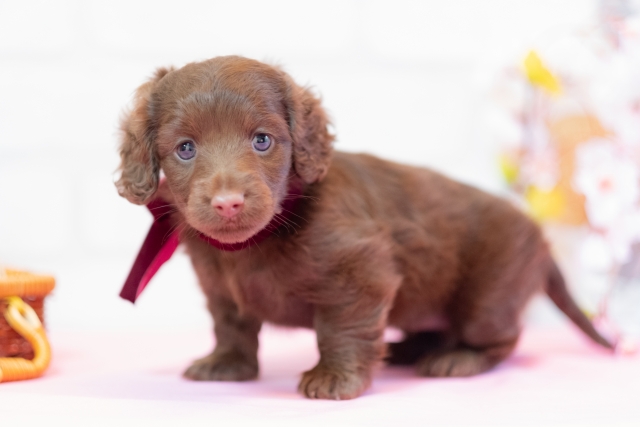
Although it varies by breed, dogs are considered "puppies" until they are about one and a half years old. During this period, they experience rapid growth.
When their digestive system is still underdeveloped, you need to pay careful attention to how you feed them. At the same time, it's also a time when they need to eat to build their bodies, so it's important to feed them enough.
Given these conditions, adjusting the number of meals appropriately is a good way to provide a balanced diet for both your dog and you.
Their digestive organs are not yet fully developed, and their digestive abilities are still weak.
Puppies under six months of age have weak digestive abilities because their digestive organs are not fully developed.
Because their digestive abilities are weak, they naturally eat less at one time. Not only will they not be able to eat a lot, but they may also vomit the food they cannot digest.
Therefore, in order to feed them the necessary amount, it is necessary to feed them more frequently.
They Need to Consume a Lot of Energy During Their Growth Period
During the first year of life, not only do puppies' physiques grow, but all of their organs also grow.
Just like dogs and humans, food intake needs to increase during growth, and it is important to provide them with enough food to grow.
However, because their digestive abilities are still weak, they cannot eat a lot at one meal. Therefore, it is necessary to increase the amount of food they eat by feeding them more frequently.
Three Things to Keep in Mind When Feeding Your Puppy
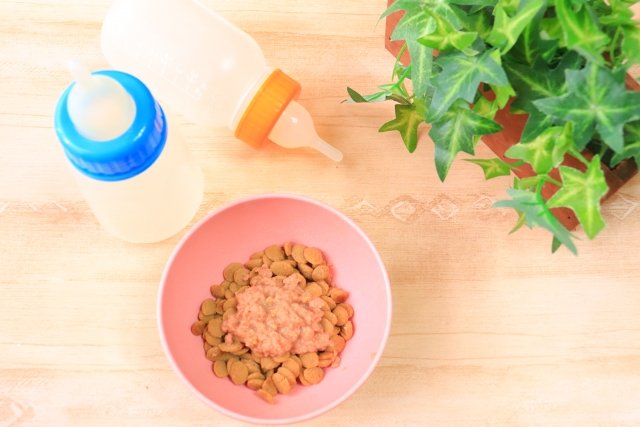
You may be concerned about your dog's health and wonder if he's eating enough and getting enough nutrition. Conversely, you may be concerned that he's eating too much.
Of course, it's not a good idea to overfeed your puppy just because he's growing, or to reduce his food intake too much to prevent him from gaining weight. Here, we'll explain three important points to keep in mind when feeding your puppy to avoid an unbalanced diet.
Don't give treats indiscriminately
Just like humans, puppies need to get their nutrition from food. It's not good for them to miss out on essential meals by eating treats.
It's important not to rely on treats for nutritional support. When giving treats as a treat or reward, it's important to pay attention to the timing and quality.
- Ideal Timing: Feed between meals
Example: If it's between 8:00 AM and 2:00 PM, give a snack at 11:00 AM
- Ideal Snack (Quality): High protein, low calories
Example: Cheese, chicken, etc.
Keep these points in mind when choosing ideal snacks that won't hinder your pet's growth.
Check Your Dog's Stool Condition
You can determine whether your puppy's food intake is appropriate by looking at the condition of his stool.
For example, if your puppy's stool is soft, it may be that his food is not fully digested or is not being digested properly. In such cases, it may be a good idea to reduce the amount of food served at one meal slightly and increase the number of meals to adjust the overall amount.
Also, if your pet has a large amount of stool or frequent bowel movements, it's possible that the total amount of food they're eating is too much. In such cases, it's a good idea to increase the amount of food slightly at each meal and reduce the number of meals to adjust the total amount.
By checking their stool like this, you can adjust the amount of food they're eating depending on their condition.
Feed your dog the amount of food it wants
Puppies are in the midst of their growth period. There's no need to worry about the risk of obesity during this time.
On the other hand, restricting their diet can weaken their immune system and increase their risk of infection. It can also lead to behavioral problems and loss of appetite.
Puppies want food because they need it, so it's important to feed them the amount they want during puppyhood.
Summary
Puppies are still in the growth stage. This is an important time for their bodies and internal organs to develop, so it's important to feed them generously.
That said, the amount they can eat at one time is limited, so you should adjust the overall intake by varying the number of meals: four to five times a day from immediately after birth until six months old, and two to three times a day thereafter.
It's also important to check your dog's stool condition daily and adjust accordingly to determine the optimal amount and frequency of meals. And don't forget to not give them treats indiscriminately, even if they're cute.







![[When to Neuter a Dog] Is it too late for an adult dog? Risks, advantages and disadvantages](https://with-my-dog.com/wp-content/uploads/2022/05/cocker-spaniel-g0d3ad5651_1920-150x150.jpg)








![[Chihuahua] How to choose dog food without making a mistake and 6 recommendations!](https://with-my-dog.com/wp-content/uploads/2022/07/image1-8-300x200.jpg)