
Hello dog lovers! Today, I'll be writing a column about how to store dog food.
Where do you usually store your purchased dog food at home?
- Kitchen
- Storage room
- Entryway
- Special storage container
There are probably many different places♪
Today, I'll be explaining storage locations and appropriate storage methods. Let's start with storage!
Handle wet food with care!
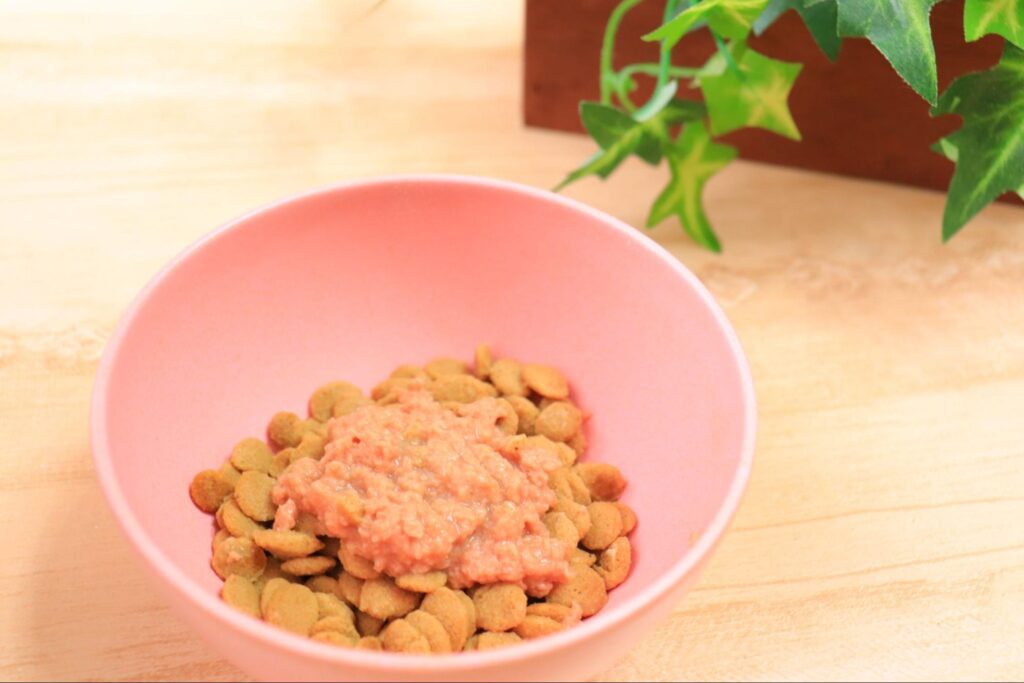
Pet food with a moisture content of 75% or more is called "wet food." After opening, seal the container with plastic wrap or a lid and store it in the refrigerator or a cool place! If the container isn't sealed properly or stored in a warm place, the dog food may spoil and become spoiled, so be careful!
Earth Pet Co., Ltd. also recommends that if you don't finish the wet food after opening it, immediately wrap it tightly in plastic wrap or something similar. Ideally, store it in the refrigerator and eat it within two days. Therefore, it's best to feed it to your pet as soon as possible!
Also, dogs often won't eat pre-prepared wet wipes if they've been stored in the refrigerator or are still cold. Soaking them in 40-50°C water makes them easier for your dog to eat and increases their appetite!
It's a good idea to carefully consider storage and processing methods when handling dry food.♪
Seal dry food! Dehumidify!

Dry food, as the name suggests, has a low moisture content of 10% or less, making it easier to store than wet food. However, depending on the storage method, dry food can quickly spoil, so be careful!
As the title suggests, airtight storage allows for long-term storage, but if left uneaten for too long, insects such as cigarette beetles, Indian meal moths, and bookworms can infest dog food. These pests are more likely to appear in hot, humid places, so be especially careful during the rainy season!
Also, unlike wet food, dry food can easily become moldy due to condensation, which is a characteristic of its low price. Avoid storing it in the refrigerator whenever possible!
According to Earth Pet Co., Ltd., the Act on Ensuring the Safety of Pet Food (Pet Food Safety Act) requires that expiration dates be displayed on pet food and treats.
The expiration date refers to the "date by which it is deemed possible to sufficiently maintain all expected quality when stored in the manner specified for each product." The Pet Food Safety Act requires that expiration dates be set based on scientific and rational evidence.
Since this is the "date by which nutritional value and flavor can be guaranteed," be sure to consume the product within that date. As you can see, it's best to eat dog food within the expiration date. ♪
Make sure to eat the dog food you buy within the expiration date. ♪ Next, let's take a look at some important storage container tips!
Points for storage containers
So! What containers do you use to store dog food?
- Tupperware
- Just in the bag
- Specialized container
- Homemade container
I'm sure everyone uses different containers to store their dog food.
Today, let's learn about storage containers so you can feed your dog with peace of mind. ♪
1. Use airtight containers for dry food!
As mentioned earlier, dry food can be stored at room temperature for up to one month after opening. However, moisture and direct sunlight are crucial to maintaining quality!
Seal the container to prevent air contact and store it in a cool, well-ventilated place. ♪
When storing dry food, use a container with a tight-fitting lid!
It may be a good idea to choose a container with a lid that has a gasket or a locking mechanism such as a buckle. Apparently, there are containers that can release air through the air holes in the container and preserve food like a vacuum pack!
2. Choose wet food that can be divided into small portions
Wet food in cans or retort pouches should ideally be consumed within the day of opening. Therefore, if your dog eats small amounts, use a storage container that allows for small portions and aim to consume it within two days at most. In addition, choose a container with a tight seal, store it in the refrigerator, and consume it as soon as possible!
3. Check the airtightness
The most important thing about dog food storage containers is their airtightness, which is crucial for keeping them out of the outside world. Airtightness is essential to prevent insects and moisture from getting in and maintain the quality of your dog food! Use storage containers with tight-fitting lids!
It may be a good idea to choose containers with lids that have gaskets or locking mechanisms such as buckles. You can also purchase containers that can release air through holes in the container, preserving the food like a vacuum pack. ♪
4. Pay Attention to the Capacity of the Container
Even if you buy a large container, there will be a lot of empty space, and the high air content could cause the fried dog food to deteriorate. It's best to choose a storage container with just the right capacity to fit the dog food you've purchased, without too much or too little!
5. Check for Ease of Access and Cleaning
Taking out dog food is a daily occurrence.
Try to avoid containers that are difficult to access even with a lid, or that may result in your dog eating too much! It's best to choose a container with a large opening that makes access easy, or a container with a dedicated portion size. ♪ Also, make sure it's easy to clean before purchasing!
Containers with a flat, even surface are less likely to get clogged with dog food crumbs, drain water well, dry quickly, and are far less likely to attract insects or cause mold!
Make sure you keep these 5 points in mind when purchasing dog food containers!