
For small dogs, "what they eat" is a crucial factor that greatly affects their healthy lifespan. However, with so many types of dog food available, many owners are unsure which food is truly right for their dog. This article carefully selects and introduces recommended dog foods for small breeds as of 2026, along with their features and key points for choosing the right food. This information will be helpful in finding the "best food" that suits your dog's constitution and life stage.
How to Choose Food for Small Dogs
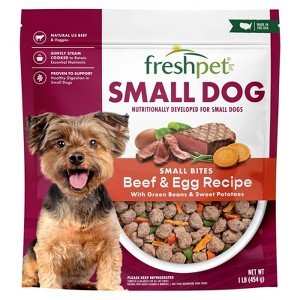
Choosing the best dog food for small dogs starts with understanding size-related needs. Small breeds burn energy quickly and often need calorie‑dense, nutrient‑rich food in small portions. Food for toy and small dogs should have smaller kibble, highly digestible protein, and balanced fat to support an active lifestyle without causing weight gain. Owners are encouraged to select products that meet AAFCO standards, use clear meat-based ingredients, and suit the dog’s age, activity level, and any health issues such as sensitive stomach or allergies.
Unique nutrition needs of small breeds
Small dogs use more energy per kilogram than large dogs, so energy‑dense, highly digestible food is important. They need more calories per kg, but in smaller portions that fit tiny stomachs. Kibble size also matters; small, flat pieces are easier to chew and help reduce choking risk.
Protein and fat should be slightly higher to support active, lean muscles. At the same time, many small breeds live longer, so balanced minerals and antioxidants help protect joints, heart, and teeth over a long lifespan.
Key factors before you buy
Before choosing the best dog food for small dogs, focus on a few core checks. First, size‑appropriate kibble or texture makes chewing and digestion easier for tiny mouths. Second, confirm the food is complete and balanced for your dog’s life stage (puppy, adult, senior) according to AAFCO or FEDIAF standards. Third, look for named animal proteins (chicken, salmon, turkey) as main ingredients and moderate fat with controlled calories to help prevent weight gain. Finally, consider any special needs such as sensitive stomach, allergies, or dental issues, and choose a formula designed for those conditions.
Common nutrition risks to avoid
Small dogs are prone to several nutrition pitfalls. The most common are overfeeding and obesity, which strain joints and the heart. Very low‑quality foods with fillers can lead to poor coat, low energy, and digestive upset. Tiny breeds are also vulnerable to low blood sugar if meals are skipped or calories are too low. Excessive fat, salt, or rich treats may trigger pancreatitis. Sudden food changes can cause diarrhea, so gradual transitions are safest.
Understanding Dog Food Labels
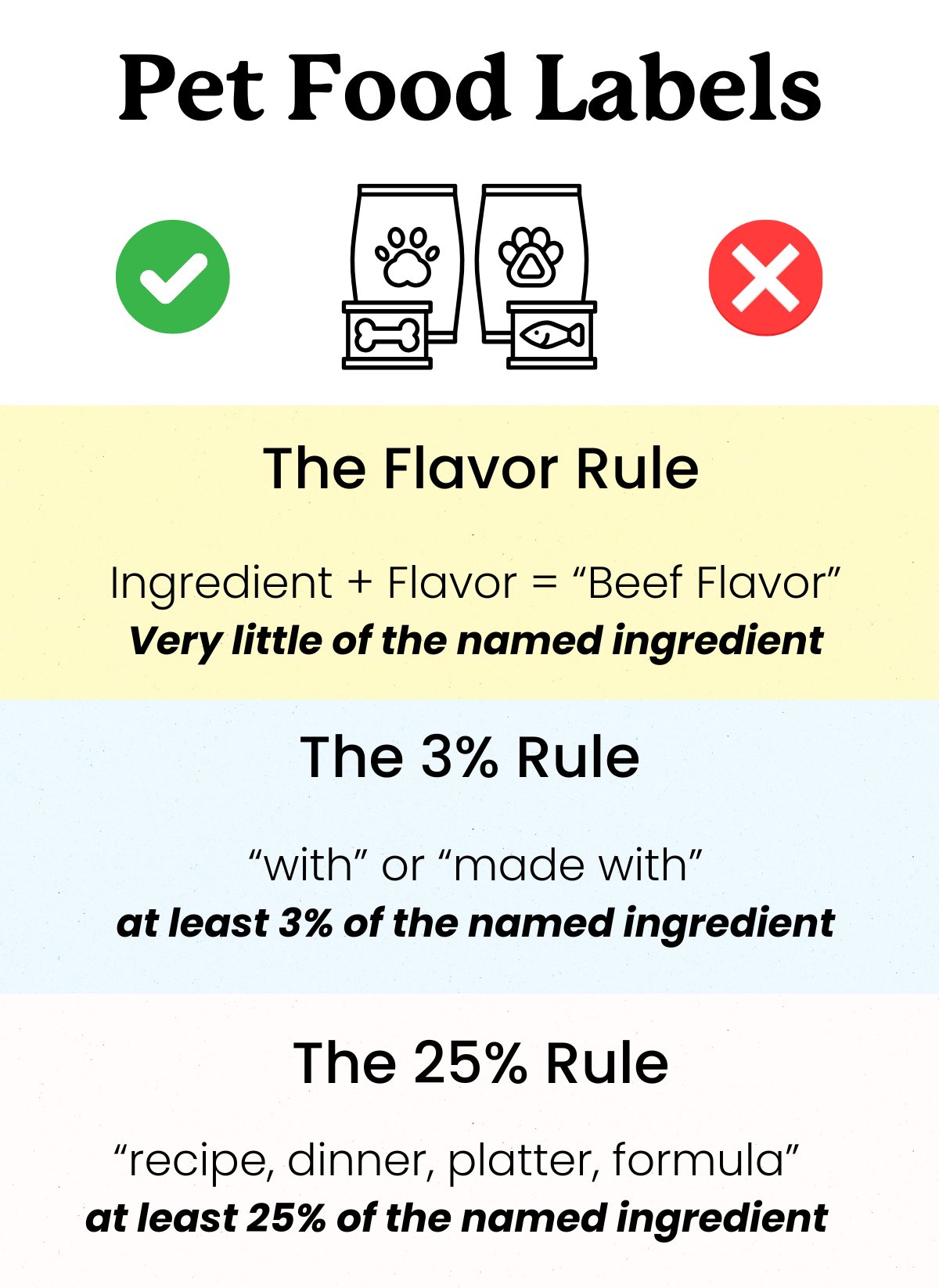
Dog food labels can feel technical, but they provide essential clues for choosing the best dog food for small dogs. By learning a few key terms, owners can quickly judge quality and suitability. Important points include: whether the food is labeled “complete and balanced,” the specific life stage (puppy, adult, senior), and the presence of a nutritional adequacy statement from AAFCO or FEDIAF. Clear labels help owners compare recipes, avoid unnecessary fillers, and pick food that truly matches a small dog’s age, size, and activity level.
Decoding the ingredient list
Ingredients are listed in order of weight before cooking, so the first few items show where most nutrition comes from. For small dogs, a named animal protein such as “chicken,” “salmon,” or “turkey” as the first ingredient is ideal. Avoid vague terms like “meat” or “animal by‑product” without species names.
Grains, vegetables, and fruits can provide energy and fiber, but should not crowd out protein. Look for limited, recognizable ingredients if a dog has a sensitive stomach. Artificial colors, excess sweeteners, and many unnamed by‑products are generally unnecessary and may be best avoided for long‑term health.
Guaranteed analysis and calories
Guaranteed analysis is the small box on the label that lists minimum protein and fat, plus maximum fiber and moisture. For small dogs, protein around 22–30% and moderate fat usually support healthy muscles and steady energy. Calories (kcal ME per cup or can) show how energy‑dense the food is. Small‑breed formulas are often higher in calories, so even a small extra scoop can lead to weight gain. Always compare both the analysis and kcal with your dog’s age, activity level, and weight goals.
Red flags on small dog food labels
Small dog food labels can look impressive while hiding problems. Watch for vague proteins like “meat meal,” “animal by‑product,” or “poultry by‑product” with no species named. Avoid foods where corn, wheat, or soy dominate the first ingredients instead of real meat. Artificial colors, propylene glycol, and excessive unnamed “flavor” are also warning signs. Be cautious with very low calorie foods for tiny, active dogs, and with claims such as “premium” or “gourmet” that are not backed by AAFCO statements or feeding trials.
Types of Food for Small Dogs
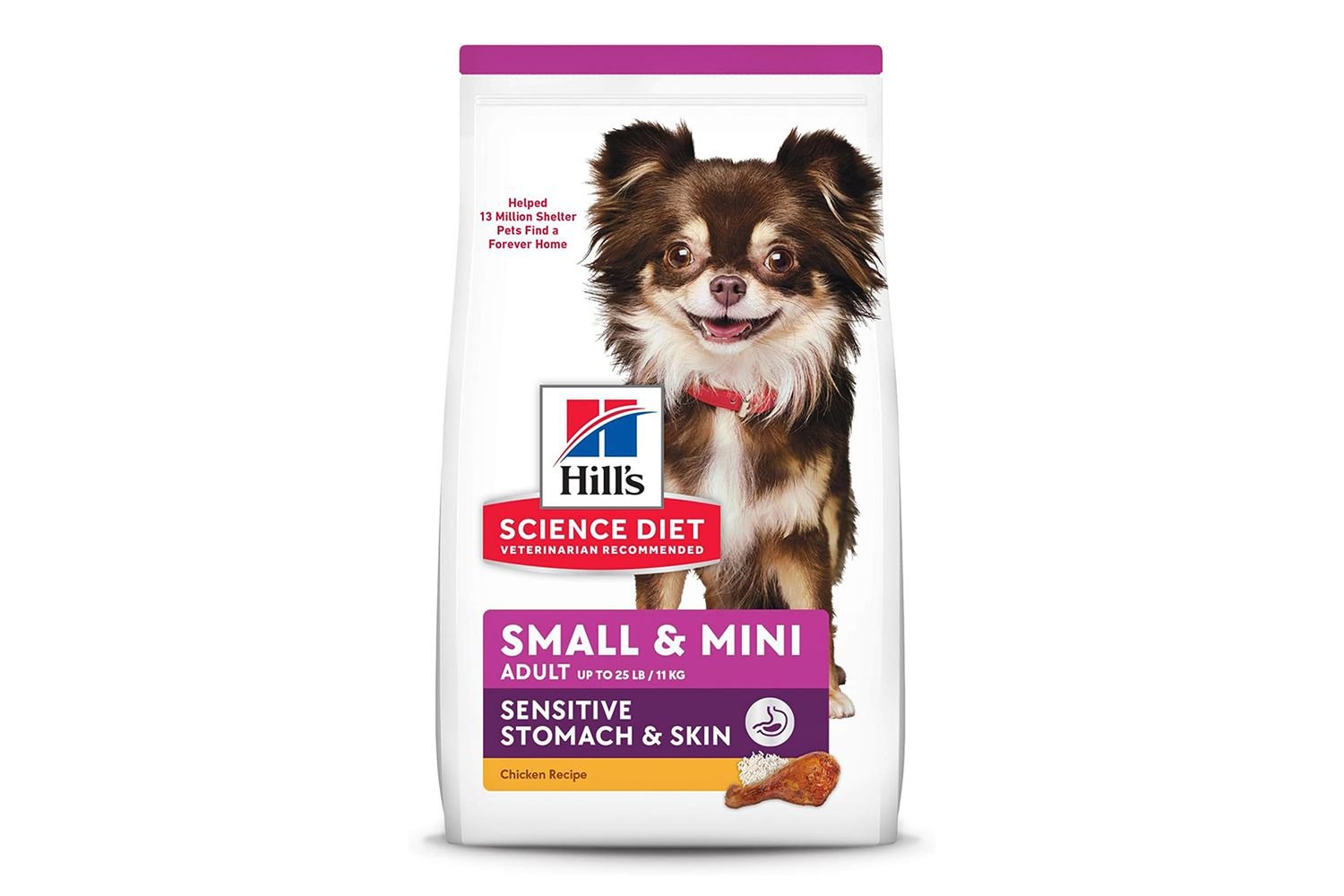
Small dogs can eat many formats of food, but each type has pros and cons. The main categories are dry kibble, wet food, fresh or lightly cooked food, and specialized diets such as grain‑free, limited‑ingredient, or prescription formulas. Small‑breed recipes often have smaller kibble size, higher calorie density, and tailored mineral balance. Owners can choose one type or a safe combination, focusing on complete and balanced formulas suitable for the dog’s age, health, and chewing ability.
Dry kibble for small breeds
Dry kibble is the most common small‑dog diet because it is convenient, stores well, and helps mechanically clean teeth as dogs chew. For small breeds, choose kibble labeled for small dogs or toy breeds, as the pieces are smaller and easier to bite.
Key points when choosing dry food for small dogs:
- Kibble size and shape: tiny, uniform pieces reduce choking risk and encourage chewing
- Energy density: many small dogs need slightly higher calories per cup to match their fast metabolism
- High‑quality animal protein as the first ingredient supports lean muscle
- Digestibility: avoid formulas overloaded with fillers that can cause gas or soft stools
Dry kibble can work very well for healthy small dogs, but fresh water must always be available because kibble contains little moisture. Owners of dogs with dental disease or missing teeth may need to soften kibble with warm water or combine it with wet or fresh food.
Wet and fresh food options
Wet and fresh foods often appeal to small dogs with big opinions about taste. Moist textures and stronger aromas can tempt picky eaters and support hydration. Fresh or gently cooked recipes may also be easier to digest and closer to a “home‑cooked” style.
However, owners must consider storage and safety. Most wet and fresh foods need refrigeration, have shorter shelf lives, and must be discarded quickly after serving. Always follow handling instructions carefully and introduce new textures gradually to avoid stomach upset.
Special diets and sensitivities
Small dogs often react strongly to ingredients and nutrient imbalances. For allergies or intolerances, simple recipes with limited ingredients and a single animal protein are helpful. Common triggers include chicken, beef, dairy, wheat, and soy. For sensitive stomachs, easily digestible proteins, moderate fat, and added prebiotics or probiotics support gut health.
Special diets may be needed for pancreatitis, kidney disease, bladder stones, or diabetes. In such cases, veterinary‑formulated foods with controlled fat, minerals, or carbohydrates are safest. Avoid self‑formulating medical diets without professional guidance, and introduce any new food gradually over 7–10 days to reduce digestive upset.
Best Food for Small Breed Puppies
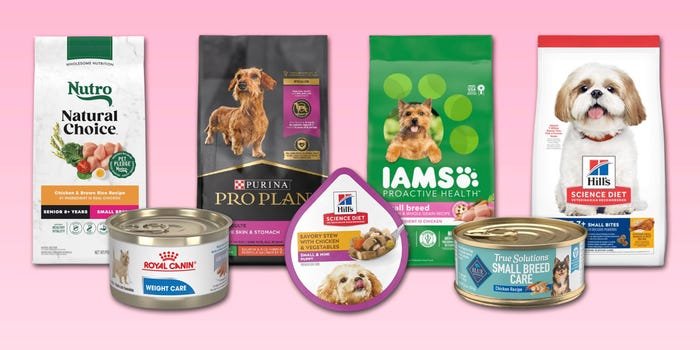
Small-breed puppies need food designed for fast growth, tiny mouths, and delicate digestion. Choosing a formula labeled for “small breed puppies” and “growth” or “all life stages” is especially important. Kibble should be small and easy to chew, with higher calories per gram so puppies can get enough energy from modest portions. A good recipe focuses on quality animal protein, balanced calcium and phosphorus for bones, controlled fat, and added DHA for brain and eye development. Gentle, highly digestible ingredients also help reduce soft stools and tummy upsets in young dogs.
What small puppies need to thrive
Small-breed puppies grow fast and burn energy quickly, so high-quality nutrition in small portions is essential. They need energy-dense food with more calories per gram, plenty of animal protein for muscle and organ development, and balanced fat for brain and skin health. A complete and balanced formula for “growth” or “all life stages” is important, ideally with DHA for brain and eye development, controlled calcium and phosphorus for safe bone growth, and kibble sized for tiny mouths to reduce choking risk and support healthy chewing.
Top puppy pick 1
A strong first option for many small‑breed puppies is a high‑protein, small‑kibble chicken and rice formula designed specifically for toy and small dogs. Look for a product labeled for "small breed puppies" with real chicken as the first ingredient, digestible grains such as rice or oatmeal, and added DHA for brain and eye development. Small, crunchy kibble supports jaw size and helps keep teeth clean, while a higher calorie density allows puppies to meet energy needs without large meal volumes.
Top puppy pick 2
A strong second option for small-breed puppies is a high‑protein, grain‑inclusive recipe made with fresh chicken or turkey as the first ingredient. Small puppies benefit from tiny, easy‑to‑chew kibble, DHA for brain and eye development, and balanced calcium and phosphorus for controlled bone growth. Look for an AAFCO‑approved "puppy" or "all life stages" formula, around 380–430 kcal per cup, with added omega‑3 and omega‑6 fatty acids to support skin, coat, and immune health.
Best Food for Small Adult Dogs
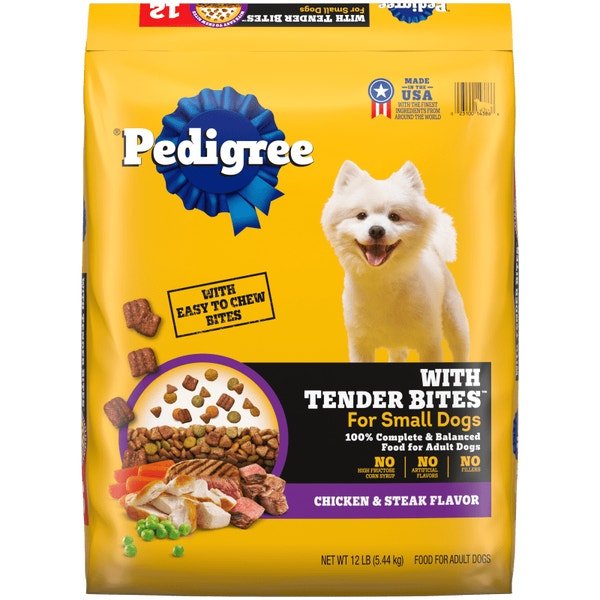
Adult small dogs need balanced daily nutrition that maintains ideal weight, supports energy, and protects long‑term health. Once growth ends, the focus shifts from rapid development to maintenance: stable calories, high‑quality protein, and controlled fat. Owners should also pay attention to joint health, digestion, and oral care. Choosing the best food means looking for complete and balanced formulas designed for small breeds, with kibble size, calorie density, and ingredient quality all tailored to compact bodies and fast metabolisms.
Nutrition goals for adult small dogs
Adult small dogs need balanced energy, high‑quality protein, and portion control to stay healthy. Because of a fast metabolism, many small breeds do well with slightly higher calorie density and more frequent meals, but excessive calories quickly lead to weight gain. Aim for named animal proteins as the main ingredient, moderate fat, and controlled carbohydrates. Small, crunchy kibble or soft bites help oral health and are easier to chew. Consistent feeding, fresh water, and limited treats support steady weight and long‑term vitality.
Top adult pick 1
A strong all‑round choice for many adult small dogs is a high‑protein, small‑breed kibble with real meat as the first ingredient, such as a “chicken & brown rice small breed” formula. Look for around 25–30% protein and 15–18% fat, plus added omega‑3s for skin and coat health. Small, crunchy kibble pieces help reduce tartar and are easier to chew for toy jaws. AAFCO “adult maintenance” approval and clear feeding guidelines are essential for safe daily use.
Top adult pick 2
A strong second option for adult small dogs is Blue Buffalo Life Protection Small Breed Adult Chicken & Brown Rice. The recipe uses deboned chicken as the first ingredient for high-quality animal protein, with brown rice and oatmeal for steady energy. Kibble pieces are sized for small jaws and include added glucosamine for joint support, plus omega‑3 and omega‑6 for skin and coat health. Many owners value the absence of poultry by‑product meals, artificial colors, and preservatives.
Top adult pick 3
A strong third choice for adult small dogs is Purina Pro Plan Small Breed Shredded Blend Chicken & Rice. The recipe combines crunchy kibble with tender pieces, which often appeals to picky toy and small breeds. It is formulated for high energy needs, with adequate protein and fat to support lean muscles and an active lifestyle. The kibble size suits small mouths, and added probiotics help support healthy digestion for sensitive stomachs.
Best Food for Senior Small Dogs
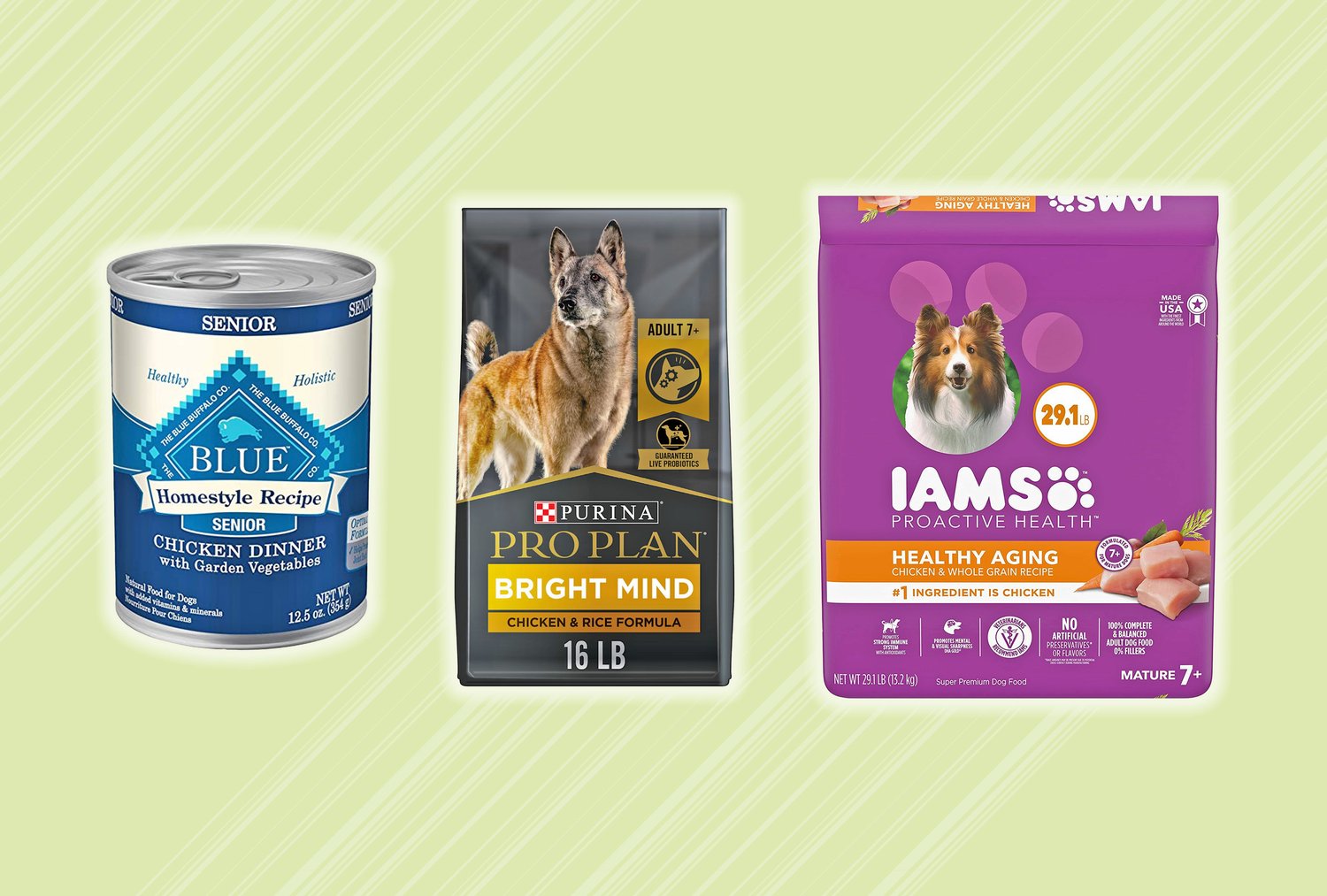
Senior small dogs often need fewer calories but more targeted nutrients. Ideal senior formulas support joint health, digestion, and heart function while staying easy to chew.
Key points for the best dog food for small senior dogs:
- Moderate calories to prevent weight gain
- High‑quality animal protein to maintain muscle
- Added omega‑3s (EPA/DHA) for joints and brain
- Glucosamine and chondroitin for mobility support
- Highly digestible ingredients and gentle fiber for the gut
- Small, softer kibble or wet food for aging teeth
Choosing food formulated specifically for small senior breeds helps match their slower metabolism and longer lifespans.
Feeding older small breeds safely
Older small dogs often have slower digestion, weaker teeth, and higher risk of kidney or heart disease, so feeding requires extra care. Choose senior formulas for small breeds with controlled calories, high‑quality protein, and added joint and brain support (omega‑3, glucosamine, antioxidants). Kibble size should be easy to chew; wet or softened food helps dogs with dental issues. Always change foods gradually over 7–10 days to avoid stomach upset, and monitor weight, stool quality, and energy. For dogs with chronic illness, follow a veterinarian‑designed diet rather than general senior food.
Top senior pick 1
A strong first choice for many senior small dogs is Wellness Complete Health Small Breed Senior (dry). It offers moderate calories, higher-quality protein, and added glucosamine and chondroitin to support aging joints. Small, crunchy kibbles help manage tartar, while added omega‑3s, antioxidants, and fiber support skin, immune health, and digestion. For many older toy and small breeds, it suits everyday use unless a special veterinary diet is required.
Top senior pick 2
For a second excellent senior option, many owners choose a limited‑ingredient, small‑breed senior formula. A typical example is a kibble using a single animal protein (such as turkey or salmon), brown rice or oats, and added joint-support nutrients like glucosamine and chondroitin. Small, easy‑to‑chew kibble pieces help dogs with dental wear, while moderate calories and higher fiber support weight control and regular digestion. Such recipes suit seniors with mild sensitivities, early kidney concerns, or reduced activity, as long as any special medical needs are confirmed with a veterinarian.
Best Dog Food for Small Dogs Overall
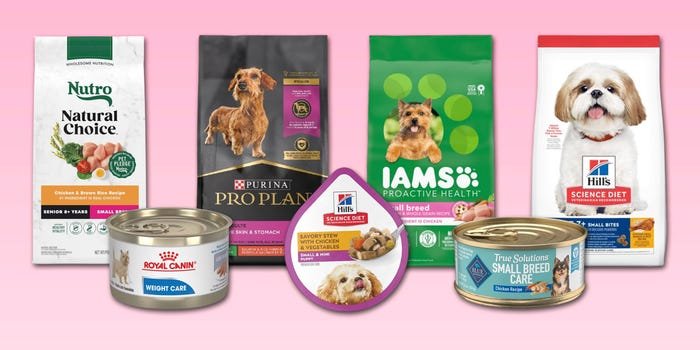
For readers comparing many formulas, a short overall guide is helpful. The best dog food for small dogs usually offers: highly digestible animal protein, slightly higher calories per cup for energetic toy breeds, and small, easy‑to‑chew kibble or soft textures. AAFCO-complete recipes tailored to small breeds, with clear labeling and no artificial colors or unnamed meat by‑products, are generally safer long‑term choices. Always match any “best overall” pick to the dog’s life stage, weight, and health history before switching.
Editor’s all‑round top choice
For an all‑round choice, many nutrition experts recommend a small‑breed kibble with high animal protein, moderate fat, and controlled calories. An ideal example is a formula that:
- Lists named meat (e.g., chicken, salmon) as the first ingredient
- Is AAFCO‑approved for the appropriate life stage
- Has a small, easy‑to‑chew kibble size
- Contains omega‑3 and omega‑6 for skin, coat, and joint support
- Avoids excessive fillers and artificial colors
Such a recipe suits most healthy small dogs, making daily feeding simpler while still supporting energy, digestion, and weight control. Always introduce any new "all‑round" food gradually over 7–10 days to reduce stomach upset.
Best budget-friendly option
For owners watching their budget, Purina Pro Plan Small Breed Adult Shredded Blend Chicken & Rice is a strong value choice. The recipe offers high protein from named meat, small kibble size, and added probiotics for digestion, yet usually costs less per meal than many premium brands. Buying larger bags, using store subscriptions, and watching for sales can further reduce the price while maintaining complete and balanced nutrition for small dogs.
Best for sensitive stomachs
For small dogs with sensitive stomachs, a limited‑ingredient, highly digestible recipe is usually safest. A strong all‑round option is a small‑breed kibble with a single animal protein (such as salmon or turkey), grain‑free or with gentle grains like oatmeal, and no artificial colors or flavors. Look for added prebiotics and probiotics, moderate fat, and slightly higher fiber to support stool quality. Introduce any new food very gradually over 7–10 days to reduce the risk of diarrhea, gas, or vomiting, and consult a veterinarian if symptoms persist.
How Much to Feed a Small Dog
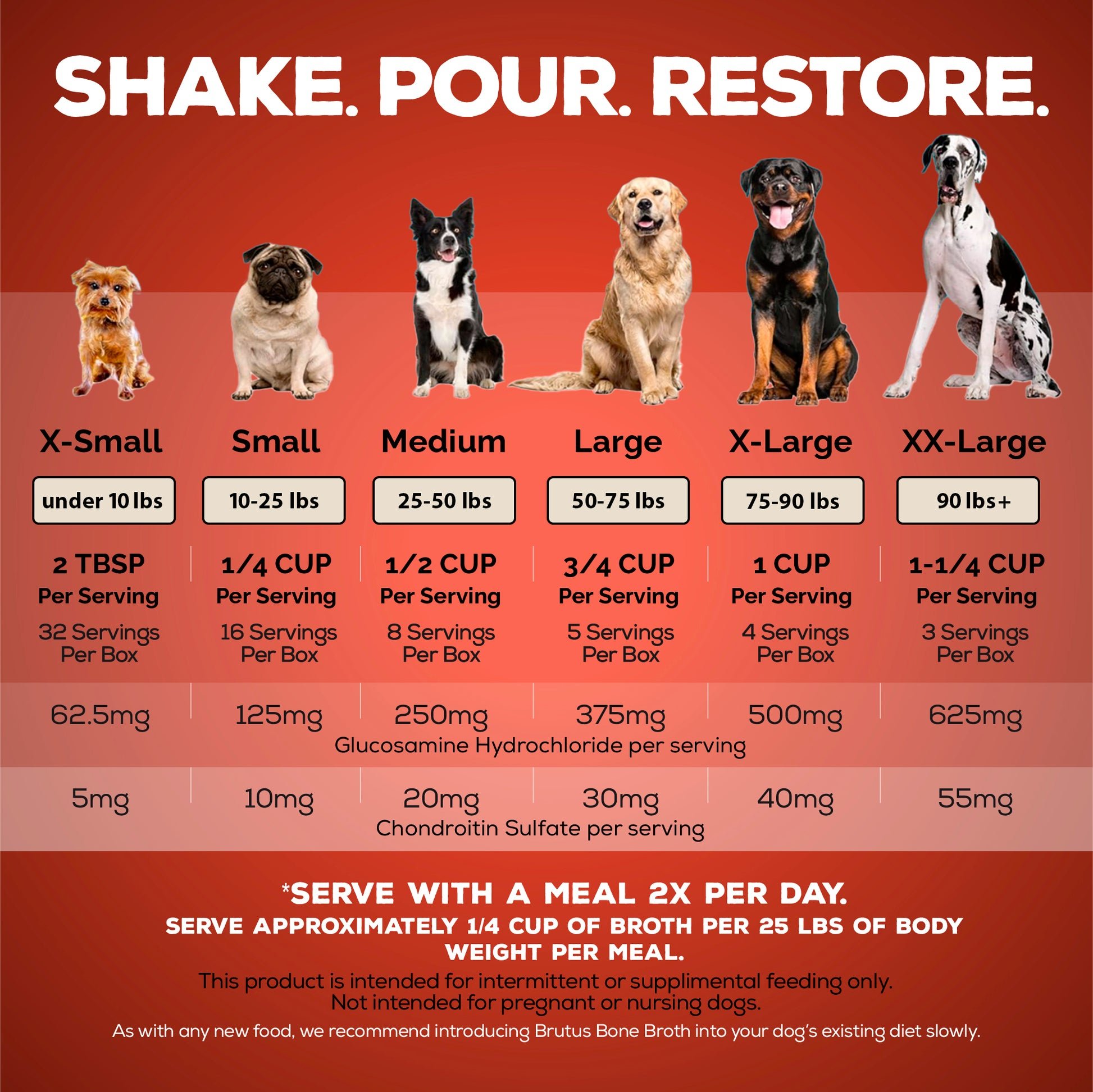
Feeding amount is just as important as food quality for small dogs. Tiny bodies burn energy quickly, but stomach capacity is limited, so overfeeding or underfeeding happens easily. Start with the brand’s feeding guide based on ideal weight and life stage, not current weight alone. Then watch body shape, ribs, and energy level to fine‑tune portions.
Small breeds usually do best with meals split into 2–3 feedings a day (puppies may need more). Regular schedules help prevent low blood sugar and begging between meals. Adjust portions slowly over 1–2 weeks whenever weight, activity level, or health changes, and consult a veterinarian if weight shifts suddenly or is hard to control.
Portion sizes by weight and age
Proper portions depend mainly on weight, age, and activity level. As a rough guide for healthy small dogs eating a complete commercial food:
| Dog size / life stage | Daily amount* |
|---|---|
| Toy (2–4 lb / 1–2 kg) | 1/4–1/2 cup |
| Small (5–10 lb / 2–4.5 kg) | 1/2–3/4 cup |
| Small (11–20 lb / 5–9 kg) | 3/4–1 1/4 cups |
| Small-breed puppy | 2–3× adult amount |
| Senior, less active | 10–20% less than adult |
Total per day, split into 2–4 meals. Start with the brand’s feeding chart, then adjust every 1–2 weeks based on body condition, not the bowl*: ribs should be easy to feel but not visible, and the waist should be slightly tucked.
Feeding schedules for small breeds
Small dogs often do better with more frequent, smaller meals, because they burn energy quickly and have tiny stomachs. As a guideline, puppies usually need 3–4 meals per day, young adults 2–3 meals, and healthy seniors 2 meals. Keep feeding times consistent morning and evening to support digestion and reduce begging. For toy breeds prone to low blood sugar, veterinarians may recommend an extra small snack between meals.
| Life stage / type | Typical schedule |
|---|---|
| Puppy (under 6 months) | 3–4 small meals per day |
| Adult small dog | 2–3 meals per day |
| Senior small dog | 2 smaller, predictable meals |
| Toy breed at risk of hypoglycemia | 3 meals + 1 snack (vet-guided) |
When and how to adjust portions
Small dogs often need portion changes as age, activity, and health shift. As a guide, adjust amounts when:
- Weight changes by more than 5–10%
- Ribs feel hard to find or very sharp
- Activity level increases or decreases
- A new food or many treats are added
Increase food in small steps (about 5–10%) and keep the new amount for 1–2 weeks before changing again. Monitor body shape, energy, stool quality, and appetite. If weight changes quickly, or if vomiting, diarrhea, or lethargy appear, consult a veterinarian before further adjustments.
Weight, Obesity, and Tiny Tummies
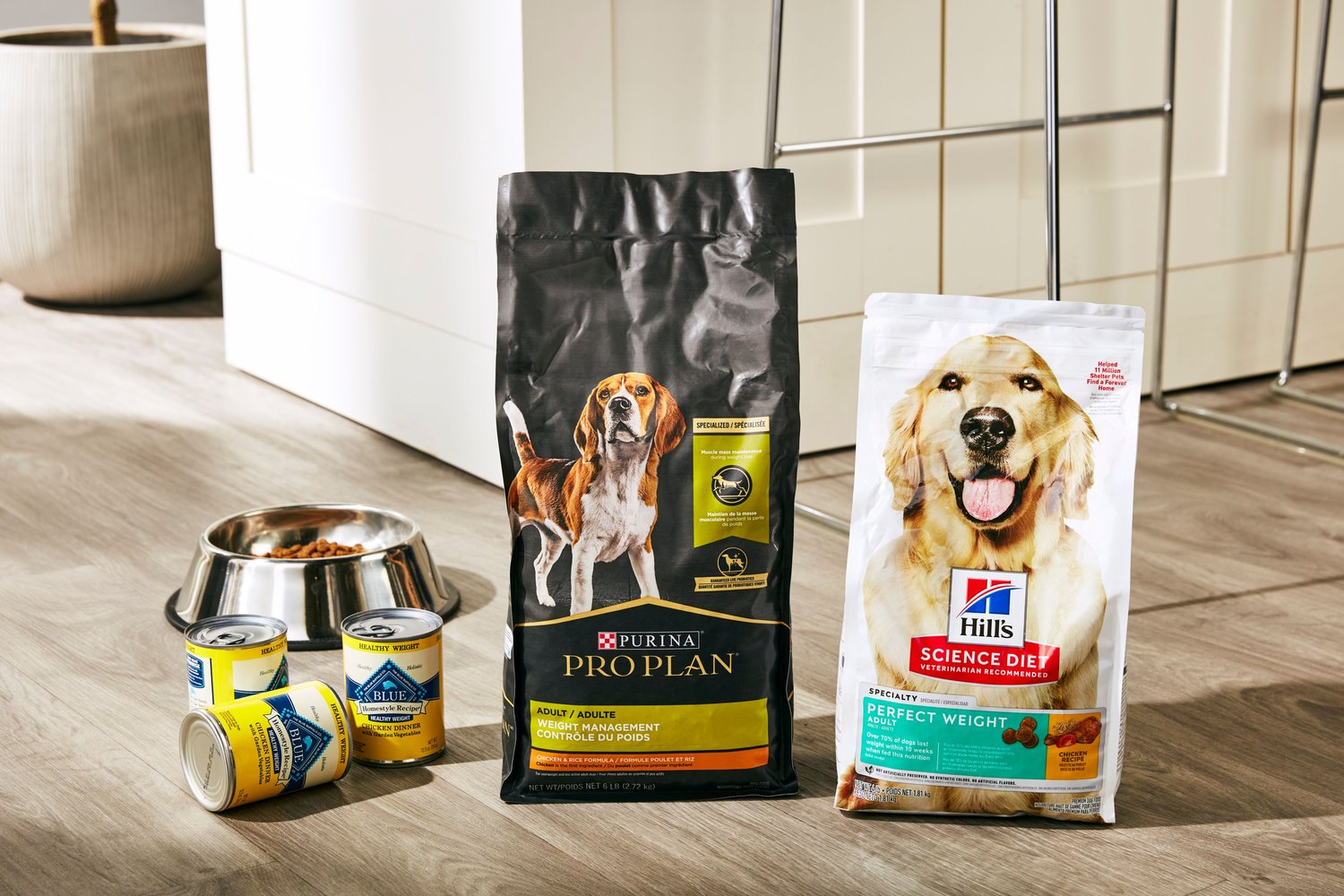
Small dogs gain or lose weight quickly because of their tiny calorie budgets. Even a few extra treats can lead to obesity, while skipping meals may cause low blood sugar. Owners should aim for a body condition where ribs are easy to feel under a thin fat layer and the waist is visible from above. Regular weighing, consistent portions, and limited high‑calorie snacks are essential. If weight changes suddenly, consultation with a veterinarian is strongly recommended.
Spotting underweight and overweight
Small dogs hide weight changes easily under fur, so owners need clear checks. Use a body condition score (BCS) from your vet as a guide. At home, look from above and from the side while the dog stands.
| Condition | Key signs |
|---|---|
| Underweight | Ribs and spine sharply visible, clear waist, low energy, dull coat |
| Ideal weight | Ribs easy to feel, slight waist from above, belly tucked from the side |
| Overweight | Hard-to-feel ribs, little waist, softer fat pads over ribs or tail base |
| Obese | No waist, rounded belly, heavy panting, reluctance to exercise |
Any sudden gain or loss, or changes in appetite or energy, should prompt a vet check.
Preventing obesity in small dogs
Small breeds gain weight easily because of tiny bodies and strong appetites. Preventing obesity starts with accurate daily calories based on ideal weight, not current weight. Use a measuring cup, avoid free‑feeding, and rely on low‑calorie treats (or kibble from the daily ration).
Daily walks, short play sessions, and food puzzles help burn energy. Regularly check body condition score and adjust portions at the first sign of extra padding, then consult a vet if weight does not improve.
Safety, Recalls, and Food Quality
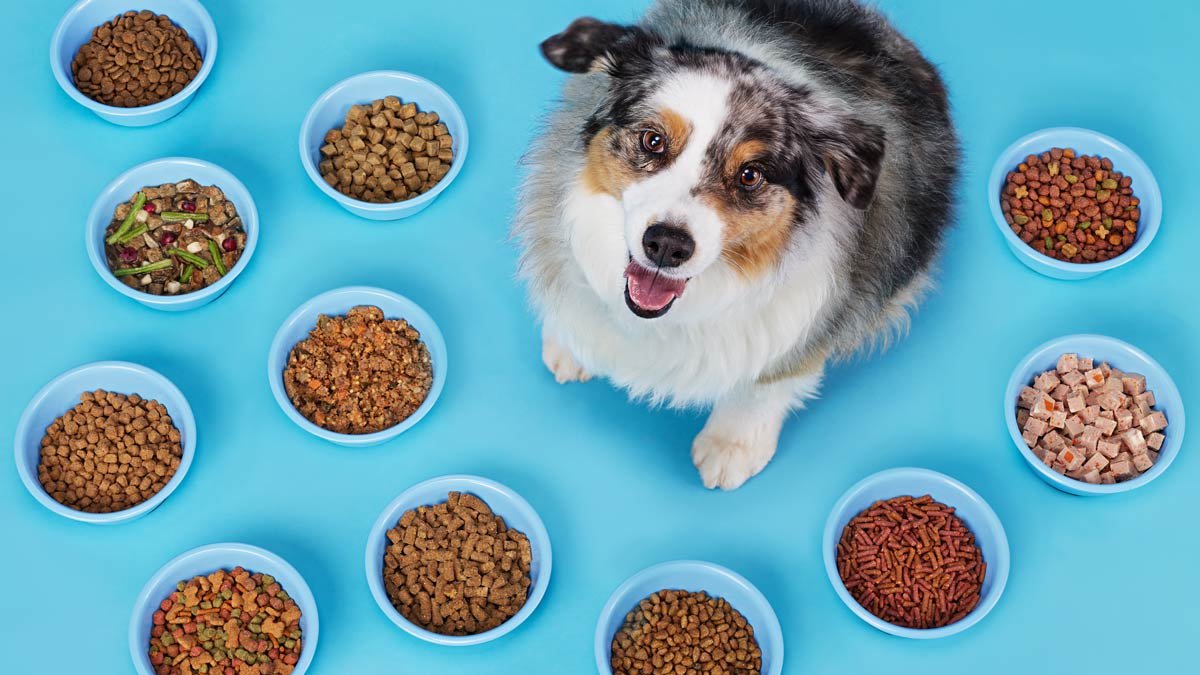
Food safety is especially important for small dogs because even a minor contamination can affect a much larger share of their body weight. Owners are advised to choose brands with transparent sourcing, clear manufacturing information, and regular quality testing. Look for AAFCO-compliant formulas and companies that share batch numbers and plant locations. Store kibble in a clean, airtight container, seal wet food, and discard anything past its use‑by date or with a strange smell or appearance.
Checking brands and recall history
Choosing a brand with strong safety standards is essential for small dogs. Look for companies that publicly share their manufacturing locations, quality-control testing, and nutritional experts. Brands that own their facilities and test for contaminants offer extra reassurance.
Before buying, search the brand name plus “recall” on the FDA site or trusted pet-food resources. Frequent or recent recalls, especially for serious contamination, are a warning sign. In such cases, selecting a brand with a cleaner recall history is safer for a small dog’s health.
When to change your dog’s food
Changing food is important when a small dog’s health or safety may be at risk. Always change food gradually over 7–10 days unless a veterinarian instructs otherwise.
Typical timing and reasons include:
- Health signs: persistent soft stool, vomiting after meals, new itching, ear infections, or dull coat after starting a recipe
- Life stage change: puppy to adult, or adult to senior (usually around 7–8 years for small breeds)
- Weight issues: steady weight gain or loss despite accurate portions
- Safety concerns: brand recalls, repeated quality issues, or off smells/appearance of kibble
- New diagnosis: allergies, kidney, liver, or heart disease that requires a therapeutic diet under veterinary guidance.
If any sudden severe symptoms occur (bloody diarrhea, repeated vomiting, collapse, extreme lethargy), seek urgent veterinary care before adjusting food at home.
Cost and Budget Tips for Small Dog Food
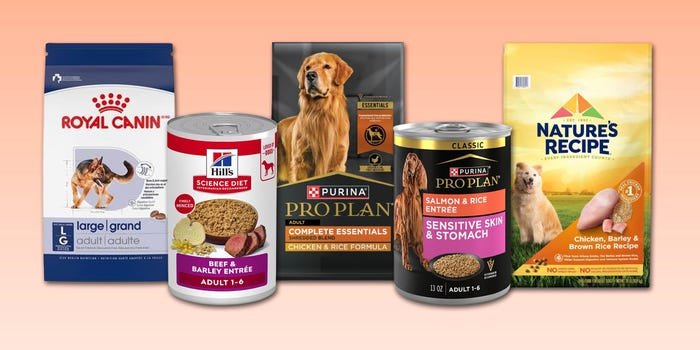
Small-breed dog food can feel expensive, but owners can control costs with a plan. First, decide a monthly budget based on your dog’s size and health needs, then compare foods by cost per day, not per bag or can. Small dogs often eat less, so a higher‑quality food may be affordable over time. Buying in bulk, using autoship discounts, and storing kibble airtight helps save money. However, avoid cutting costs by choosing poor-quality foods or unsafe home-made diets, because health problems later can be far more expensive.
Balancing quality and price
High-quality food for small dogs does not always mean the highest price. The key is to focus on essential value points: clear animal protein as the first ingredient, an AAFCO nutritional adequacy statement, and an appropriate calorie level for small breeds. Avoid paying extra for vague marketing claims or unnecessary additives. Buying slightly better food often reduces vet costs over time, so the true cost includes both the bag price and the impact on long‑term health.
Saving money without cutting corners
Small-breed dog food can feel expensive, but thoughtful planning helps control costs without lowering quality. Prioritizing nutrition over fancy marketing is the key to saving money.
| Money-Saving Tip | How to Do It |
|---|---|
| Buy larger bags | Only buy an amount your dog can finish before the expiration date |
| Use subscriptions | Take advantage of subscription discounts from trusted brands |
| Review treats | Cut back on expensive treats and adjust the amount of main food appropriately |
| Use toppings | Add small amounts of boiled vegetables or chicken breast to high-quality food |
Be careful with food that is too cheap, as it may carry risks such as low-quality ingredients or excessive additives. Choosing based on more than just “low price” can also help reduce medical costs in the long run.
When to Ask Your Vet About Food
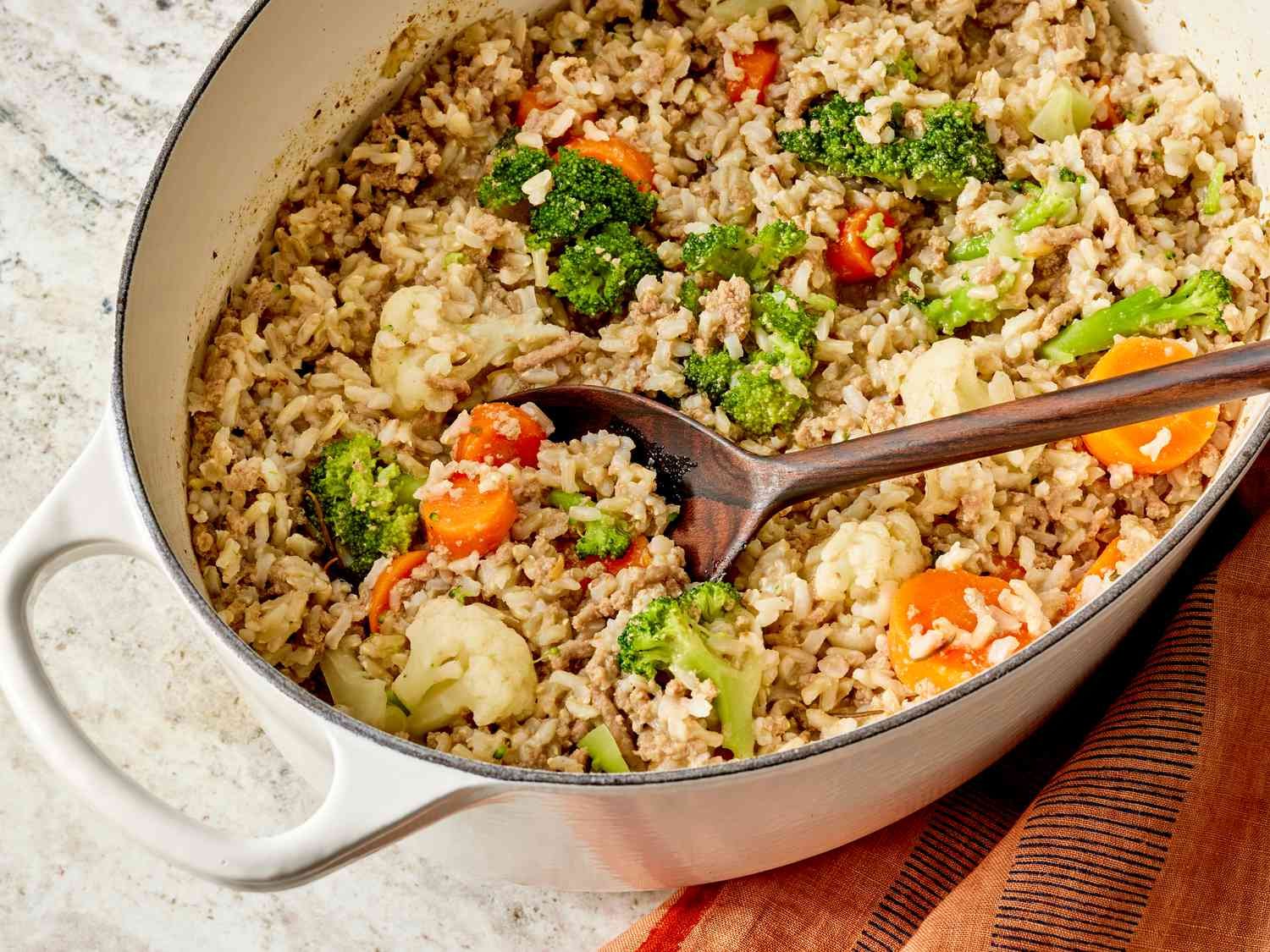
Small dogs may seem healthy even when nutrition problems are starting, so timing a vet consult correctly is very important. A visit is recommended in the following situations:
- Before choosing food for puppies, seniors, or dogs with chronic illness
- When considering raw, home‑cooked, or very high‑protein diets
- If there is weight change, itching, digestive upset, or low energy after a food switch
- Before using supplements or “all‑in‑one” powders
A short nutrition check at regular wellness exams helps confirm that the chosen food really matches a small dog’s age, health, and lifestyle.
Signs your dog’s diet needs a review
A small dog’s diet may need a review when daily patterns change without a clear reason. Warning signs include loose stool or constipation, frequent gas, vomiting, or a suddenly noisy stomach. Dull coat, flaky skin, or new itchiness can also signal poor nutrition or intolerance.
Low energy, sudden hyperactivity, or noticeable weight gain or loss despite normal portions are important clues. Refusing food, becoming fussy with a food that was once loved, or excessive thirst should also prompt a check of the current diet and a consultation with a veterinarian.
Questions to bring to the clinic
Before a vet visit, preparing clear questions helps use time efficiently. Consider bringing:
- Is my small dog at a healthy weight and body condition?
- Is the current food appropriate for age, size, and activity level?
- How many calories and grams/cups should be fed per day?
- Should the dog be on a special diet (allergies, kidney, joint, dental, urinary)?
- Are there ingredients or supplements that should be avoided?
- How quickly and safely can food be changed if needed?
- What signs would require an urgent diet recheck or bloodwork?
Preparing photos of stool, the food label, and a 1–2 week feeding diary allows the vet to give more precise, personalized advice.
This article clearly explains how to choose dog food suitable for small-breed dogs and what to watch out for, organized by life stage: puppy, adult, and senior. It also introduces nine carefully selected recommended products. Covering everything from how to read labels and determine the right feeding amount to obesity prevention, safety, and cost performance, this article serves as a comprehensive guide to help you find the “best bowl” for your dog.






![[Additive-free is popular] 5 recommended Japanese dog foods!](https://with-my-dog.com/wp-content/uploads/2022/07/image4-7-150x150.png)


![[Shiba Inu] Why does he get angry when you touch his food bowl? Here are the reasons and three solutions](https://with-my-dog.com/wp-content/uploads/2022/07/image2-15-150x150.jpg)